Spoilers for Lupin III: The Castle of Cagliostro. TL:DR, Go see it, it's a classic.
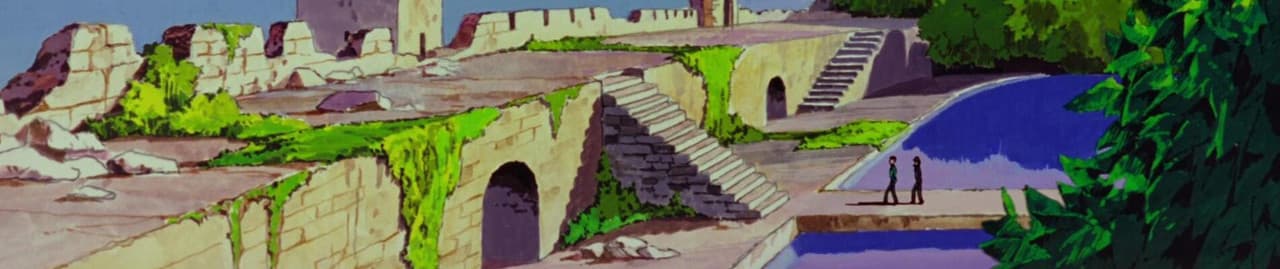
I had previously watched The Castle of Cagliostro when I was getting really into Lupin III a few years back. At the time I found it to be a fun film, but it felt a bit different from other films/ TV shows in the franchise. This is in retrospect undoubtedly due to the influence of future Studio Ghibli director Hayao Miyazaki making Cagliostro his debut film, in which his artistic tendencies already begin to seep through into the film. The lush backgrounds, the quieter moments, the grinding mechanical segments, etc. Such an interpretation is not unwelcome, just perhaps unusual for a normally rather goofy series.
The film has become somewhat iconic for its influence on future Lupin media, and for good reason; there are some really good bits in here. Yuji Ohno's jazz-synth soundtrack is still fantastic, and the action scenes are wonderfully choreographed and realized. One thing that really impressed me on the second watch-around was how complex some of the animation sequences were. The clock-tower segment in particular, with all of its simultaneous moving parts, is a really impressive sight to behold, especially for a film released in 1979.
_Cagliostro _ is pretty cartoony, and it's best not to think too hard about the logic of it all to have fun with it; in my opinion that's kind of the optimal way to watch Lupin. The mystery of the Castle is fun to uncover, and the interactions between Lupin and Clarisse are sweet; if only in an overly simplified "hero and damsel" kind of way. The second act of the film does drag a bit, but I feel it is made up for by the third where there's much more action. Goemon doesn't get a lot of screentime, but Zenigata has a pretty entertaining part in this one. As you'd expect he eventually comes around to be a begrudging ally and has an interesting micro-plot involving having to cut through the bureaucracy at Interpol. I also liked how badass Fujiko was in Cagliostro; especially at the end when she's straight up throwing grenades and whacking people with wrenches.
I typically try not to think to hard about the greater themes in Lupin films since I'm mostly just there for a fun ride, but if I had to guess for a major idea from Cagliostro, it would be the value of freedom, if just in a vague sense. After all, Lupin is there to save Clarisse from being forced into a marriage she doesn't want and to let her live her own life. When Clarisse asks to join Lupin at the end of the film, he knows that she would just be transferring herself from the Count's desired life for her to his, and he refuses so that she can make her own choice. The Count himself is primarily motivated by greed, but the existence of the counterfeiting ring is predicated on gaining control of other places through dark money, and executing those who attempt to trace it. Cagliostro therefore seems to argue that just as one person should not attempt to control the life of another, neither should one nation attempt to control the politics of another.
This viewing experience was unique; this was the first time I watched an anime with a friend (it's why I don't have any screenshots for this review). She had never seen a Lupin property before and it was really fun to hear her thoughts on it, and for me to geek out on the trivia about the series. Her excitement or shock with certain moments really put into perspective how the initial viewing of a film is so vastly different from one you've seen before. One thing she liked a lot that I hadn't thought about was the film's atmosphere; from the castle towns to the internals of the clock tower. Indeed, Miyazaki's sense of place really comes through in the film, and until hearing her say it and looking closer at the lushly drawn backgrounds did I start to feel ingrained in the world the animation was trying to show me.
It was a lot of fun to watch Cagliostro again, especially with my friend! I was smiling the whole way. It's a classic for a reason. Go see it if you haven't already!
31 out of 31 users liked this review
