Background on me
In a vacuum, Dr. Ameku ticks so many of my boxes for my personal interests. The medical aspect is super engaging for me as someone who is a former pre-med and is still working in biomedical science. As well I love detective stories and try to watch all that release each season. Needless to say, I really wanted Dr. Ameku to be great but I think it falls short of that as I’ll lay out in this review.
Animation/Visual style
The visual style is nothing special, with functional animation lacking a lot of flair. The most notable visual element is the closeups of moving objects like Dr. Ameku's record player used occasionally, which are a good mixup. I saw a lot of complaints online about long pans during dialogue scenes, but they didn’t personally stick out to me. This may be because I was focused on reading subtitles and thinking through the mystery and it probably is more apparent to a Japanese or dubbed viewer.
Plot and mysteries:
First of all, there isn’t an overarching plot to Dr. Ameku which is typical of the detective genre and fine. I personally prefer when there’s a loose connection between cases or something overarching to chase after but it’s all a matter of opinion. However, I will note that they also lack any overarching theme or analysis across the cases which I think is a missed opportunity to add depth.
The lack of consistency alluded to earlier is one of my largest issues with the show and it can be seen in their quality and topic choice. It gyrates between house-style in-hospital medical mysteries and out-of-hospital detective dramas with a medical flair. I think in a vacuum this is a cool idea to add variety to the series, but it often feels like the two concepts are crowding themselves out and one has to take the backseat. As far as the writing of the Mysteries, they range from very simple to decently fleshed out, which can create a weird mental feeling. This becomes especially frustrating when they show an easy clue repeatedly on screen far after the point where the audience has got the idea. This choice in certain scenes is made even more odd by how the show is at other times extremely good at subtly conveying medical information through body language or a well-indicated background detail. This feels great when you notice it before the reveal and can gloat to yourself that you put that together.
Character Design:
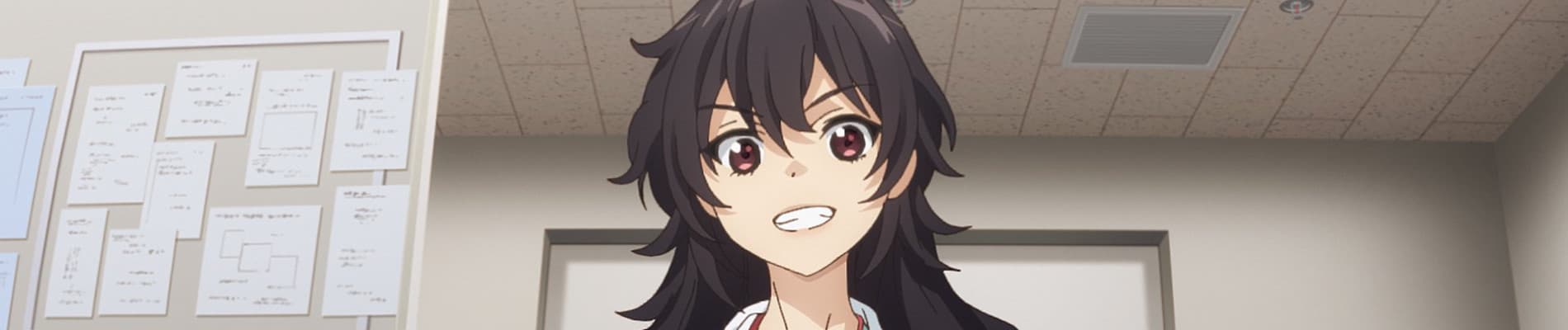
The character design doesn't stand out, like the animation, with the exception of Dr. Ameku who feels unique and vibrant compared to the rest of the cast. The other standout is the Columbo-looking detective who I can’t help but really enjoy. There are some clashing designs such as a doctor in the last mystery with strange massive eyes but it's not common.
Characters:
Side characters have their motivations plausably shown but I didn’t find myself compelled by their stories. They do a passable job of giving contextualizing the case but it's usually nothing more. Of the main cast, Dr. Ameku is by far the most interesting, with her inability to control her emotions and tsundere demeanor. I really wish the show had spent more time giving her opportunities to display this because it's a very strong aspect and is fun to watch. Her aide Kotori works as a narrative device and as a straight man but is often flat. His biggest hits come from how he changes a little bit over the series and whenever there is relational tension with Dr. Ameku. Like Dr. Ameku's emotions, I wish they had developed their relationship a bit more actively as I think there is some interesting potential for tension in his caretaker vs student vs romantic (?) dynamic.
Treatment of women/minorities:
The depiction of autism is very engaging and conveys an interesting dynamic but is undercut by how Dr. Ameku is infantilized. She's depicted struggling to engage with social dynamics, sitting strangely, failing to sit still, and having issues interacting with others. This part is really good even especially when she talks about how her struggles make her feel. However, at the same time, it's made fraught by the choice to depict a 27-year-old woman as looking like a child. It unfortunately feeds into the long history of high-functioning autistic and women people being treated like they aren’t adults. I find this difficult to get a pulse on because this “moe” aspect is part of the reason a lot of people come to shows like Dr. Ameku, but it often makes me pretty uncomfortable. It’s possible this is an intentional decision to pair her “childlike” actions with a more suiting form but if that’s the case I think it’s a bit of a cop-out. To me, it would be more intellectually interesting to see the discontinuity of Dr. Ameku’s actions in an adult body as done for male genius detectives.
As far as everyone else, other women are all portrayed in a strictly average way with all the positives and negatives of normal Japanese societal expectations.
Conclusion:
In conclusion, Dr. Ameku is a series with a very interesting premise that often falls short of its potential. For people who like mysteries and medicine stories, this is a must-watch only because you are unlikely to find anything else like it. However, for everyone else I find this to be a much harder show to recommend and I’m going to leave my final score as a 7/10.
19.5 out of 26 users liked this review