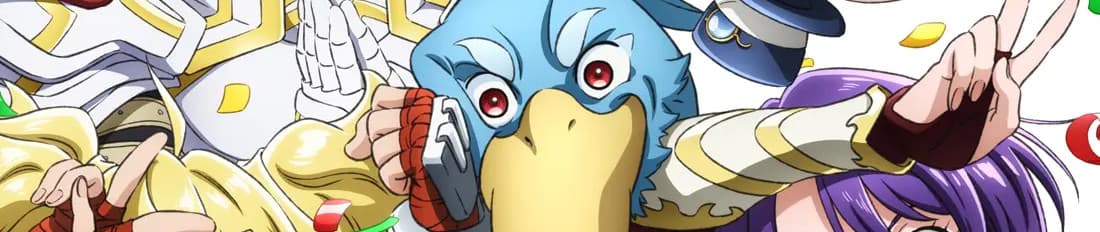
Shangri-La Frontier Season 2 suffers from serious pacing issues that seem to stem from poor story structure rather than flaws in the source material.
The season starts slowly with Sunraku searching for the magical amplification unit he needed in Season 1 to power up the loot from the Weathamon fight. It then shifts to him playing another game, where he meets players who have information on one of the remaining colossi. Up to that point, the plot progression is a little slow and lacking a clear goal, but overall still serviceable - even though the robot game’s battles, despite decent CGI, fail to leave a lasting impression.
Once Sunraku logs back into SLF, however, the story devolves into a series of events that constantly interrupt one another, robbing the narrative of any breathing room. For instance, while en route to meet the players from the other game, he stumbles upon another enticing quest hook for a different colossus. Later, during his pursuit of the original colossus, he’s forced to help Katsu recruit players for yet another game after his team falls ill before a crucial tournament. These constant diversions, including Sunraku perpetually, but briefly returning to SLF, destroy the impact of the climax and severely diminish viewer engagement. Binge-watching might mitigate the frustration, but waiting a week between episodes - only to have unresolved plot points pile up - proves to be a major detriment.
Beyond the subpar plot progression, the season remains mediocre overall. It attempts to appeal to a broad audience by touching on various themes but ends up feeling too shallow. Early in the season, there’s a brief exploration of SLF’s guilds reacting to a trio of underdogs defeating a colossus, but this subplot is handled superficially. Similarly, the gaming tournament arc is clearly designed to introduce challenge, stakes, and human conflict - something lacking in SLF’s focus on PvE gameplay - also fails to drive up engagement.
The fight scenes, which were a highlight in Season 1, remain above average but lack the captivating spark they once had. This diminished impact is likely due to both the series’ waning novelty and the nature of the battles. Many confrontations now pit Sunraku against enormous non-human beasts- fights that lack the dynamic choreography of humanoid battles. Additionally, the heavy reliance on CGI for major monsters, like the underwhelming crystal scorpions, doesn’t inspire the same level of engagement as hand-drawn sequences, even when equally well-executed.
One of my personal favorite aspects of Shangri-La Frontier is its relatively realistic portrayal of game mechanics - a rarity among gaming-themed anime. This season introduces a comic-themed hero-brawler, likely inspired by Marvel or DC games, where gameplay hinges on influencing the game world based on your character’s alignment (villains earn points for evil actions, heroes for good ones). While this concept offers a refreshing and to some extend functional alternative to the ubiquitous wave mechanics found in many modern games in the real world, it ultimately can’t compensate for a plot that fails to captivate.
76.5 out of 118 users liked this review