
MILD SPOILERS AHEAD
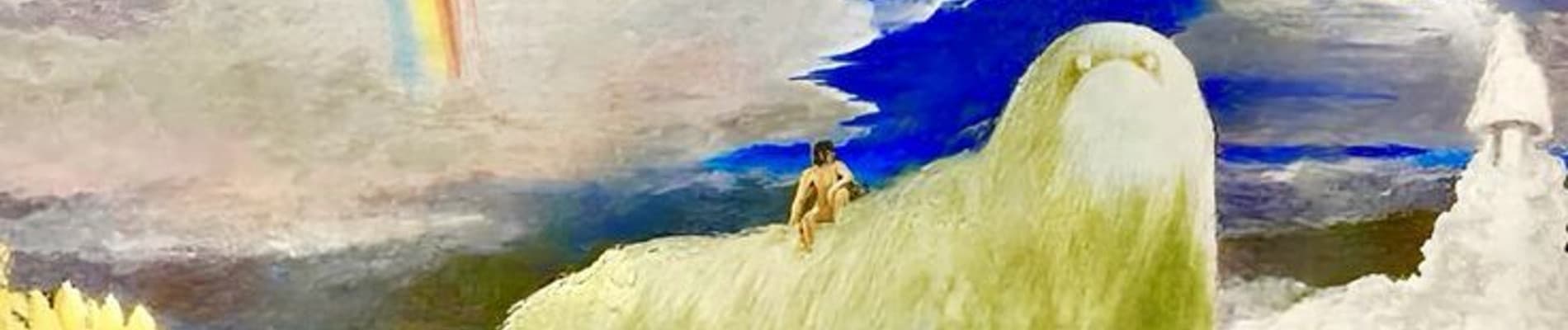
TWIM's structure is a little complicated to get into at first, as the series will jump around different events happening simultaneously or go back to retrace what happened in one of its many subplots. In essence, the story follows two constant narratives: one about two men, Toshi and Mon, wreaking havoc across Japan via a series of terrorist attacks and violent killings, and the other about the hunt for a Kaijuu-like creature named Higumadon. The manga is incessantly cruel usually having 'morally good' characters get the short end of the stick on more than one occasion as opposed to the main duo who constantly avert conviction or punishment. The initial situation presented in TWIM escalates from a game of cat and mouse to the questioning of the world's governments' structures and their futility to respond accordingly to international crises.
If I could describe the kind of work TWIM is in one word it would be a 'farce'. Farce in the sense that it retains some degree of realism but presents improbable plot situations and exaggerated characters who extenuate said occurrences. Throughout the whole manga, we'll see the absolute media circus that's formed around the terrorist attacks and Higumadon's rampages, both equally concerning matters that only take prevalence over one another when they create more sound than the other. It's then that the series points out some of the most ridiculous aspects of society and that is the cult of personality formed around heinous individuals as it sees ToshiMon-mania rise to unimaginable levels as people see the actions of these terrorists as meaningful when in reality they operate on purely destructive tendencies. But in a way, they are also treated like a "fad", we see people wearing the cloak and teddy combo Mon wears, and we even see Higumadon merchandise by the end of the series. At one point a character mentions how it's like Higumadon and ToshiMon are in a race for the world's attention but we often cut to panels of the reactions of people during important events and guess what: they are following their day-to-day lives as normal, not even something THAT serious can put the world to a halt. Moreover, the government in the manga misses time and time again the chance to put a stop to the string of tragedies happening in Japan, they care more about keeping their positions and reputation so they'd rather wash their hand of any responsibility until detractors exercise their inalienable right to remain silent once the situation has grown too dangerous to exclaim about "rights!". You can feel the frustration the series wants to communicate as it progresses since it has this snowballing effect of things getting worse and worse, and the world's inaction weighing more and more.
The series gives you many character interactions and dialogue to chew on and some have certainly stuck with me ever since finishing the manga. At one point Toshi calls out another character's crying as "discriminatory" since he thinks the inherent compassion of human beings can only extend so much and questions if this person would even cry for crushed flowers or a ripped-up book which just tells you so much about him and the state of mind he's in. There's also Ijima, an important addition to the main cast since he's tasked with hunting down Higumadon, who says that the biggest weakness of human beings is being alive and describes killing as the struggle comprised of returning life to god. That is to say, the characterization is on point, every character has specific inner workings and convictions that make it so you get a sense of understanding what they are and aren't capable of doing.
The action is also great. It feels erratic and truly violent in a way that the "battle" series can't achieve. This is complemented by the art, which can look ugly at a glance but perfectly fits the tone of the series and the inherent ugly side these human characters display. The series also contains highly striking visuals. The typography of the title on the covers alone is excellent.

However, if I had to levy something against the series it would be that it can get pretty wordy at times which doesn't help if you already feel like it's soapboxing at you about the "real problems concerning the world". It's very cynical and can read as misanthropic at certain moments, what I said about how it punishes "morally good" characters extends to the lives of innocents on the hundreds. It's inherently fatalistic, coupled with the preachy nature of some of the "fate" and "destiny" dialogue present within the manga which I feel iffy about especially because it first established Mon as a force of nature that compelled a somewhat well-adjusted Toshi to abandon society and follow a destructive path to then elevate his status to a ridiculous degree by the end of the series, almost like a divine being. I could wrap my head around the ideas the story was throwing at me but it doesn't mean I don't think they could've been worked on better, especially regarding the conclusion given to Higumadon and Toshi. This is either something you are going to hate or love.
