────୨ৎ──── Opening Thoughts ────୨ৎ────
There’s a weight that comes with finishing something like Attack on Titan. Years of investment, theory-crafting, emotional damage, and character growth all led to this, Special 2. And when I hit play, I didn’t know what I wanted. Closure? Catharsis? Justice? Maybe a final spark of hope? What I got was something quieter. Heavier. Not triumphant, not explosive. Just human. This wasn’t about winning or losing, it was about breaking the cycle. And for better or worse, Attack on Titan stuck the landing in a way only AoT could: beautifully tragic and painfully honest.
────୨ৎ──── Story ────୨ৎ────
This final chapter is the culmination of everything, from Shiganshina to Marley to the Rumbling. The alliance faces Eren one last time, not just as a monster to stop, but as a friend they still grieve for. The plot is straightforward: stop the Founding Titan, save what remains of the world. But the heart of it is so much more than that.
Eren’s final vision isn’t one of domination or hatred, it’s one of inevitability. He chose this path because he believed there was no other way. In his eyes, the genocide was mercy. It was a twisted kindness, to make the world fear Paradis enough to leave it alone. And yet, when Armin confronts him in the Paths, Eren finally confesses: he didn’t know what he was doing. He was scared. He was angry. He wanted to be free. And that confession breaks everything.
The finale doesn’t revel in heroism. It shows the horror of war. Children dying. Sacrifices that feel meaningless. The haunting image of Eren, his head and spine detached, still alive as Armin drops a nuke on him. It’s brutal. Surreal. Unflinching. The aftermath doesn’t bring peace, either. Just pause. Paradis remains threatened. Mikasa buries Eren herself. The alliance returns home, unsure if they’ve saved anything at all.
And that final time skip? Paradis is bombed to dust. The cycle begins again.
────୨ৎ──── Characters ────୨ৎ────
The core cast is at their most vulnerable here.
Eren is no longer a god. Just a broken boy who wanted to save his friends, even if it meant becoming everything he hated. He doesn’t justify anything, he admits it. That’s what makes it hit harder. He never knew how to fix the world, so he tried to break it instead. It’s tragic, disturbing, and deeply human.
Mikasa is the emotional linchpin. She does what no one else can, she ends it. She kills Eren. Not out of hatred, but love. The kiss on his severed head? That image will live in anime history forever. She finally chose her own path… and it led her to the most heartbreaking goodbye.
Armin evolves into something greater than a strategist. He’s the soul of the story. His final talk with Eren is devastating, he’s angry, heartbroken, and yet, he still tries to understand. That’s who Armin is. The boy who always believed there was a better way, even when the world didn’t.
Levi, injured and weary, delivers on his final promise to Erwin. Watching him take down Zeke was poetic justice. He doesn’t get a grand speech, just quiet, tired resolve.
Reiner, Pieck, Jean, Connie, each gets their closure. They’re not forgiven by the world, but they carry the burden with dignity. Even Gabi and Falco, once just kids in this mess, become the next generation of hope… if hope still means anything.
────୨ৎ──── Visuals & Sound ────୨ৎ────
MAPPA went all out here. The animation is haunting, visceral, and fluid. The transformation sequences are grotesque in the best way. The final battle atop Eren’s skeletal Titan is chaotic and layered with emotion. Every frame carries weight.
That scene where Mikasa enters the Paths realm, then decapitates Eren? It's animated like a dream, surreal, beautiful, and violent. The juxtaposition of peace and brutality is masterful.
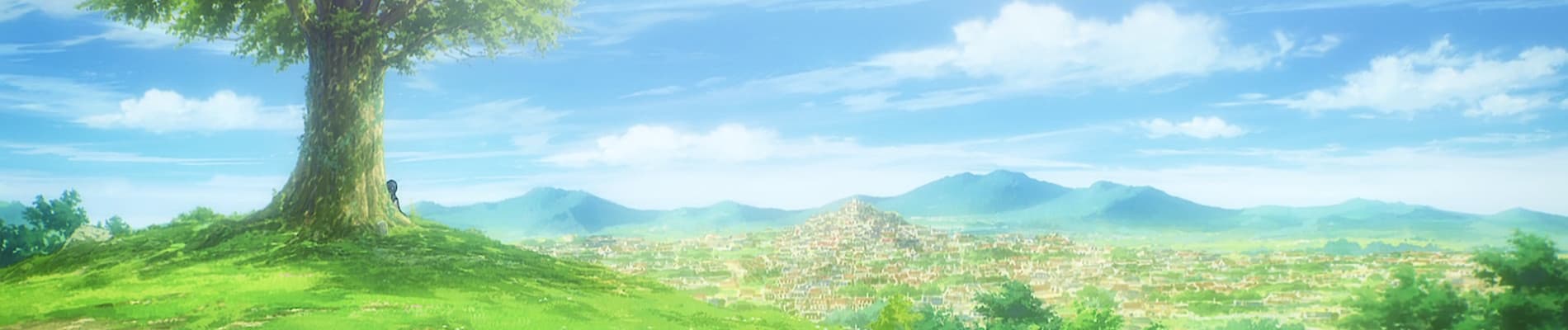
And the music… Sawano and Yamamoto delivered hard. “To You, in 2000 Years,” “Barricades,” and “Under the Tree” all make returns, remixed, haunting, and emotionally loaded. The soundtrack isn't background noise; it's storytelling. That one final insert song during Mikasa's farewell? A gut punch.
────୨ৎ──── Enjoyment & Pacing ────୨ৎ────
This wasn't “fun.” It was exhausting, devastating, and so worth it.
It flew by, but not in a flashy way, more like a fever dream where you’re begging for just one more minute, one more answer, one more breath before it ends. The pacing was deliberate, taking time to focus on grief, reflection, and memory. There were no wasted moments. Every silence felt earned.
I watched it in complete stillness. No multitasking. No snacks. Just staring at the screen like I was grieving someone real. And when the credits rolled? I didn’t move for a while.
────୨ৎ──── Final Thoughts ────୨ৎ────
This ending isn’t clean. It isn’t happy. It’s painful. It’s bitter. It leaves you with questions and scars, and that’s what makes it right. AoT never promised to be uplifting. It promised to be true to its world. And it was.
Could things have gone differently? Maybe. But that’s the tragedy. The world broke these characters before they had a chance. And yet, in that final choice, where Mikasa walks away, where Armin tries to speak peace, where Levi salutes one last time, there’s something close to hope.
It ends where it began. With love, with loss, and with the impossible price of freedom.
────୨ৎ──── Final Score ────୨ৎ────
Story: 9.5/10
Characters: 9.5/10
Visuals: 9.4/10
Enjoyment: 9.7/10
Overall: 9.5/10
23.5 out of 31 users liked this review
