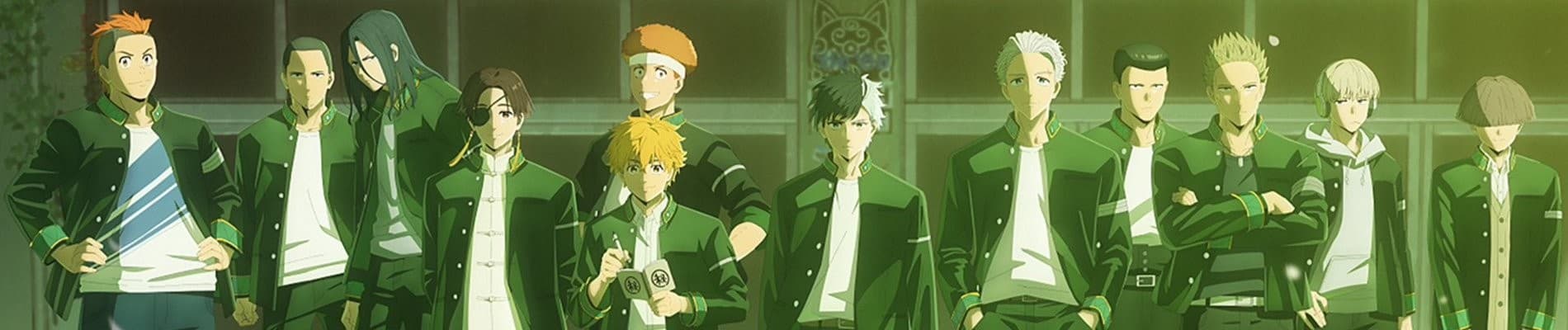
WIND BREAKER
a review by Darvilia
a review by Darvilia
En un panorama donde los animes de batallas adolescentes están cortados con el mismo molde (instituto problemático, chicos violentos con traumas y redención a base de puñetazos) Wind Breaker llega con la osadía de no reinventar nada, pero hacerlo todo con un ritmo y una honestidad que se agradecen.
La trama: Redención con el puño cerrado
La historia sigue a Haruka Sakura, un chaval con cara de pocos amigos, puños de piedra y cero habilidades sociales, que llega al instituto Furin con una idea clara: partir caras. Pero claro, aquí todos los macarras están ocupados siendo héroes locales, repartiendo justicia callejera y ayudando a ancianas a cruzar la calle entre pelea y pelea. El giro es simple pero efectivo: la violencia está canalizada hacia el bien.
Así empieza una especie de Yankee meets Boku no Hero con un poco de filosofía y muchas frases sobre "ser fuerte para proteger", "familia encontrada" y ese largo etcétera del shōnen emocional de manual. No es que sorprenda, pero la serie se toma en serio a sí misma justo lo suficiente para no volverse ridícula, y eso la salva.
Animación: Cuando el puño se siente
Aquí es donde Wind Breaker puntúa fuerte. CloverWorks le mete ganas, los combates se sienten sólidos, con impacto real, buenos encuadres y animación fluida sin recurrir al festival de luces baratas. Los efectos sonoros acompañan de maravilla, y el diseño de personajes aunque arquetípico tiene ese algo que los hace reconocibles.
Nada se siente especialmente original, pero todo está bien hecho, y en esta clase de animes eso es media victoria.
Personajes: Tópicos bien ejecutados
Haruka Sakura es el clásico solitario que se cree lobo, pero que en realidad solo necesita una manada que no le juzgue por su cara de psicópata. Su desarrollo es predecible, sí, pero está bien dosificado. El resto del reparto no se queda atrás: amigos carismáticos, rivales con código de honor, y esa constante sensación de que estás viendo una pandilla de buena gente con cara de matones. No ganarán premios por originalidad, pero caen bien.
Música y ambientación: Lo justo, sin florituras
La banda sonora hace su trabajo, sin lucirse demasiado. Ritmos urbanos, un poco de tensión en las peleas y openings/endings que suenan a playlist de chaval con sudadera rota que sueña con ser alguien. Ni molesta ni destaca, pero mantiene el tono.
Crítica final: ¿Vale la pena?
Wind Breaker no va a cambiar la historia del anime, ni falta que le hace. Es honesto en lo que ofrece: peleas con propósito, personajes con carisma y un mensaje simple pero funcional. A veces se pasa de melodramático con sus discursos sobre "la verdadera fuerza", y otras cae en la repetición de estructura (presentación del rival, pelea, respeto mutuo), pero nunca se siente deshonesto.
Es, en esencia, un shōnen de hostias con buen corazón, que no te insulta la inteligencia, aunque tampoco te reta. Wind Breaker es como una buena pelea entre colegas: intensa, con sentido, y al final te vas a casa con una sonrisa, aunque con la certeza de que no es algo que vayas a contar a tus nietos.

In a landscape where teen battle anime often follow the same tired blueprint—troubled schools, violent boys with trauma, and redemption via fistfights—Wind Breaker dares to do absolutely nothing new… but does it all with a rhythm and sincerity that’s oddly refreshing.
The Plot: Redemption With a Closed Fist
The story follows Haruka Sakura, a stone-faced loner with iron fists and the social skills of a brick, who transfers to Furin High with one goal: crack skulls. What he doesn’t expect is that all the delinquents at Furin are busy playing local heroes—doling out street justice and helping old ladies cross the road between beatdowns. The twist is simple but effective: violence channeled for good.
What unfolds is a kind of Yankee meets My Hero Academia blend, full of philosophy-lite and emotional shōnen mantras like “you have to be strong to protect,” and “found family.” It doesn’t reinvent the genre, but it takes itself just seriously enough to avoid cringe—and that’s what makes it work.
Animation: When the Punches Land
This is where Wind Breaker scores big. CloverWorks puts in real effort—fights feel weighty and grounded, framed well, and animated smoothly without relying on flashy visual overload. The sound design hits the right notes, and while the character designs lean into familiar tropes, there’s something distinctive about them that makes them stick.
It’s not groundbreaking, but it’s well-crafted—and in this genre, that’s half the battle.
Characters: Tropes Done Right
Haruka is your classic lone wolf who thinks he doesn’t need anyone, but deep down just wants a pack that won’t judge him for his murder-stare. His development is predictable, sure—but well-paced. The supporting cast holds their own too: charming friends, honorable rivals, and that comforting sense of watching a gang of soft-hearted thugs find their way. They won’t win awards for originality, but you’ll root for them anyway.
Music and Atmosphere: Nothing Fancy, But It Works
The soundtrack does its job without trying to steal the spotlight—urban beats, a bit of tension during fights, and openings/endings that sound like they came from a playlist curated by a hoodie-wearing teen dreaming of greatness. Nothing distracting, nothing standout—just on point.
Final Verdict: Is It Worth It?
Wind Breaker isn’t here to rewrite anime history—and it doesn’t need to. It’s honest about what it offers: fights with meaning, likable characters, and a simple but effective message. At times it leans a bit too hard into melodrama, and the formula gets repetitive (new rival, big fight, mutual respect), but it never feels fake.
At its core, it’s a good-hearted brawler that doesn’t insult your intelligence, even if it doesn’t challenge you either. Wind Breaker is like a solid street fight between friends—intense, meaningful, and you walk away smiling, even if it’s not the kind of story you’ll pass down to your grandkids.
12.5 out of 17 users liked this review
