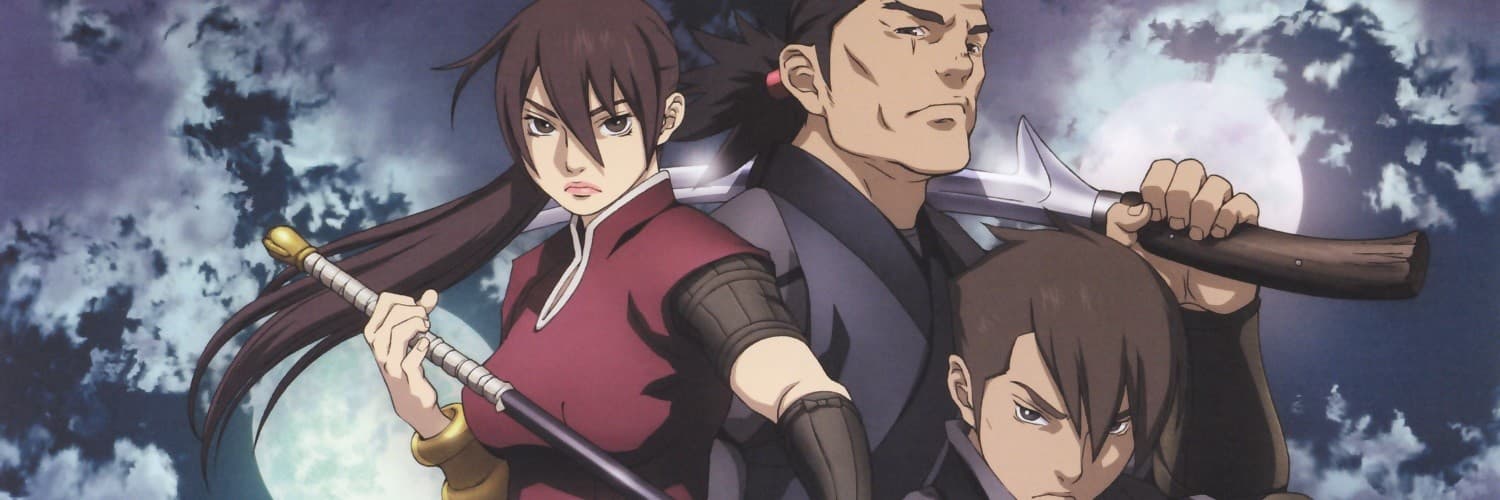
Moribito: Guardian of the Spirit is the kind of story that doesn't rush to impress. It simply exists—measured, thoughtful, and quietly powerful. It’s the kind of work that breathes slowly, like a living memory—one you don’t just watch, but walk alongside.
The animation is not about spectacle. It’s rooted in presence. The movement of water, the texture of cloth, the quiet stillness of mist—everything is rendered with a care that borders on reverence. It’s as if the world itself is alive and listening. There’s weight to every gesture, elegance in the mundane, and patience in how the camera lingers. The direction leans into that slowness, trusting silence and breath as much as dialogue and action. It evokes mood without manipulation, and emotion without insistence.
The voice acting mirrors this restraint. Every line is grounded, not performed. Balsa’s voice carries the fatigue of history—measured, resilient, but never hardened. Tanda’s is softer, laced with unsaid things, like someone who has learned to carry love without needing to be seen. Chagum’s growth is especially moving: his voice changes not just in pitch but in presence. You hear the child becoming something else—not because the world allows him to, but because he chooses to hold onto his self in a world that tries to write his future for him.
The soundtrack feels like it comes from beneath the soil. It doesn’t underscore emotion—it amplifies what’s already there. At times it disappears completely, letting silence speak. And when it returns, it returns like wind, like memory, like something older than words. It evokes myth not through grandeur, but through stillness.
Chagum’s arc is the quiet soul of the series. He enters the story burdened by what he represents—royalty, duty, destiny—but gradually begins to understand what it means to simply be. His transformation isn’t one of rebellion, but of grace. He learns not just how to survive, but how to carry truth without letting it break him. Watching him grow is like watching a seed push through stone—not in defiance, but in quiet insistence. He finds his voice not in loud resistance, but in becoming inwardly vast.
And through it all—never quite at the center, but always near—are Balsa and Tanda.
Their love is a quiet ache. It lives in everyday moments—a bowl of medicine prepared with care, a gaze held a beat too long, the silence after someone leaves but doesn’t say goodbye. There’s a softness between them, aged like wood polished by time. They don’t need to say what they feel. You know. It’s a love shaped not by declarations, but by continuity—by always being there, even when the world changes.
Moribito is a journey, yes—but not just across lands or through battles. It’s a journey inward. A story about healing that doesn’t offer clean resolutions. About duty that doesn’t harden the soul. About fate that doesn't crush, but invites reflection.
When it ends, there are no grand conclusions—only the sense that something sacred has passed through you. It’s not a story that tells you what to feel. It offers you silence, space, and depth—and asks only that you listen.
Some stories end. Moribito endures.
8 out of 8 users liked this review