Kaze Hikaru
a review by inukag
a review by inukag
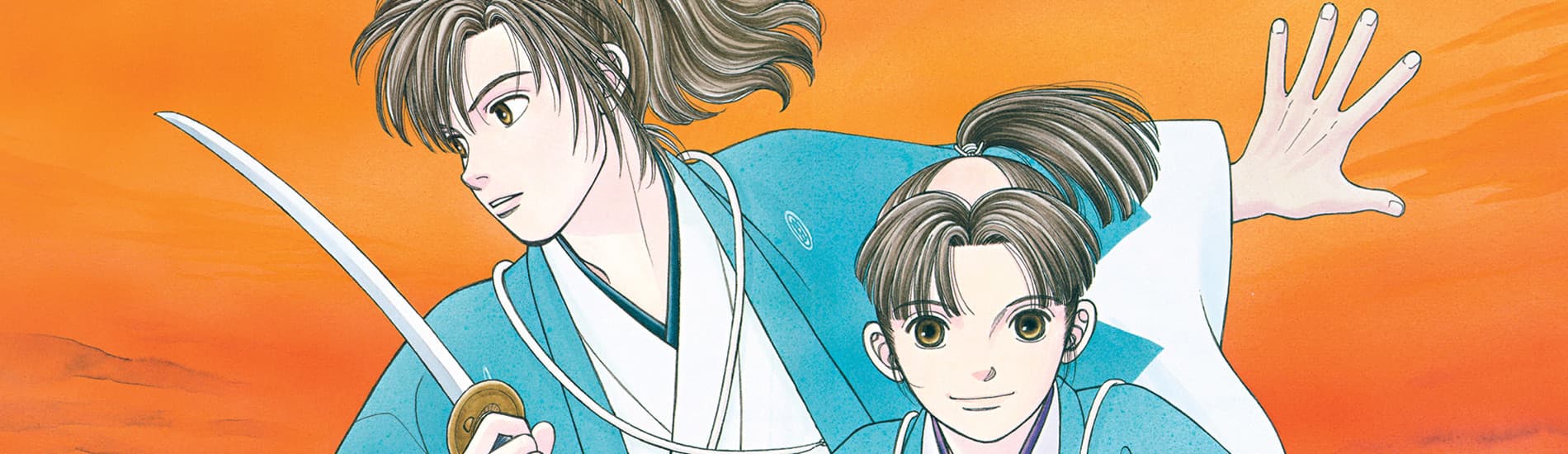
The charm of Kaze Hikaru is the slow burn romance, & seeing how Sei fares well in a male-domineering environment. I am glad that Sei reiterates that her being a girl doesn't matter as she can be a bushi on par with men, that she does not have to be what is expected of women in that time. Although I initially have qualms about her character as a bushi in the end still being revolved around a man, the good thing about KH is it dislodges heteronormativity. To Soji, and even to Saito, Sei's gender identity truly didn't matter much. There is also plentiful of iterations in the manga about normativities in sexual preferences, though mostly between men (I have read that sapphics were not much accorded the same way, sadly. And I have yet to read a sapphic manga occurring during the same era, please if you know some recommend them to me...), during Edo period.
Through Sei, we can see a lot of the constraining and dismantling the patriarchal gender structure as she climbs her way up to stand amongst Shinsengumi, which is domineered by mostly men. She has earned her way up and is seen as a bushi on equal footings- and even better than most. Through all these, she constantly hears and deals with archetypal misogyny and sexist remarks, how being Feeling and Emotive is considered as a "girly thing," and how she always has to grapple with herself by being "a man" because what she is doing is not "womanly" enough or what she is doing is still inadequate because she will always be a "woman" at the end of the day. This all falls on the rigid social dichotomy that is founded in patriarchy.
This manga doesn't weather down how barbaric this period can get, it instead reminds us many times that deaths were inevitable, no matter how unjust- people die and people kill. It's so bittersweet, yet it manages to keep a balance by showing us how there are found joys & bonds in their quotidian lives, which I really loved and stayed for. Love Kaze Hikaru for how unhurriedly progressive the characters are, how the story takes its time to venture into such a fractured era, & mostly how passionate the mangaka is to chronicle historical events. The author's comments are definitely one of the most helpful and engaging in sifting through information from Edo period.
Lastly, on Sei and Soji: a profound love that has a pressing desire to be selfish but resists that very selfishness & instead endures all that is fencing their togetherness for each other’s sake. They can’t find themselves to gather this selfishness (of wanting to be with each other as lovers) because they want their happiness more than anything… and that happiness is mirrored by their shared longing of being by each other's side.
Kaze Hikaru is nowhere near perfect, and I can totally understand that it's not for everyone- but it is still a wonderful manga that deserves more audience. Please read it and let's hope for a more consistent volume release (although I'm aware that the annual one-volume release is a huge reason why people don't read Kaze Hikaru).
9 out of 10 users liked this review
