20th Century Boys
a review by Nythos
a review by Nythos
20th Century Boys by Naoki Urasawa is a large-scale psychological thriller set across decades and perfectly amalgamating the nostalgia, paranoia, and science fiction genres into one coherent plot. It is one of the most ambitious mangas ever created, with its many thickly woven plot lines and underlying atmosphere of doom. It is true that it does not always stay as tense and sharp as it is at the beginning but its character, atmosphere, and themes make it a must read that will change the experience of a fan of the medium.
The most important thing in 20th Century Boys is adult nightmares of childhood dreams. It is smoke told about a former summoning of rocks and nowging convenience store manage Kenji Endo who must square off against a secret cult headed by a masked leader named only Friend. The mystery of a young girl finding an ancient image in a notebook of a kids, turns out to be a conspiracy involving the whole world, which starts in the late 1960s and implements the bad vision of what the future might feel and smell like. And it is this time-jumping format that Urasawa employs to reflect the idea that the past does not just give up on us as it echoes, mutates, and, in some occasions, comes back at us in the most horrifying manner.
The best thing about 20th Century Boys, however, is the way that it handles suspense. Urasawa can help make several timelines and characters converge and keep the reader excited and guessing. The initial arcs especially are propelled by an ever-present feeling of what the hell is happening win including a vague notion of what is really happening, but not in that confusing, cheap way. Rather, you get sucked in with how personal it all can be. It is not a tale of summoned heroes; it is about regular people whose childhood hopes and nightmares have been brought into life, and most of them gruesome.
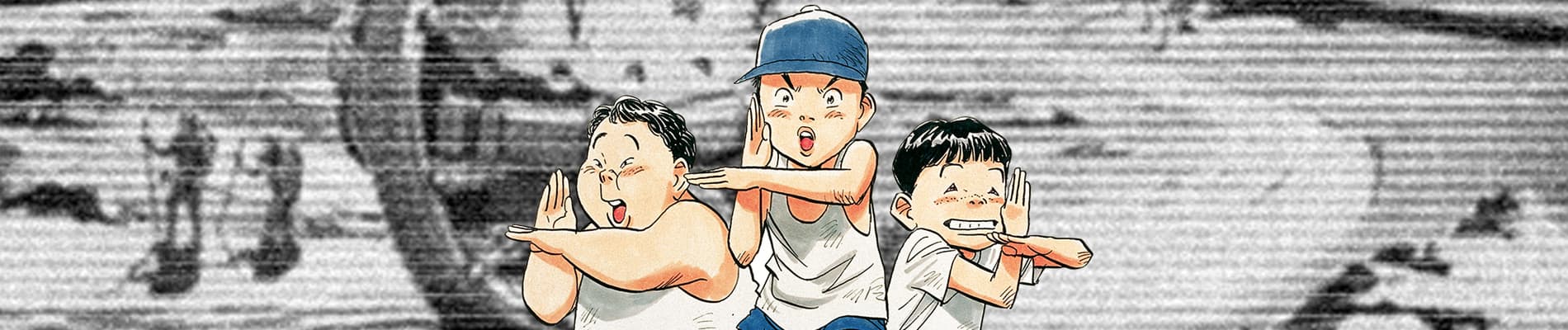
Another strong point is the writing of the characters. A protagonist: Kenji is probably the most relatable character in seinen manga not due to its exceptionalism but due to the lack of it. He is imperfect, terrified, and regrets. Even the secondary characters such as Otcho, Kanna, or even the younger iterations of the cast themselves are all the different and significant characters. Urasawa is a cinematic and expressive artist adding pathos to their adventures. He must have one of the best facial expressions and panel pacing in the medium, which often tell the story better than words ever could.
Thematically, 20th Century Boys deals with memory, cult psychology, identity, and consequences of unconstrained idealism. The comparison of an innocent world of children and a cynical world of adults is ever-present, even stifling. But behind it all is a hope, maybe it is the belief that no matter how bad things are, there is always someone, even a non exceptional person who can step up amd attempt to correct things.
Nevertheless, the manga is not flawless either. Pace changes do start to become a problem in the second part. Certain time leaps create confusion in the character outline and some plot twists, particularly as more time paths are added to the tale. There are some moments of revelation that drag on, and others that seem a bit flat simply because there is so much going on in the construction. The manga attempts to balance too many plot lines that some of them are bound to fall between the cracks. But still being bad, when there is a lapse of the emotional core.
As far as production goes, the artwork is always impressive. Vast background, exquisite touches of character emotions, and fluid perspectives ensure that each scene is appealing to the eye of the viewer due to the work of Urasawa. Be it a subtle childhood flashback or an overheated confrontation the art enhances the material.
To sum up, 20th Century Boys is a ghostly, gradually evolving epic which pays a reward to the patient reader. It is not all about explosive twists but more of the slow building sense of horror that indeed the monsters we most fear are built out of the things that we used to enjoy. The story is still one of the most memorable manga experiences you can have despite minor stumbles made by the narrative in the later acts because of its scope, passion, and craft. A casual suggestion to any reader who wants something exciting and poignant.

29.5 out of 30 users liked this review
