21st Century Boys
a review by Nythos
a review by Nythos
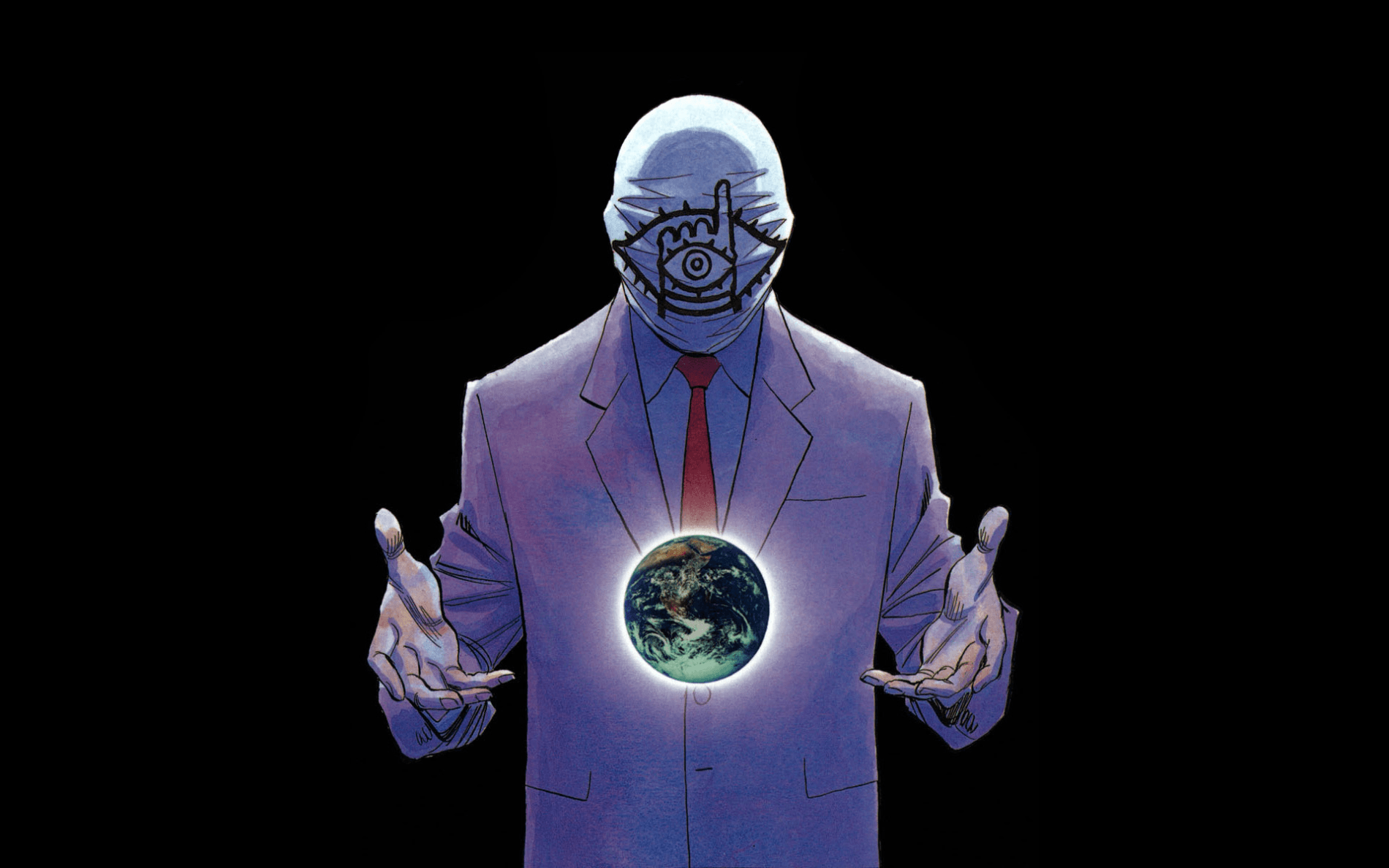
21st Century Boys is not a sequel in the conventional sense, it is a reflection, an accounting, and the emotional fallout of one of the most ambitious mystery stories in manga. Where 20th Century Boys was wild, cliff-hanger entangled, and narrowly suspenseful, 21st Century Boys lowers the intensity and opts to remember, close, and know. It is brief, understated, and mellow, yet not less effective. In most ways, it provides the emotional finale that was merely implied in the main series.
This last arc is not trying to raise the stakes. That is unnecessary. The global scenario already experienced events of near apocalypse, the characters already experienced years of trauma, and the unexplained entity of Friend has been demystified enough that the outline of a wound can be seen below. What Urasawa does in this case is much more human: he changes the focus off global effects onto the personal ones. Not only preventing a villain, but knowing him. Out of counteracting to confronting yourself.
The story takes one into the psychological life of Friend, the no longer respected enigmatic enemy, but a boy who wanted to be remembered, who wanted to be loved and wanted to count in the world which forgotten him. His villainy is tragic but not in the sense that it redeems him; but in a sense that it makes itself . It puts layers upon layers on top of all that we heard in 20th Century Boys and shows us to what extent the conflict was based on childhood delusion, loneliness and abandonment. What is the Manga rumbling when it asks the question: what when do our dreams become weapons? How destructive is that desire to matter?
Kenji has also become different. He comes back with more sharpness and is no longer the passive hero who is in the middle of the pandemonium. He is not even trying to save the world; he is trying to face the spirits of the past. He goes through memories, trips in the unvisited places and starts living with the scars that time- and lack of care- have engraved in him. His adventure in 21st Century Boys is not so noisy but significant. You do not have a boss fight. Rather than the reflection, regret, as well as above all else reconciliation.
This tonal change is observed perfectly in the art of Urasawa. No more are the big-eyed cliff hangers and the stressful panels. Rather, we are presented with slower cinematography, paces, and stillnesses of emotions. Close-ups are not empty, and silence is loud. It is no longer attempting to excite. It is attempting to mean something there at the edge of memory, at the edge of stories, and the people who end up falling through the cracks.
Where 20th Century Boys was something about the peril of unmoderated nostalgia and focusing on how one can ride the power of belief, 21st Century Boys is about healing. It is closure, not only of characters, but of the reader, too. It does not support all questions, but it supports the most significant ones. And by doing so it reminds us further how adept Urasawa is at combining both plot and philosophy, thill and contemplation.
It might lack the same explosive highs but it does not require these. It is a beautiful and sad conclusion of an epic tale. Not in a bang-but a memory.
31.5 out of 33 users liked this review
