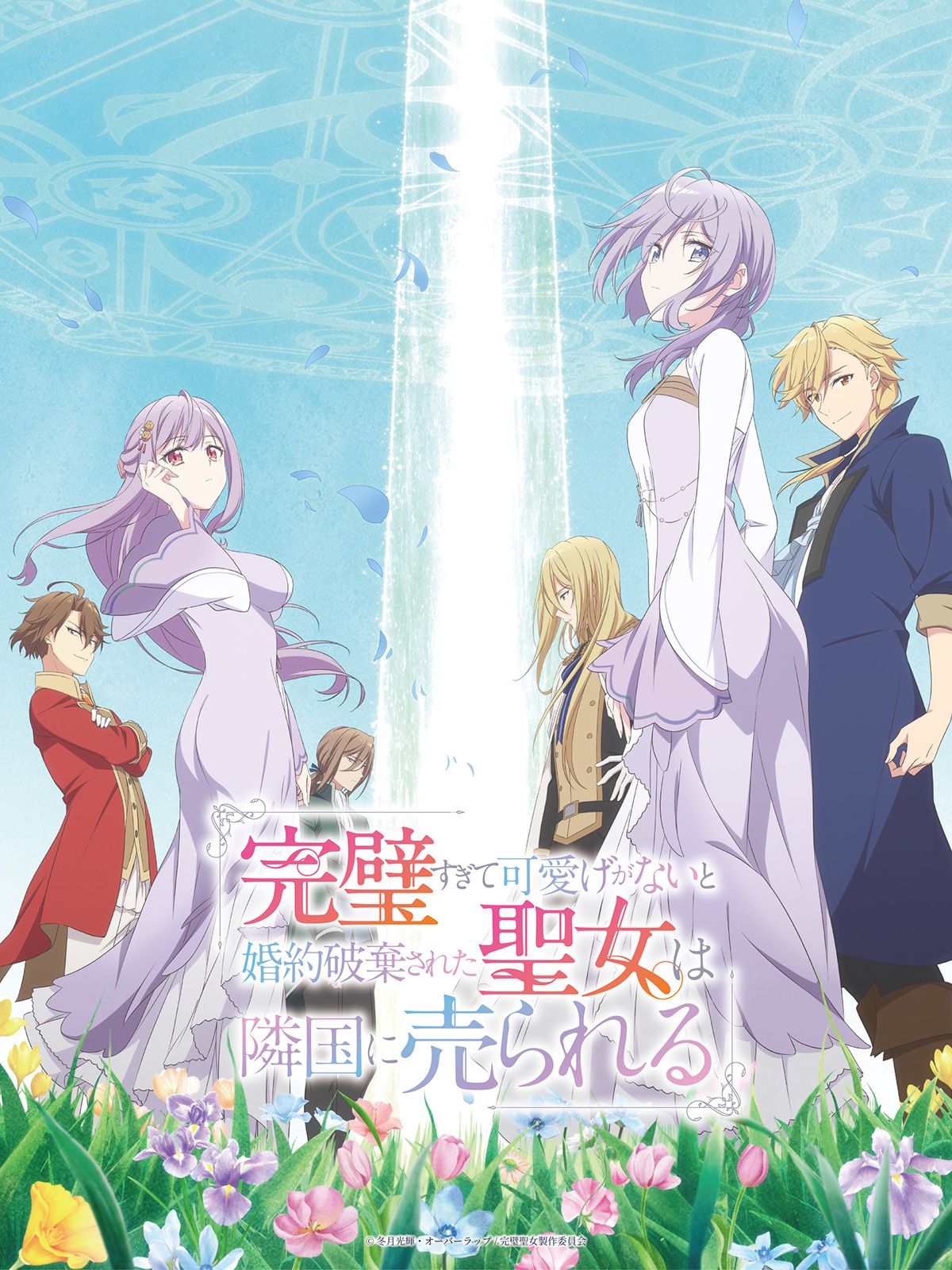
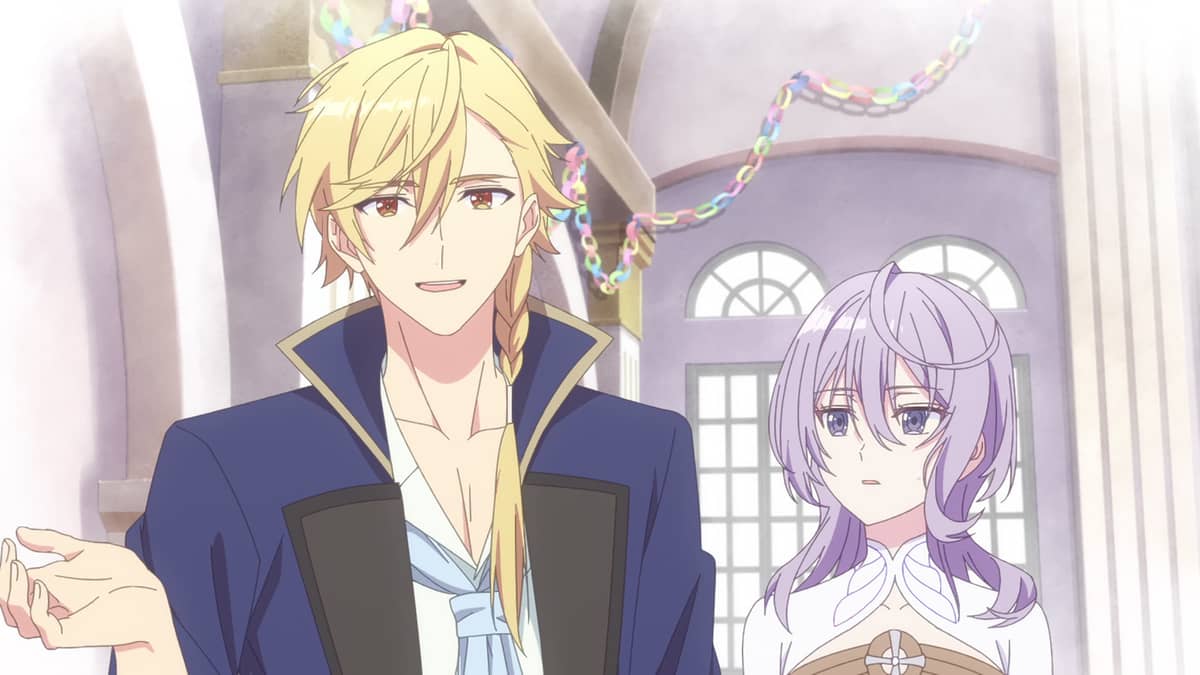
You’ve probably seen this storyline countless times, so much of the anime won’t feel particularly fresh. What sets this one apart, however, is the addition of the protagonist Philia’s younger sister, Mia. Normally in these types of stories, the little sister either contributes to the main character’s misery or is left on the sidelines. Here, Mia is neither, she’s central to the narrative.

Mia essentially serves as the series’ second protagonist, and her storyline is by far the most compelling. Her arc centers on seeking revenge against those responsible for her sister’s suffering while also working to protect the kingdom from looming threats. The suspense and tension in her plot are genuinely engaging, as we watch her carefully plan, manipulate, and grow. In fact, she undergoes the strongest character development in the series, evolving from a cheerful, trusting saint into a capable, determined one.

The production values are solid as well. The art is pleasant and the character designs are appealing. The opening and ending themes are also memorable, especially "Ai toka." by Riria, with visuals that complement the music beautifully, particularly in the ending sequence.

Unfortunately, this is where the praise ends. Although Philia is technically the main character, her storyline pales in comparison to Mia’s. After being sold to another kingdom, Philia struggles with the fact that everyone there in the new Kingdom likes her, forcing her to confront emotions and learn how to love. Unfortunately, this well-worn arc isn’t executed effectively, largely because her screen time is split with Mia’s. As a result, her romance with Prince Oswald feels rushed and unconvincing, lacking the buildup necessary to make their relationship believable.
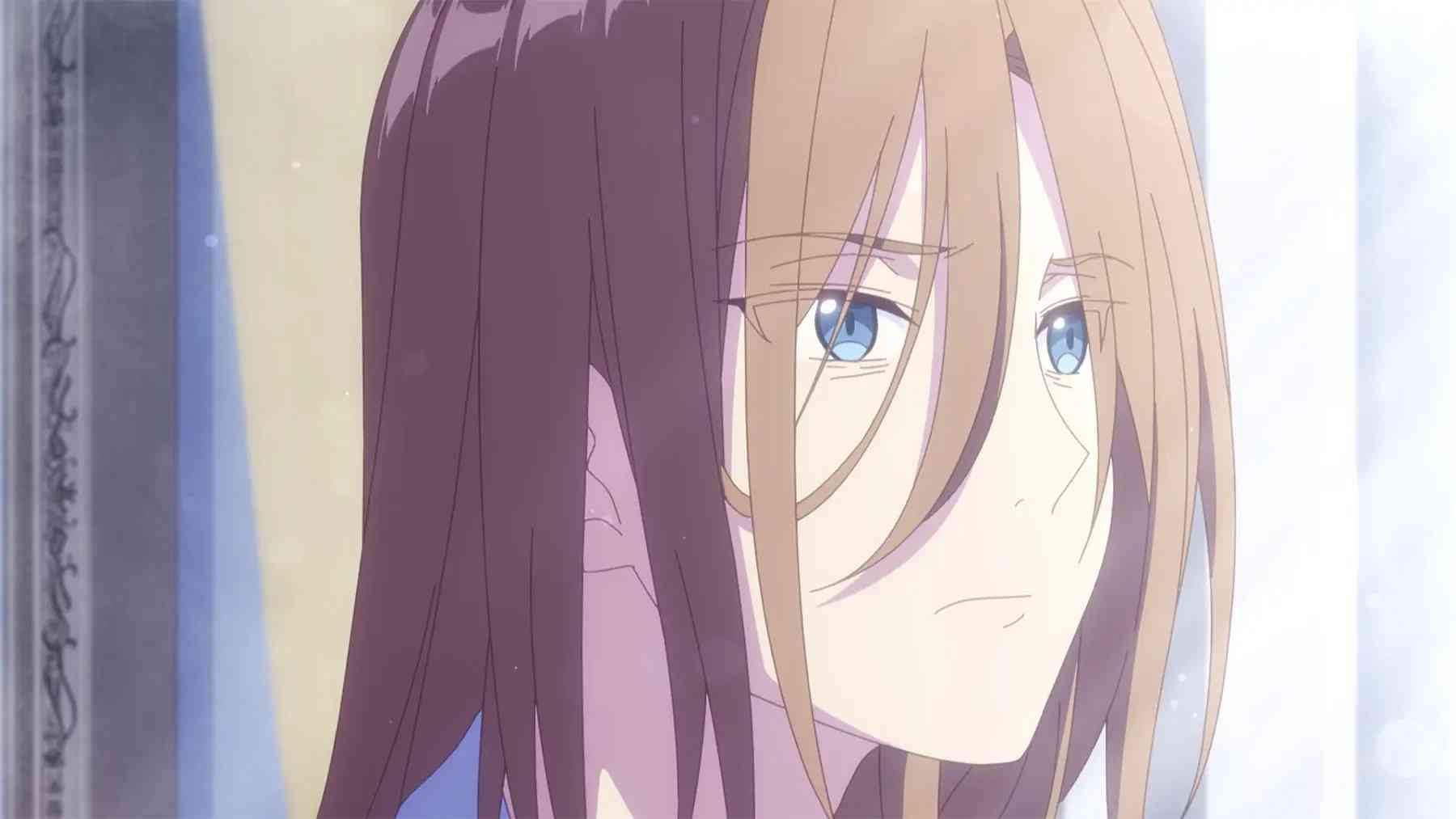
The pacing problems become especially glaring in the final few episodes. A major threat is suddenly introduced and then resolved with little buildup, creating a rushed and underwhelming conclusion.

The series also teases some interesting world-building elements: the exorcists and the Church, the community of saints, the demons, and even hints at other kingdoms. But none of these are explored in any meaningful way. For example, an exorcist appears midway through the series, but the show barely explains their role and how their group operates. What qualifies someone to become a saint? How does the saint community function? What do other kingdoms think of the demon threat? None of these questions are answered.
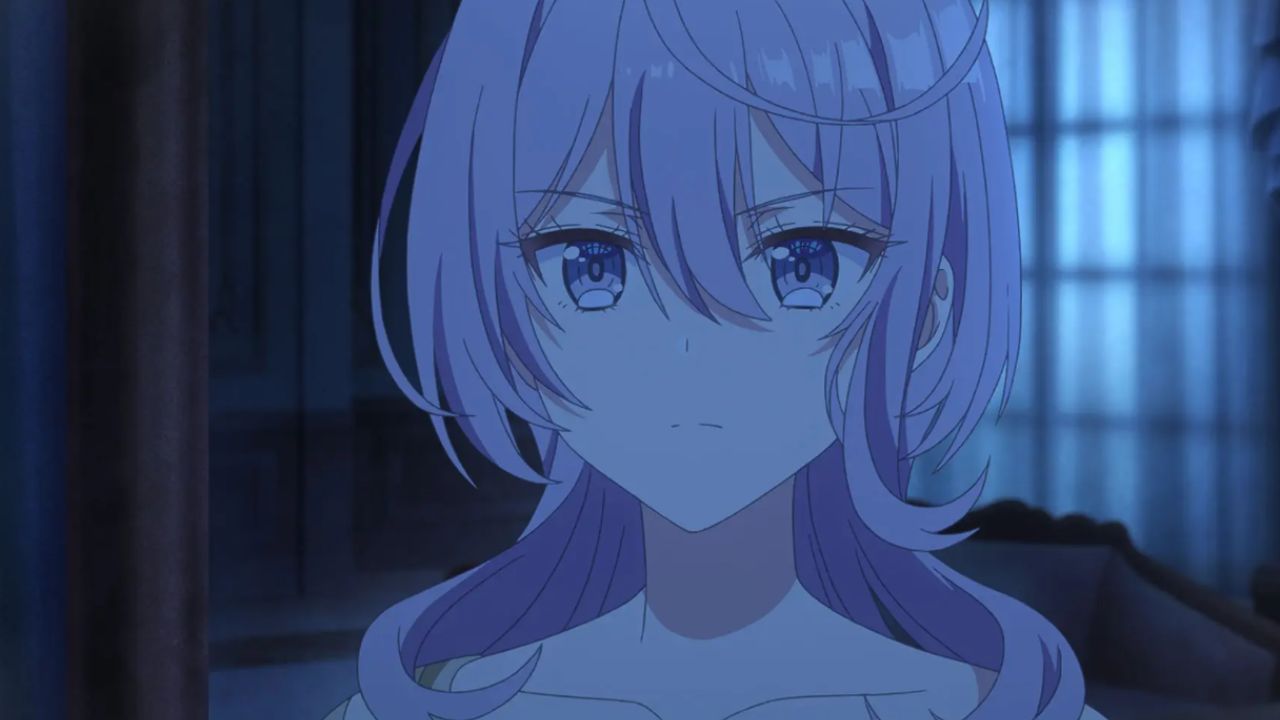
In the end, The Too-Perfect Saint isn’t terrible, but it isn’t memorable either. It doesn’t reinvent the genre, nor does it fully capitalize on its potential. While Mia’s storyline is strong enough to carry the show to some degree, the rest of the series settles for generic execution of tired tropes. There’s enjoyment to be found here, but it’s not an anime you’re likely to remember for long.

10 out of 11 users liked this review
