A performance is your entire life, every moment—and when that life ends, so does the story
Descending Stories: Showa Genroku Rakugo Shinju is not a rakugo anime, the art of telling humorous stories, in Japan--it is a massive human story, generation to generation, of whether to love, chase or not chase, and bear or bear not the burden of tradition. Hardly any series can so effortlessly incorporate art and personal tragedy, and even less have so haunting a grace.
The main character of the story is Yakumo Yurakutei VIII, a man who bases his whole life on rakugo but is filled with grief, guilt, and failure to accept his human nature. He is reflected and opposed by Sukeroku, his heedless and lustful counterpart whose style of rakugo is full of pleasure and improvisation. There exists a rivalry, admiration, and heartbreaking inevitability between them. Then layer on to this the inextricable nature of Miyokichi, whose affection and suffering echo throughout generations, and what you have is a story where everyone is imperfect and painfully authentic.
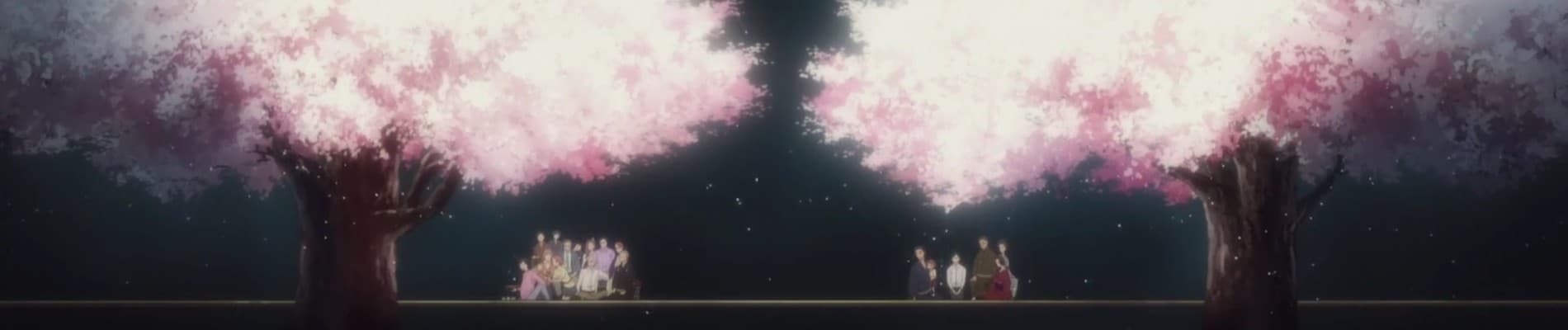
The animation is done in a dark but highly detailed palette that matches the sad, nostalgic aspects of post-war Japan. Little shifts in lighting and face expression bring out emotional hits--the coziness of a backstage scene or the coldness of grief. The show really speaks in these silent expressive images.
The best thing about this anime is that it takes rakugo not only as a performance, but as a description of life itself. Every narration presented on stage is a mirror of the soul of the narrator--the silent self-control of Yakumo, the energetic exuberance of Sukeroku, the strong spirit of Konatsu. The art form turns into a memory, grief, hope machine, which connects characters with each other through time. A rakugo performance in this series is a confession, an inheritance and a farewell rolled into one.
Visually, Studio Deen creates a muffled, near painterly look that befits the post-war Showa period. Shadows, stills, the slow pace reflects the rhythms of rakugo itself--the silent build-ups, bursts of bombastic catharsis. Even the voice acting deserves particular admiration; all inflections are filled with the closeness of a live performance, and the rakugo scenes are stunning in their authenticity.
It is not a drama where people want to be entertained at a high pace. Rather, it demands patience and this makes the viewers satisfied to have watched a human story which remains long after the closing of the final curtain. It investigates the ways traditions live on in those who practice them, the ways art lives on beyond those who make it, and how we cannot tell stories without living them. The last rakugo story to be told leaves the impression of being more of a funeral than a comedy.
Descending Stories is, in the end, an exploration of legacy--of how laughter and sorrow and memory come down through time like stories read on a stage. There is very little anime which manages to go above and beyond its medium and can be viewed as not being just dramatic but as a reflection on the nature of mortality and meaning. To the ears of those who are content to sit down and listen to it, it is truly memorable.
37.5 out of 38 users liked this review
