**SPOILERS IN REVIEW, YOU HAVE BEEN WARNED* *
BNA (apparently meaning Brand New Animal, go figure) on a surface level appeals to my viewer sensibilities. Eye-catching animation, a soundtrack by the legend mabanua, and a story that delves into the thematic depths of racial conflict, a bold discussion too rarely seen in anime of the current day. However, while the artistic elements impressed me, the narrative was less than desired and negatively conflicts with the series’ important core theme. But let's start with the positives first.
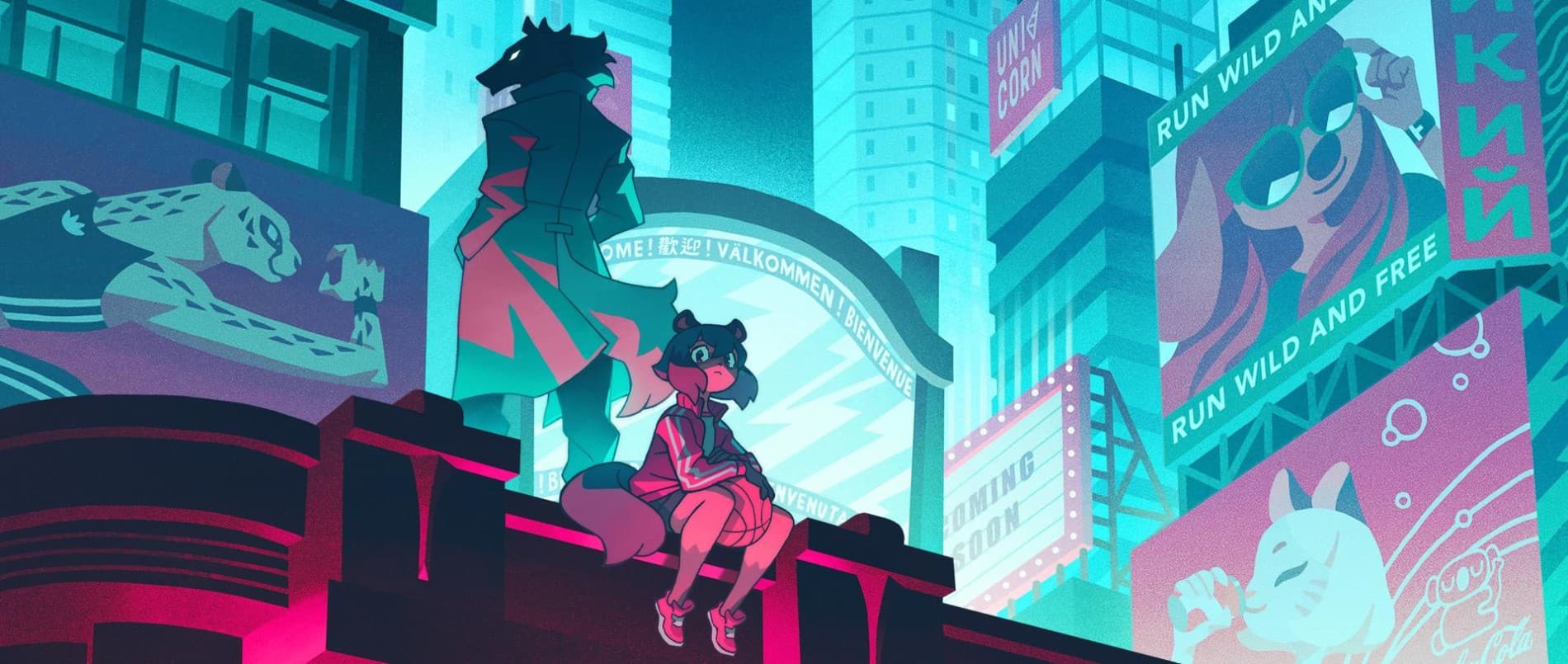
The animation is certainly one of Studio TRIGGER’s selling points, and this is certainly relevant to BNA’s art direction as well. Colour choice, linework, frames, and character designs, all scream for your attention due to their unique and engaging characteristics, poignant to the theme of the series, which I assume is by intention. While I am no expert on the visual arts, as a ‘casual’ viewer, it was a visual treat for the majority of the time. My only dislike would be fights that overrelied on constant explosions, flashing lights and stimulation sickening cuts. Perhaps personal preference in the arts for this point, but by the nature of reviews, it's all subjective regardless.
The other creative element that certainly delivered for me was the soundtrack. A mabanua soundtrack is always an auditory delight, and it is a true shame that he has done so few series, but I can be happy with the ones that exist. It’s certainly memorable and distinct enough from the Megalobox OST that it reaffirms my personal enjoyment for his work. My only point of criticism for the music was from time to time it felt inappropriate in utilisation with regard to what was happening on screen.
With the positive artistry acknowledged, let’s get to the fundamental issue with BNA, the narrative. To understand how the narrative conflicts with the primary theme so extensively, first we must identify what the message of the series is. Fortunately, BNA wears its heart of cultural acceptance and solidarity, beyond physical facades, on its sleeve. It’s a pertinent topic from a Japanese perspective, as they are one of the most homogenous cultures in the world, so an anime exploring this theme is certainly intriguing. What is clearly lacking is on the execution end and not the ideas one.
So then, how does the narrative conflict against its own theme? Typically when exploring race and different cultures in media, there is a certain delicacy in portraying cultures, especially when the point is to present acceptance and understanding. So how are beastmen portrayed? Consistently throughout the series, they are expressed and shown to be dangerous, which is a MASSIVE problem, as this essentially validates the human perspective, even if personally I would disagree with it on merit (brave, I know). Beastmen are often shown to be violent, uncontrollable criminals in a city rotting underneath the surface. And certainly while this is not every beastman, this essentially becomes the crux of the finale, as every beastman in their DNA is coded to become violent if they become too connected with other species. It can be considered on the theme that overcoming such an issue is the point of the show, but the actual resolution is awful in addressing this and feels unearned. The series finale is resolved by a) subduing the masses with religious fervour for the white wolf, which was shown to essentially be easy to manipulate throughout the series, and b) an Ultra-Bloodline-Purist-Eugenist-Super-Saiyan-Cerberus inadvertently creates the miracle cure and also does a crazy fight because it’s an anime and that needs to happen. The happy ending of allowing human integration into Anima-City makes sense from the theme of the show but ultimately feels unearned due to the events we see up until the end, clearly suggesting this is a bad idea.
BNA is not a bad series; it has heart, and that is a lot more than can be said about many other anime out there. But it is blatantly obvious that the theme was not properly expressed in the narrative, simply leaving a bad aftertaste on conclusion.
14 out of 18 users liked this review
