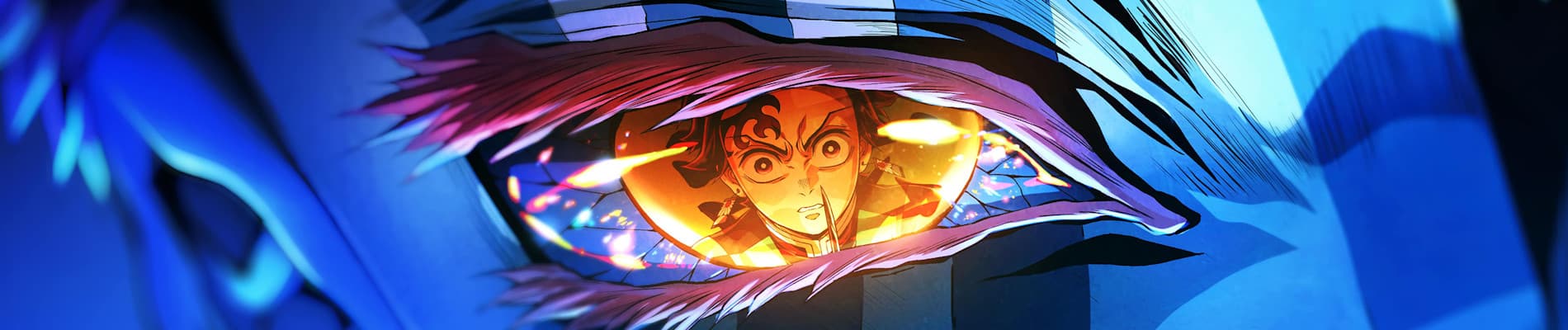
 Demon Slayer finally begins its climactic arc with this long-awaited film, and once again Ufotable proves why they are among the best animation studios in the industry. From the opening sequence, it is clear that the studio has spared no expense in crafting an experience that feels larger than life. The animation is not only fluid and breathtaking, but every frame seems to have been drawn with a painter’s precision. The Infinity Castle itself is a wonder to behold, its shifting architecture and impossible geometry create a setting that feels both mesmerizing and haunting. The sheer creativity of the visuals transforms the castle into more than just a backdrop; it becomes a character in its own right, constantly keeping the audience off balance and in awe.
The action set pieces are another standout, combining exhilarating pacing with choreography that feels meticulously designed. Every clash of swords, every burst of demonic power, and every frantic movement across the castle walls is executed with such care that it’s impossible not to be gripped by the spectacle. What makes these battles even more impactful is how character-driven they are. Each fight reflects the personalities, struggles, and emotions of the characters involved, grounding the action in something more meaningful than just flashy spectacle.
The emotional core of the film is just as strong as the visuals. The character moments hit hard, whether they’re moments of sacrifice, resilience, or grief. The soundtrack elevates these scenes beautifully, with swelling orchestral pieces that intensify the battles and softer, haunting melodies that lend weight to the quieter story beats. It’s a masterclass in how music can heighten storytelling, never overwhelming the scene but always enhancing its emotional resonance.
However, the film is not without flaws. Its structure becomes noticeably repetitive, which can drag down the otherwise intense pacing. Too often the formula plays out the same way: a battle erupts, the story shifts into an extended flashback for an Upper Demon, then transitions into a flashback for a Demon Slayer, before returning to the fight. While these backstories add depth and help humanize both the heroes and villains, their length sometimes undercuts the momentum of the action. At times, it feels as though the flashbacks hijack the battles, testing the audience’s patience when the tension should be building instead.
Additionally, being the first installment in a planned trilogy, the film doesn’t fully deliver a satisfying conclusion. While the stakes are high and the emotional investment pays off in many places, the story ultimately feels like it is pausing rather than pushing forward. The ending leaves viewers hanging in anticipation rather than offering a sense of resolution, which may frustrate some audiences who are hoping for a stronger narrative payoff.
Despite these shortcomings, Infinity Castle is still a triumph of spectacle and emotion. It is a visual and auditory feast that showcases just how far anime filmmaking has come, blending cutting-edge animation with heartfelt storytelling. For longtime Demon Slayer fans, it is an experience that will no doubt be unforgettable—a film that delivers on its promise of high-stakes battles, emotional resonance, and jaw-dropping artistry.


33 out of 39 users liked this review
