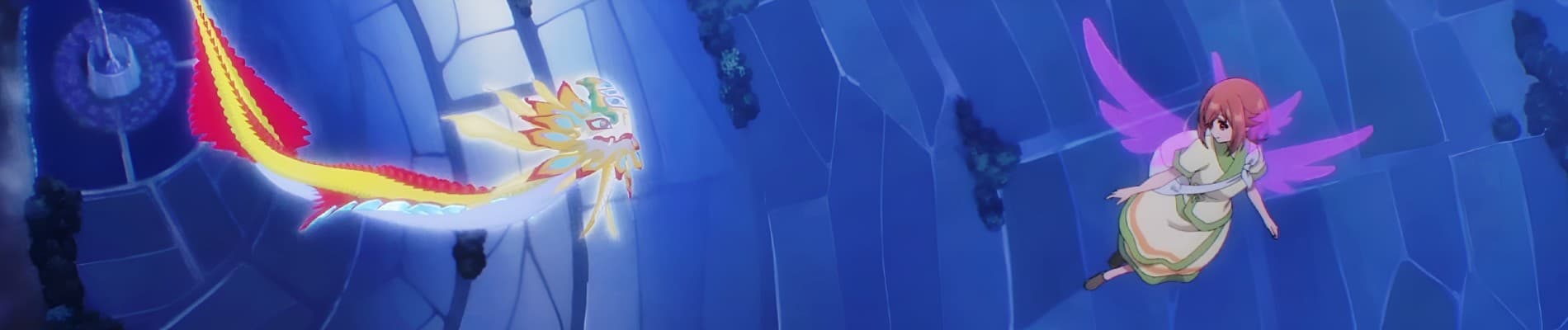
bâan: The Boundary of Adulthood is a short anime film created by Garnt “Gigguk” Maneetapho, a well-known figure in the anituber community. For context, Gigguk began his YouTube career in 2006 with Anime Zone, producing comedic anime reviews before branching into seasonal anime coverage. Over the years, his fast-paced style and humor made him a staple of anime commentary, and he later co-founded the podcast Trash Taste with fellow creators Joey “The Anime Man” Bizinger and Connor “CDawgVA” Colquhoun.
The film’s origins trace back to Gigguk’s inspiration from Shelter (2016), the short anime produced by Porter Robinson, Madeon, A-1 Pictures, and Crunchyroll. Motivated by its emotional impact, he pursued his own project, pitching his original idea to Kadokawa and then to Studio Daisy. GeeXPlus, the influencer agency he works with, produced the film—marking their first foray into anime production. Notably, Gigguk partially funded the project himself and clarified that he does not intend to expand it into a series.
Thematically, Gigguk has stated that bâan draws on his own struggles with cultural identity, belonging, and the concept of “home.” Having lived across multiple countries, he explained in an interview with Natalie that these experiences shaped his perspective, though he also leaned on feedback from his wife Sydney Poniewaz and industry veterans during development. The fictional world of Euthania was inspired by Thai folklore and Southeast Asian mythology.
On the production side, bâan brought together a noteworthy staff. Yoshimitsu Oohashi directed the film (known for Code Geass: Rozé of the Recapture and Kokkoku, with storyboard credits on Fullmetal Alchemist: Brotherhood). The score was composed by Kevin Penkin (Made in Abyss, Tower of God, Star Wars: Visions), while the screenplay was written by Megumi Hosaka in her debut role as screenwriter, with Gigguk credited for the original concept.
Strengths
To start on a positive note, the music is excellent—Penkin delivers another rich score that elevates scenes emotionally. The Japanese voice acting is strong as well, although the English dub falls flat (with particular criticism directed at Sydney Poniewaz’s performance, which feels amateurish). The sound design and mixing are polished, though the rest of the production can best be described as serviceable rather than standout.
Weaknesses
Unfortunately, the weaknesses are far more substantial. While marketed as a short film, bâan plays less like a complete story and more like a proof-of-concept reel. The pacing is rushed to the point of disorientation, cramming too much into its brief runtime without giving the audience time to connect with the characters or world. The editing is choppy, with abrupt transitions that undermine narrative flow.
The protagonist’s arc is especially confusing. One of the central characters—a boy who grows up to become an older man and adoptive father to the heroine—is initially framed as if his story unfolds alongside hers in the present. Only later does the film reveal that much of his journey occurred in the past. This structural choice is presented so clumsily that it creates more confusion than intrigue, leaving viewers detached from both him and the heroine.
Although the film includes lovingly crafted depictions of food—something Gigguk often highlights in his videos—these moments feel like filler rather than meaningful narrative devices. The script overall suffers from poor structure, weak characterization, and an anticlimactic resolution that leaves little emotional impact.
Final Thoughts
There are countless short animated films that maximize their limited runtime to create a unique, lasting experience. bâan, however, feels like a passion project weighed down by inexperience in screenwriting and production management. Despite the talent of the staff involved, the final product comes across as shallow and undercooked.
Ultimately, bâan: The Boundary of Adulthood is a forgettable animated short—competent in presentation but lacking in storytelling depth. It’s not the worst attempt at a creator-funded anime (*Misty Chronexia’s infamous “anime” still holds that title), but it’s a reminder that money and passion alone cannot replace the skill and vision required to craft a compelling story.
And yes, Gigguk—your anime is trash, and so are you.
54 out of 75 users liked this review