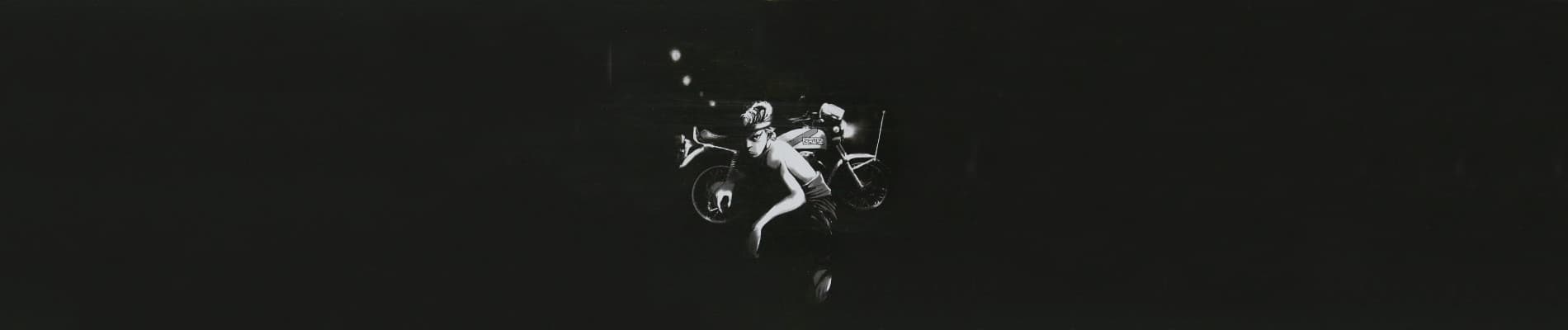
Bakuon Rettou
a review by Terajima
a review by Terajima
It could have been much more. The beginning is truly wonderful. We see the story of a boy who, as a teenager, begins drifting towards a bike gang to feel accepted integrated with his true self, with that feeling of having an unclear future, to just being in the street 24/7 to forget your troubles, your home and misfortunes.
Everything about this part is top-notch, from the atmosphere, Takashi Kaze's inner world, to the description of his reality and surroundings. It's truly poetic and touching; it feels like real life captured. Those walks at night, first loves, first experiences, that drive to be a man.
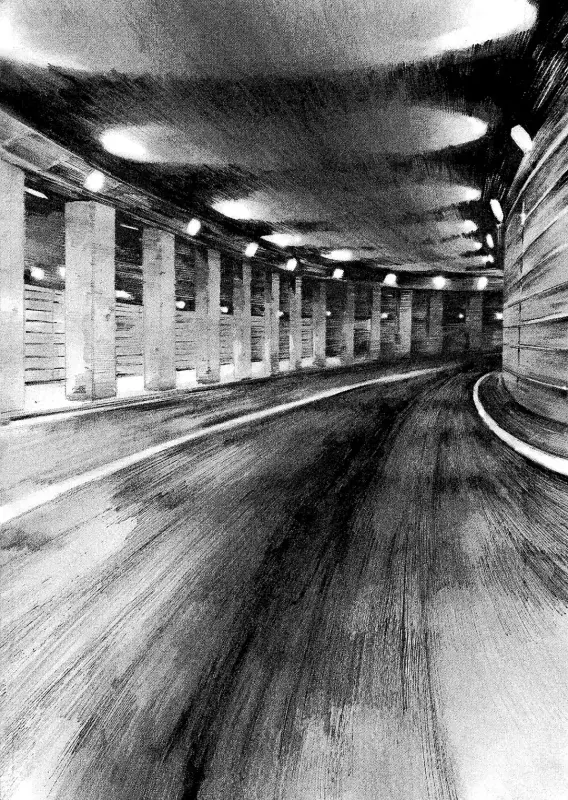
Love that part and its amazing drawings of urban landscapes, that tropical feeling at the same time with the palm trees, those nights, the lights, etc.
But as he progresses and becomes a member of the "gang", I gradually become less interested. I think his life within the gang isn't as interesting. Occasional reunions and motorcycle rides, but aside from those fleeting glimpses of freedom and fulfillment, what remains is a rather boring life, without much interest in terms of friendships, experiences, or love, it feels more like the life of stoner kids than delincuent life of teenagers that at the end is really diferent from this, in modern days world Kaze and his people live the life of the boys doing codein and playing videogames while going to home parties sometimes, not really interesting for me to read it, or to really associate this with juvenile delincuency.
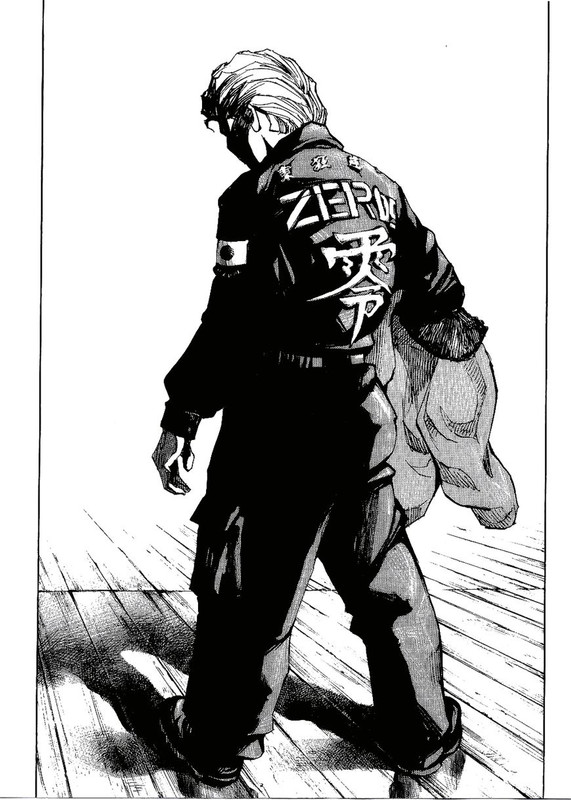
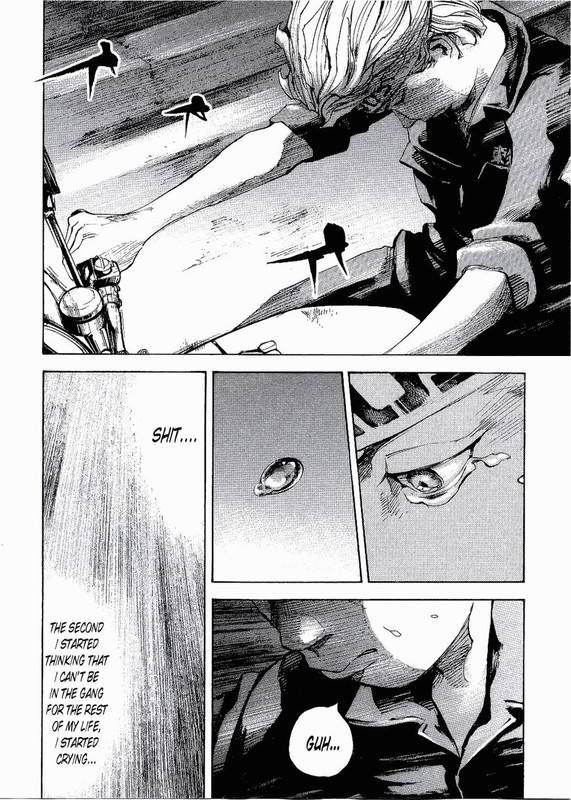
Luckily the final chapters fix this a bit because it goes really towards the initial idea of never really fitting in society. Much more so in countries like Japan, where this is already a very common idea in manga, movies, etc. Feeling like an outcast, that you'll never be able to connect with others, to knowing that to return to society you have to traison your true self. That creates that feeling of affection and understanding towards the boys who repeat your steps as at the end of this manga, the sympathy for the underdog. Also that conversation with the grandmother who doesn't judge Kaze, feeling like you fit in and not increasingly distancing yourself from the world and rebelling against it for never feeling really accepted.
Even if it's very good in many moments sadly for this so recurrent subject in japanese media at the end I don't think Bakuon Rettou is the best example you can find of its kind. 75/100
6.5 out of 7 users liked this review
