Chainsaw Man is so brutally deceptive that this is its great and silent trick. The series, at first glance, is just another blood-smeared spectacle, a circus of chains, entrails and volume-cranked violence. But, after all, at its most sincere it has nothing to do with any greatness of battle at all, but a boy who has been so crippled by the very idea of life that he cannot even figure out the simplest rules of love-making. Denji is not merely a chainsaw-headed demon killer, he is a child who is denied a childhood, who falls into a 21st-century world of glowing fluorescent lights, where he cannot in any way make sense of the promises that lie before him.
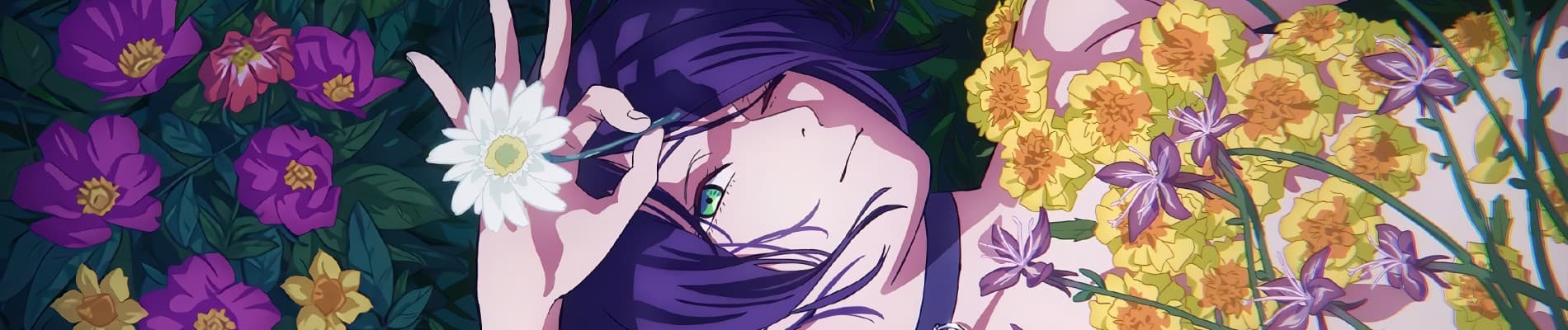
This is why the fights here are secondary, almost, like a period to the actual story - the stumbling in the dark of human connection that Denji experiences. Think about the silent cinematic enlightenment he experiences with Makima in the cinema trip when the violence is temporarily supplanted by the ceremony of going to the movie theater, or by the delicate delicacy of his time with Reze, the only girl who will reflect his scars instead of taking advantage of them. Reze is not any other romantic prospect, but a slyest sleight of hand of Fujimoto, the revelation of kinship concealed under the veil of love. Like Denji, she, also, did not have the luxury of innocence. The tragic love is the actual battlefield and even the apocalyptic fights against devils are in the shadow of their ill-fated love.
It is at this point that Fujimoto is shown as being more than a gore provocateur: Chainsaw Man is trauma as filtered through pulp. The beggars in the streets taking offerings to the devil-attack victims, the casual recognition of the civilian victims, the tired admissions of Aki and Denji that they do not want any more pointless killing, all these, when it comes to the manic excess, subtly destabilize it. It never turns away, like so many of its shonen peers, from the collateral damage, from the fact that every burst of blood is an acknowledgment of the lack of, of lives taken for nothing.
This dissonance is carried to the level of art through the adaptation of MAPPA. The choreography is, yes, spectacular-- kinetic cuts, stylistic whiplashes in the middle of a fighting, a dedication to bombarding the senses with visual panache. The soul of this adaptation is not there. It resides rather in the details: the imprint of the silhouette of Reze in a rainy puddle, the subtle change of posture when Denji is trying to act like what he considers normal affection to look like, how body language can speak more than words. The animators make vulnerability as sacred as brutality, and this is a lesson to us that animation is no longer a child, that even the slightest jitter can drive more than a thousand chainsaw revs.
In the event that Denji is a boy with no compass, Chainsaw Man is his guide to contradictions: tenderness hidden in carnage, intimacy twisted into violence, humanity peeking through fleeting, cruel moments only. Maybe that is the final irony the very work which sells itself as an orgy of splatter ends up being a narration of loneliness. We are not here to watch chainsaws ripping flesh to shreds; we are here to watch a boy begging in every scene, what it is like to be loved.
Not perfect,--no, its time-keeping is too slow where it becomes repetitive, and its metaphor is too often on the verge of battering where a murmur would have done. And yet what other anime of the day is bold enough to gaze so frankly at the shattered edifice of maturity? Chainsaw Man, despite all its ridiculousness, does something very few horror comics do, which is to keep in mind that horror is not in the monsters that we wage war against, but in the silent awareness of what was robbed to us before we even knew the words to name it.
43.5 out of 47 users liked this review