Black Clover
a review by mikquella
a review by mikquella
Rewatching Black Clover after years felt like catching up with an old friend the one who still yells too much, challenges you to be better, and somehow manages to make you smile even when you roll your eyes. The second time I watched, I discovered that Black Clover isn’t just loud and chaotic; it has a surprising amount of heart and growth. This revelation was even more shocking the second time around.
The first episodes still have that much-discussed rough beginning. Asta sounds like he could break glass, the pacing is somewhat irregular, and the animation alternates between “good” and “slowly please blink.” But after you get past that initial bit, something changes. The world opens up, the characters find their footing, and you watch not just another underdog tale, but the community of misfits develop before your eyes.
When I watched it again, I found myself liking the Black Bulls a lot more. They’re no longer just a group of eccentric sidekicks; they’re family. The character development of Noelle, who transforms from a proud noble into a self-confident and loving warrior, becomes much more fulfilling when you understand her struggles. The friendship between Magna and Luck deepens. The randomness of Charmy is both strange and reassuring. Characters I didn’t find very interesting before, like Gauche or Vanessa, turned out to be more developed this time.
The competition between Asta and Yuno also feels more equal when you understand its direction. The initial viewing of the show made Yuno seem too ideal the quiet, skilled prodigy. However, when you re-watch it, you see the silent momentum behind him. He’s not driven by arrogance but by a sincere admiration for Asta. Their energetic interaction is one of the show’s strongest aspects pure competition without bitterness.
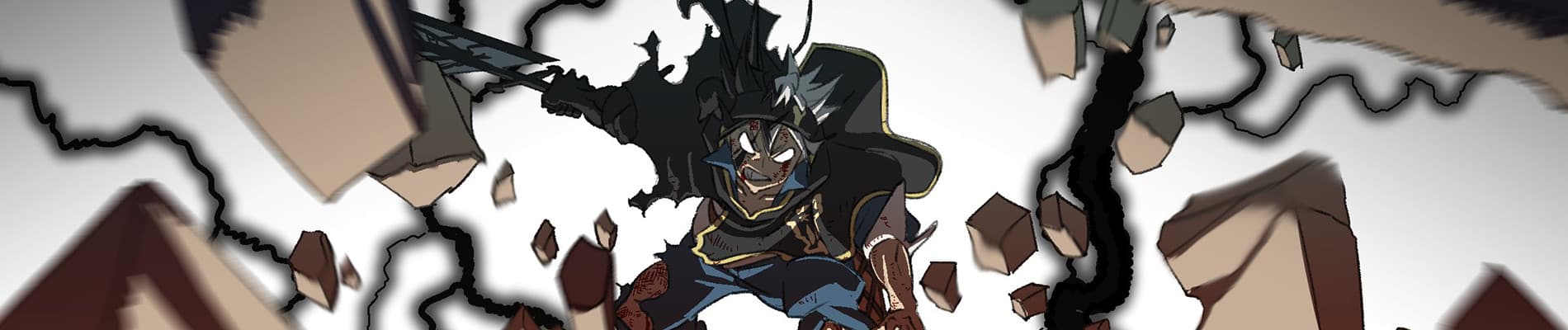
The battles in Black Clover certainly had an older flavor than I had anticipated. Although the animation may not be as smooth as it could be, the series doesn’t hold back when it chooses to go all out. The battle between Yami and Dante continues to send shivers down my spine, and I should have appreciated how the show matches its music with emotion more before. That sense of never giving up is even more poignant when you’ve watched all the characters mature, endure hardships, and come to terms with their insecurities.
Naturally, a rewatch also reveals its flaws. It still has the tendency to drag in the middle arcs, and the series heavily relies on the old shounen tropes, such as power-ups at the right moment, villains with tragic backstories, and speeches about friendship that border on the extreme. But honestly, that’s what Black Clover is. It doesn’t try to be anything other than what it is: an emotional, passionate, albeit somewhat clumsy, love letter to traditional shounen plotting.
This time, it was the sincerity that made a difference to me. Black Clover doesn’t offer the most original plot or flashy production, but it has heart. You can see the effort put into each scene, how the voice actors have poured their emotions into every word, and how the animators have stretched themselves to make a weekly shift to give the fans a great fight. It has that genuine “we’re doing our best” dynamic that echoes Asta himself, and that makes it easy to cheer for the show, even when it stumbles.
After my second viewing, I had come to value Black Clover more as an experience than as a commodity. It’s not flawless, but it never gives up on trying to improve - and that’s essentially the point. Watching Asta and his friends mature, fall, and rise again reminded me of the reason behind falling in love with shounen in the first place.
Rewatching Black Clover won’t give you the same effect of rediscovering a masterpiece, but it will give you that sense of determination. It’s the anime version of people shouting at you across the finish line, gasping themselves. It’s coarse and noisy, yet sincere. And that’s why it still works.
20 out of 22 users liked this review
