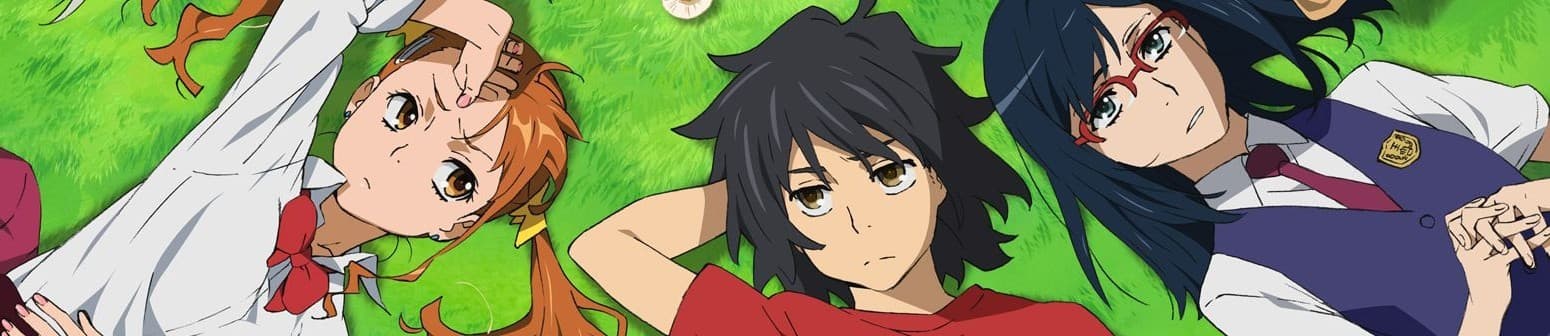
There are stories that aren’t watched they’re felt.
From the very first episodes, Anohana awakened a kind of resistance in me. Something stirred inside as I watched one of the characters being treated with mockery or indifference. That discomfort didn’t just come from the screen, but from my own story from those marks left by the feeling of not being understood. Sometimes a series touches wounds you didn’t even know were still there.
That resistance slowly turned into empathy when I realized that each of those characters carried their own way of coping with pain. Anohana shows that not everyone grieves the same way: some get angry, some drift away, others make jokes to keep from breaking. It’s not an excuse for cruelty, but it is a more human lens sometimes, the one who hurts the most is the one who needed a hug the most.
And amid all that, there’s a small light: the desire to fulfill a promise made to someone dearly loved. A simple intention that somehow brings together what was once broken.
Because Anohana isn’t about ghosts it’s about the presence we leave in others. It’s a story about how we keep talking to those who are no longer here, in the smallest details, in the places where a laugh or a flower brings their name back to life. It also touches something spiritual, that experience so intimate, yet so universal of feeling close to someone who was once everything to us.
Each scene feels like a wound wrapped in light: the warm colors contrast with the weight of what’s left unsaid, and the music seems to ask permission before it breaks you. It’s not a sad story because of pain itself, but because of how deeply human it feels to watch someone try to keep living with an incomplete heart.
In Anohana, growth isn’t epic, it’s silent. There are no heroes, no perfect redemptions, just people learning to forgive themselves and to look up at the sky again. And in that process, the viewer also remembers who they were, who they lost, who they’re still waiting for.
“We found the flower we saw that day.”
It means they rediscovered what they had lost emotionally: sincerity, affection, mutual understanding, and peace with the past.
That is the true flower that blooms at the end of pain, the ability to feel again, to forgive, and to keep living with love. ?
Score: 8/10
31.5 out of 33 users liked this review