This is gonna be a long one but here we go!
Personal experience: When I first started watching Sound! Euphonium, I didn’t know what to expect. Having heard of Kyoto Animation’s reputation, I knew the animation would be solid, but I wasn’t entirely sure about the story or whether I would get emotionally invested. As it turns out, this anime exceeded every expectation. Over the course of binge-watching all three seasons in just three to four days, I found myself completely engrossed in the story, the characters, and the intricate world of high school band competitions. The experience was immersive, heartfelt, and incredibly well-crafted. Kyoto Animation, as always, did not disappoint.
About story and plot: At its core, Sound! Euphonium is a story about ambition, growth, and the interpersonal dynamics of a high school concert band. The plot isn’t driven by explosions or fantastical battles, but rather by the realistic and relatable experiences of the students as they navigate their passion for music. What makes the story so compelling is its balance between external goals such as competing at the national level and the internal conflicts each character faces. The narrative manages to explore both the technical aspects of music performance and the personal growth of its characters without feeling forced or overly dramatic.
The pacing of the story is also something I truly appreciated. While some might think a series focused on a high school band could become slow or monotonous, Sound! Euphonium keeps the audience engaged by mixing character-driven moments with the tension and excitement of competitions. The story doesn’t rush the development of relationships or skills; instead, it allows viewers to feel the gradual evolution of each student and the dynamics of the band as a whole. This slow-burn storytelling makes the emotional moments hit harder, as you’ve seen the characters struggle and grow alongside one another.
Characters: One of the strongest aspects of this anime is its characters. Each member of the Kitauji High School Concert Band is distinct, with their own motivations, insecurities, and personal goals. What I loved most is how realistic these portrayals are. Not everyone agrees with each other’s ambitions, and the anime doesn’t shy away from showing conflicts that naturally arise in such situations. The disagreements and tension between students felt incredibly authentic, just like in real life, not everyone in a group will see eye to eye, and that makes the story far more engaging and relatable.
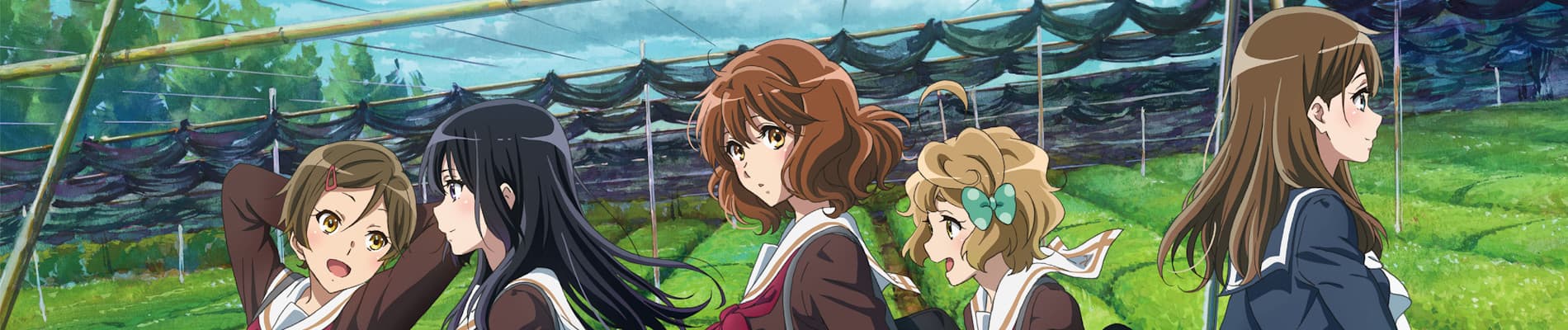
Kumiko Oumae, the protagonist, is a wonderfully layered character. Her journey from a somewhat uncertain and passive member of the band to a more confident and introspective musician is portrayed with nuance. Watching her navigate her own ambitions while understanding and supporting the people around her makes her journey deeply satisfying. But Kumiko isn’t the only well-developed character. Reina Kousaka, Asuka Tanaka, and the rest of the band each receive attention and growth arcs, allowing the audience to form attachments to multiple characters rather than focusing solely on the main protagonist. I also have to mention Taki-sensei, the band’s advisor, who is an extraordinary character in his own right. His role isn’t just to guide the students technically but to challenge them emotionally and mentally, helping them grow in ways that are both strict and compassionate. Taki-sensei’s presence adds an important layer of mentorship and realism to the story. The teacher-student dynamic is well-balanced and never feels overbearing or clichéd.
Theme and development: Sound! Euphonium isn’t just a story about music; it’s about ambition, friendship, conflict, and personal growth. The anime explores the idea of setting goals and striving toward them, but it doesn’t present this as a linear, conflict-free journey. The characters have to navigate disagreements, self-doubt, and the pressures of competition. I really appreciated how the anime portrayed these challenges realistically. In real life, not everyone agrees with your ideas, and conflicts are inevitable, and this show captures that beautifully. Friendship is another central theme. The bonds between the characters feel authentic and meaningful. Whether it’s the subtle gestures of support, the moments of shared laughter, or the tensions that arise from disagreements, the anime captures the multifaceted nature of relationships. Watching these friendships grow and develop alongside the characters’ musical journey was one of the most enjoyable and emotionally resonant aspects of the show for me. The emotional depth is further enhanced by the focus on music itself. The anime demonstrates how music can be both a source of personal expression and a medium for collaboration. While I felt that some musical moments could have been even more heart-touching, the series still effectively conveys the passion and dedication required to perform at a high level. The performances are beautifully animated and often paired with subtle, emotionally evocative soundtracks that heighten the impact without overshadowing the narrative.
Visual and Animation: Kyoto Animation’s signature style shines throughout the series. The animation is crisp, clean, and expressive, capturing everything from the subtle facial expressions of characters to the intricate movements of their instruments. One of the things that stands out is how well the animation conveys emotion small glances, hesitations, and gestures are all rendered with care and meaning. Watching the characters interact feels natural, and the visual attention to detail enhances immersion in the story. The backgrounds are equally stunning, creating a believable and aesthetically pleasing depiction of the school and its surroundings.
The visual storytelling complements the narrative, ensuring that even quiet moments carry weight. For instance, a simple scene of a character practicing or walking through the school courtyard can be visually expressive, revealing mood and context without a single line of dialogue. These small touches add richness and depth to the viewing experience, making it more than just a story about music; it’s a story about life, growth, and human connection.
What i liked the most about it: One of the reasons Sound! Euphonium resonated with me so strongly is its realism. The anime doesn’t rely on exaggerated drama or overly fantastical events to create tension. Instead, it finds drama in everyday life like the pressures of school, the desire to improve, interpersonal conflicts, and the joy of small victories. The series captures the small, relatable details of high school life and the experience of working within a group with shared goals. That realism is refreshing and makes the characters’ triumphs and struggles feel more meaningful. Additionally, the anime doesn’t shy away from showing the imperfections and flaws of its characters. They argue, they hesitate, they make mistakes, just like real people. This makes their eventual growth feel earned and satisfying. Watching the characters overcome challenges, resolve conflicts, and learn more about themselves is deeply rewarding as a viewer.
Conclusion: In conclusion, Sound! Euphonium is a gem of a series that deserves attention not just from anime fans, but from anyone who appreciates stories about growth, ambition, and human connection. It’s a series that makes you feel invested in its characters, think about your own goals and friendships, and appreciate the beauty of teamwork and perseverance. While I wished some musical moments were even more emotionally moving, the series more than makes up for it with its rich storytelling, compelling characters, and realistic depiction of both conflict and camaraderie.
Whether you’re drawn to it for the music, the friendships, the personal growth, or the gorgeous animation, Sound! Euphonium offers a fulfilling and memorable experience. I can confidently say that this series will stick with me for a long time, and I highly recommend it to anyone looking for an anime that is heartfelt, engaging, and beautifully crafted.
40.5 out of 41 users liked this review