

There are shows that slowly pull you in, and others that shake you from the very first episode. The Promised Neverland belongs to the second kind. It’s a story that makes you believe you’ve figured everything out until, in just a few seconds, it proves you haven’t understood anything at all. That initial “WOW” doesn’t fade away; it turns into tension, surprise, and a growing admiration for characters who are as intelligent as they are brave.
Beyond the suspense and clever twists, what struck me the most was its raw reflection of reality. Because what the characters live through isn’t just a metaphor, it’s an echo of what many people face in real life, fighting to escape a system that consumes them without them even realizing it. That idea that something we’ve been taught to see as beautiful might actually be a cruel illusion stays with you long after the episode ends.
I’ve read the criticism about the second season, about how it strayed from the manga or disappointed some fans. But I prefer to speak from my own experience, without comparisons or expectations. From that perspective, The Promised Neverland was beautiful, haunting, and full of moments that left a mark on me.
Each character shines in their own way. Every look, every decision, breaks you a little more. I cried with them, suffered with them, and, above all, admired their strength their refusal to give up even when everything seemed lost.
Because if this story teaches us anything, it’s that even in the darkest places, there’s always someone brave enough to dream of freedom.
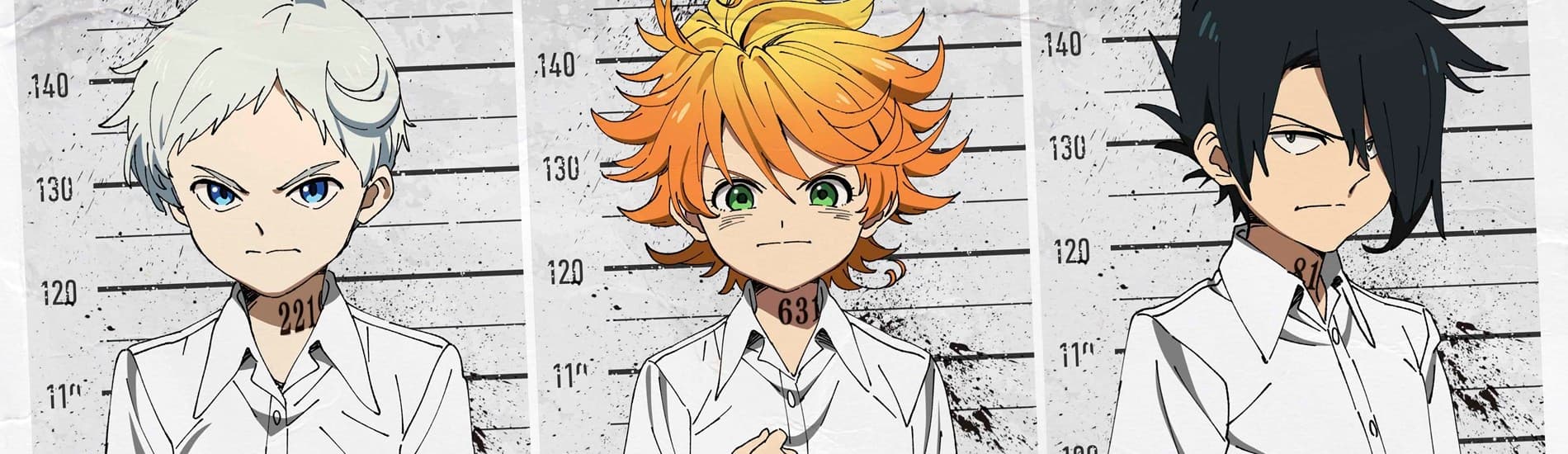
Emma, Norman, and Ray are the heart of this story. Emma is pure hope, her kindness burns like a flame that refuses to go out, no matter how cruel the world becomes. Norman is the strategist, the calm within the chaos, but his brilliance hides a quiet fragility that makes him deeply human. Ray is the realist, sharp and wounded, the one who sees the truth but still chooses to fight.
And then there’s Isabella, “Mother.” She’s one of those characters you can’t fully love or hate. Her smile hides something tragic, an echo of what happens when survival demands that you bury your own heart. She represents that cruel balance between care and control, love and obedience.
Together, they turn the story into something far more complex than good versus evil. It becomes about choices, love twisted by fear, and the quiet rebellion that begins when someone finally dares to question what they’ve been told to believe.
“Even if it’s impossible, I want to believe.”
Score: 10/10