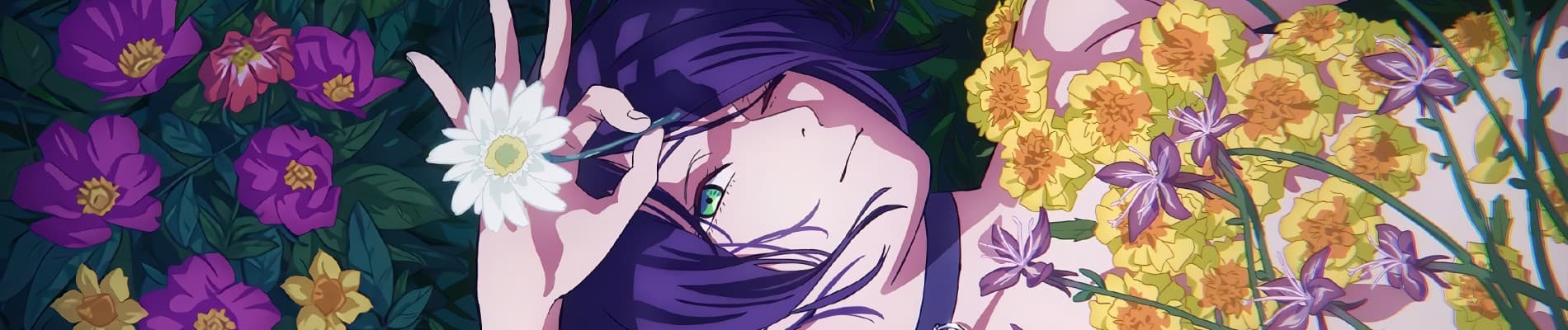
Chainsaw Man - The Movie: Reze Arc exceeded my expectations and, simultaneously, delved deeper than I anticipated. Following the tumultuous and insane events of the first season of the anime, I had assumed that Denji’s story would revolve around a gruesome compilation of intestines, chains, and nihilistic humor. However, the Reze Arc takes this foundation and exposes a profoundly human vulnerability beneath all the bloodshed. What will become of a boy who has never been anything but used begin to believe that someone might genuinely love him? And what happens to that love when it becomes an additional knife thrust in his chest?
MAPPA’s direction in this aspect is more cinematic than ever before. The movie begins with a melancholic and calm atmosphere, akin to a calm before a storm that is not visible but palpable. The wet streets, dim city lights, and subdued, almost romantic music that accompany Denji during her initial encounter with Reze create an illusion of peace that is destined to be shattered. You sense the impending tragedy, but it doesn’t diminish its savage nature.
Reze herself is an extraordinary figure of charm, mystery, and overwhelming sadness. Initially, you might believe that she is kind, but the truth gradually becomes evident. Their chemistry is natural and almost tender, making each lie and twist of the knife all the more painful. It’s not just a love story that went awry; it’s two individuals who never had the chance to be normal and pretend to be a couple for a moment. The movie masterfully balances a sense of romance with the constant presence of danger.
This may be the most refined action sequence by MAPPA. All the fights are brutal, fast-paced, and fluid—the choreography is a controlled chaos. The animators skillfully use momentum and perspective to make Denji’s movements appear monstrous and desperate. The fight between Chainsaw Man and Reze is particularly intense; it’s not just a fight, but also a confession, a breakdown, and a goodbye all at once. The downpour, the blood, the water, and the noise of chains tearing through flesh create a grotesque yet beautiful atmosphere.
However, the violence is not the most memorable aspect of the film; it’s the silence. The film understands when to be silent and let the emotions speak for themselves. The shot towards the end, when Denji sits alone and the light barely touches him, conveys more than any words could. It’s a chilling reminder that Chainsaw Man is not about devils and hunters; it’s about loneliness, about the inhumanity of desiring love in a world that constantly takes it away.
The final scene of Reze is a heart-wrenching moment that lingers long after the credits roll. You almost wish for a different version of events, where things had turned out differently, where Denji might have had the cafe date, or where Reze might have entered the room with a smile on her face. But that’s not Chainsaw Man—and that’s what makes it so difficult to fully grasp. Being innocent doesn’t help in this world; it punishes it.
What I appreciate about this film is that it doesn’t compromise. It doesn’t sanitize its pain or offer a false sense of catharsis. It simply leaves the heartbreak raw and unaddressed, like a cigarette burning between two people who will never have the chance to share another one. It’s not the fact that Denji is a monster that makes him tragic; it’s that he’s a human being who believes in love despite the world’s constant reminders that love can be deadly.
Chainsaw Man - The Movie: Reze Arc is not a continuation of a story; it’s an empathy test. It asks the question of whether you can continue to support a person who keeps being trampled by life and rises above it all. It’s a thunderous, heart-wrenching, and exquisitely bloody work of narration—a work that leaves you empty in the most desirable way.
64 out of 66 users liked this review