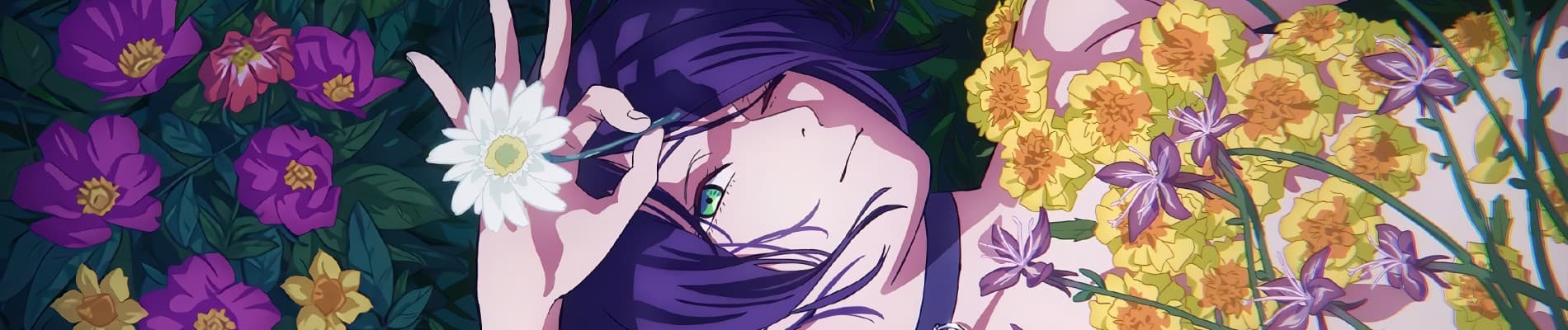

When I watched the first season of Chainsaw Man, I rushed to read the rest of the manga by buying all the volumes because I really liked it, and I read all of part 1 in a week. Then 3 years passed without me reading part 2. In the meantime, I watched the film Look Back, another work by Fujimoto before reading the paper version, which is a pure masterpiece, and it made me understand one thing: Fujimoto has an artistic sensibility and a talent that needs to be explored more. So I read and I am currently up to date with Chainsaw Man, and if there is one thing to remember, is that no one is able to match Fujimoto in and storytelling and perhaps even writing
After 3 years, the film is finally coming out in theaters, and I rushed to see it that same evening.
How I will write my review
I wanted to analyze the film by point (artistic direction, music, characters), but this time I will do it in chronological order, it seems more relevant to me
1. Opening
But there is a detail in this opening and I hope I'm not the only one to have noticed it, but Makima's eyes are omnipresent:


2. Makima's Date
First, it's important to recontextualize the mind of Denji, a virgin who has nothing in life, who finds a little peace in his new routine and who simply wants to taste the pleasure of women. It's quite tragic as a definition, but it's also what makes Denji one of the most human characters I know. He's trapped in the train of desire, it's vicious and unhealthy, especially when it doesn't go any further than that.
Seeing him so happy in front of a dominant woman with whom he can simply "go out" is a little painful, especially since she is playing with him and it shows.

As you probably know, Fujimoto is passionate about cinema and always mentions it in his work. And here, he gives us the most current message about this art, which Damien Chazelle also did in 2022 with his film Babylon: we're talking about the death of cinema.
Let me explain, as we see in the film, Makima and Denji watch movies all day long in packed theaters, the spectators all react to what is happening on the screen, except Makima and Denji (here we could think that it is first of all Denji's relationship with his emotions, but it goes beyond that). All these films were quite mid, but Makima suggests to Denji to go see one last one, but she warns him because this one was a little more complex and hard to follow, we could say "intellectual". And she also adds that she has to see at least 10 films to find a good one, and that there are even some that have changed her life. Yes, a film has the power to change a life, it is the power of art.


Auteur films are failures, no one likes them anymore, people don't want them, and yet, what makes cinema beautiful is the mark it is capable of leaving on our souls. Some films transcend our emotions, some challenge everything we believe in, others make us question our life choices. And all of this is possible through creation, through art, through the genius of some, without financial desire, just to create.
This is what this scene represents to me, this empty cinema, it is Fujimoto's love for this art that he loves so much, and art in general
3. The Reze meeting

Crazy charm, a seductive voice that bewitches us, I think it's the craziest dubbing performance I've seen in my life
And I felt a much deeper attachment to the character watching the film than I did reading the manga, not only thanks to Reze's voice, but also thanks to the direction, which I'll talk about right after.
4. Pool scene
Reze, after breaking character and singing a little Russian song, in a poignant silence, whether in the film or in the cinema, it was chilling. She comes back to see Denji, who was lost in his romantic hesitations, and suggests he come swimming with her.
She undresses in front of him, without wasting any time, Denji decides to take the plunge, then, a piece of music, a scene, two characters, nothing more. As I write this, I think back on it and almost want to cry. It was MASTERFUL

Thank you for this cinema
5. Boom.

How long did it last? 30 minutes? With very few interruptions and, above all, no flashbacks (you know where I'm going with this).
But let's talk about this phenomenal artistic direction. The whole film was already visually incredibly beautiful, with beautiful lights in the play of color and reflections, everything was neat, the 3 years of waiting are largely justified. But then Mappa went crazy, the choreography was perfect, the impact of the explosions and blows was felt, the constantly moving camera made the fight crazy, we were living it. The details were worked even in scenes with a lot of movement or special effects, which made everything readable, to the point where we could not even see all the details.
all set to epic music, what a show, I have nothing more to say.
and the kissing scene, I didn't expect it to be so well adapted, again a big thank you Mappa
6. The town mouse or the country mouse
This brings a real reflection on the search for happiness, on its durability, on its value, on what it is.
7. Tragedy
The saddest thing was seeing Denji waiting with flowers in the cafe where she worked, looking dejected.
3 years after reading the manga, I'm still sad that Denji and Reze didn't get to see their love blossom. The movie put another layer on my wound that never closed.
And tragic endings, there's nothing better.
Conclusion :
Visuals : 9.5/10
Animation : 10/10
Story : 9.5/10
Writing : 9/10
Characters : 9.5/10
Voice acting : 10/10
Pacing : 9.5/10
Enjoyment : 10/10
Musics : 9.5/10
End : 10/10
The film is almost flawless, and it becomes one of the best animated films in history.
So a big thank you to Mappa and the entire production for giving Fujimoto and his masterpiece an adaptation that lived up to his genius, he deserved it.
