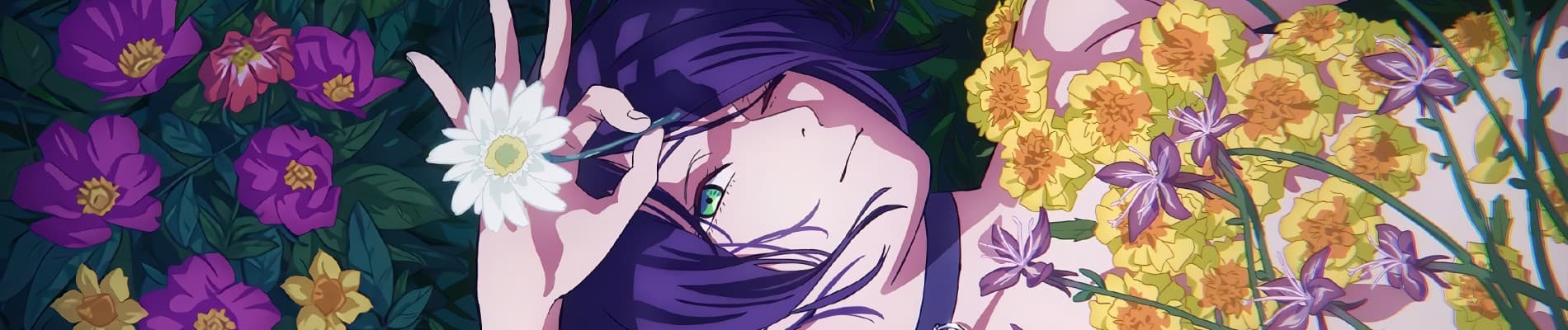

Chainsaw Man - Reze Arc's plot is just as unhinged as you'd expect it to be; it's unpredictable and weird, both in a great way. The story picks up right after the events concluding the first season, with Denji settling into his life as a Devil Hunter. He's finally getting used to his job, and is beginning to enjoy it. Everything's going smoothly for him, only until he crosses paths with Reze.
The film explores themes of deception, yearning, and pretending to be someone you're not. It's seen through the relationships between characters, and the symbols and imagery placed throughout the story.
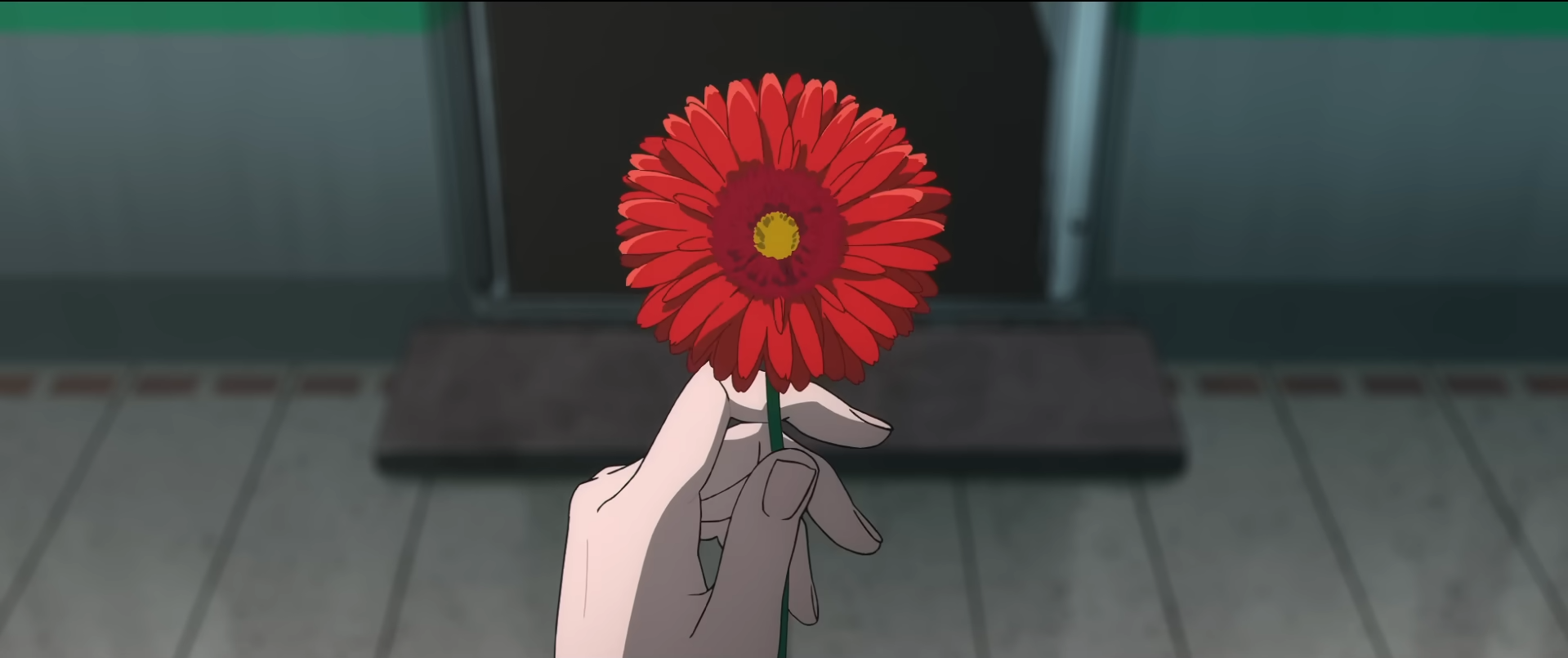
The characterization used for the main cast of the story was phenomenal. They all feel authentic in some way, and it's easy to find yourself relating to some of them. The characters who stuck out to me the most were Denji, Reze, Aki, and the Angel Devil.
It's emphasized in the first season and reemphasized in the Reze arc that Denji's just a teenager who's extremely inclined to simple desires. He's just been thrust into a somewhat normal lifestyle, and he desperately wants to experience the things normal humans enjoy-- that being for him, relationships and intimacy.
Reze is a standout from everyone else. She's an intricately woven build of a character; you can't help but sympathize with her, despite the things she's done. She's manipulative and extremely dedicated to her mission. That aside, she still displays genuine human emotions and traits like love and affection.
Aki fully embodies responsibility and discipline, being a key member of Special Division 4, and Denji and Power's primary caretaker. The first season introduced his personality as a very stoic person. Towards the end of it, you realize that it's just a facade; he's not at all like that, and he shows his emotions when he's faced with hardships. The film dives deeper on this side of his character, showing his true colors.
Angel's a devil who can be described as a very passive and unenthusiastic character-- but he's so much more. He puts himself being a devil before being an angel. Angel shares the same views towards humans as other devils do, yet doesn't actively pursue making humans suffer. His abilities complement his personality perfectly; life drain is painless, yet a simple touch can take months of your life.
With that out of the way, I'll now be moving onto the relationship dynamics between these characters-- Denji/Reze and Aki/Angel.
Denji's relationship with Reze is nothing short of a tragic romance. Denji thinks he's finally found himself in a healthy relationship, and Reze slowly realizes she has real feelings towards Denji. Both find themselves tasting a bit of normalcy, contrasting their work lives. We have Denji wanting to be the city mouse, and Reze wanting to be the country mouse. What made their connection legitimate was the fact that they were able to, in a way-- experience both of those lifestyles during their time together.
Aki's bond with Angel was beautiful, with their relationship deepening rapidly over the course of the arc. It starts by Aki telling Angel that they couldn't possibly work together, but ends with him finally showing acceptance towards the devil he hated. It's a complex friendship formed by sheer desperation; you have Aki gradually coming to accept that he won't let another person's life slip away from him, but Angel on the other hand, wants to lose his life, due to his built up remorse.
The film's pacing was excellent, and it felt like the arc was truly made to be a theatrical release. The first half was an extremely intriguing buildup, giving us a solid grasp on the environment and characters, before quite literally exploding and giving us a complete flip on the story. I was engaged for every minute, and nothing was too prolonged or short.
The style of Reze arc's production can be split in two factors: Animation and Tone.
EVERYTHING about the animation exceeded my already high expectations. You could see the purpose behind every sequence, and its fluidity is unmatched. The expressions drawn on the characters' faces looked true to life. The fight choreography was done in such an insanely creative way; you could tell the production team really let their imagination run wild for it. All of the scenes were just crafted with pure passion and intention.
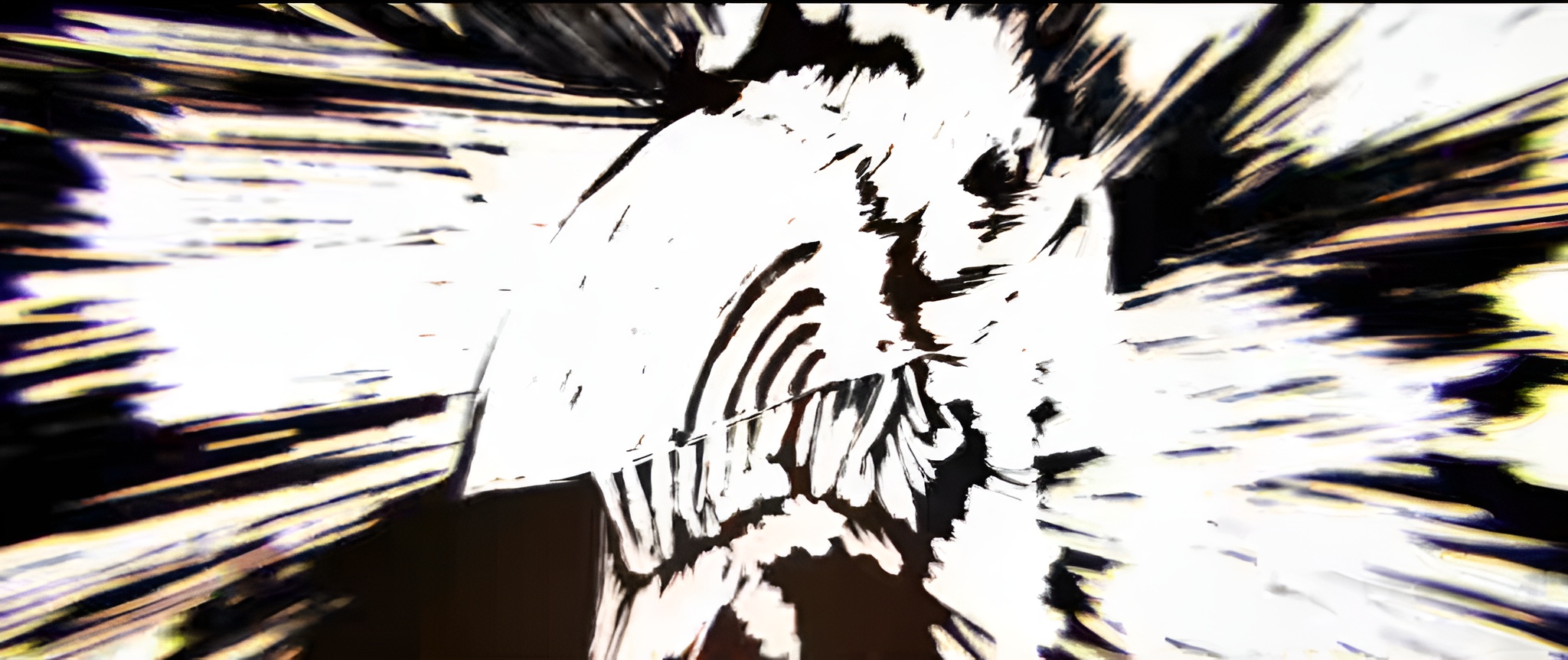
The tone for the movie was a HUGE shift as opposed to its first season. Some prefer season one's rendition, and others prefer this rendition. I personally believe that both presentations fit their respective arc. The first season presents the story in a very grounded and gloomy way, showing the viewers the nitty-gritty reality of Devils and Devil Hunting, really setting the atmosphere. The movie approaches the story in a more flashy, stylized way, as the plot itself incorporates less gloomy elements, but instead focuses more on the action, and even certain Slice of Life aspects. I think the decision to drastically change the direction fits Chainsaw Man as a series, with both interpretations serving as mediums for the different sides of the story.
Voice acting was ON POINT-- Kikunosuke Toya and Reina Ueda completely embraced their characters as Denji and Reze. Both were fully able to encapsulate the human and devil halves of their roles. From Toya capturing Denji's demented laughs, to Ueda showing her range with Reze as both an innocent girl and the Bomb Devil, it all felt natural and clean.
To wrap up the production section, I want to talk about the insane job Kensuke Ushio, Kenshi Yonezu, and Hikaru Utada did for this film.
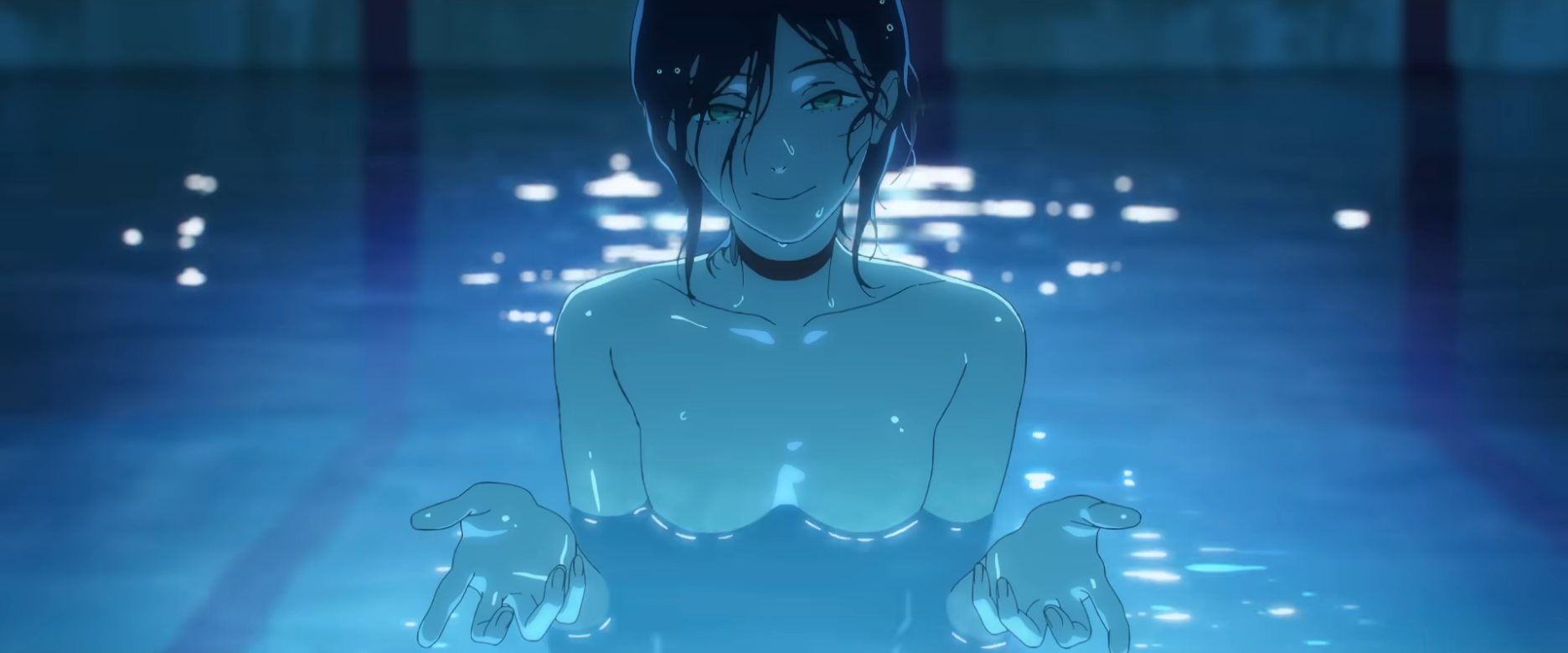
In every scene, Kensuke Ushio's music really sold the overall vibe. "in the pool," the track played during the iconic Denji/Reze pool scene really elevated it in a way that made the entire sequence feel so ethereal. Later, Ushio shows off his versatility with the track "dance with chainsaw," which plays during the fight scenes between Reze and Denji. It integrates breakcore elements in the song, while also keeping Ushio's signature calm production mixed in.
When Kenshi Yonezu's "KICK BACK" song was released for Chainsaw Man's first opening, it did AMAZING. So much so to the point that it became the first Japanese language song to achieve both the RIAA Gold AND Platinum Award, surpassing over 1,000,000 units sold. With that, it was obvious that Yonezu would have done an equally amazing job for the movie. Within the first few minutes of watching, "IRIS OUT," the new opening theme begins playing. It's so unbelievably fitting, like Denji himself helped create the song, with lines like "No, no, no, my morals scream at me, From the depths of my brain, 'Don't do it, you idiot'" and "I love you's spew from my carotid artery."
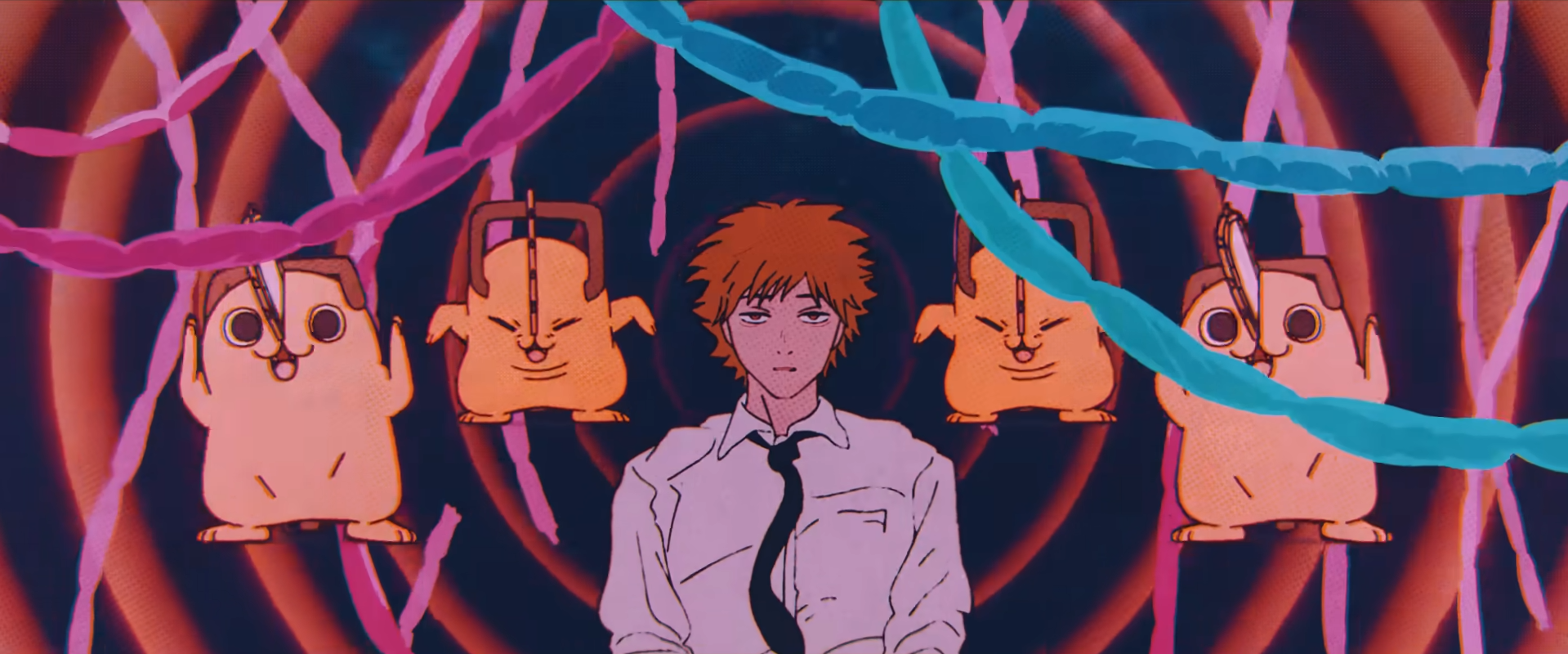
Hikaru Utada was the surprise feature in this film, and she absolutely killed it. "JANE DOE" is my all-time favorite track from the movie, and Utada did a superb job pairing with Yonezu. It plays during the credits, and it just sends you off feeling gutted. It's like a constant reminder of Denji and Reze's failed love story, saying things like "Walking on broken glass barefoot, Drops of blood fall with each pang of pain, Please, trace those red footsteps and come find me" with some HEAVENLY vocals.
Reze Arc felt like more than just a movie to me, part of it was going to the theaters and having a really active crowd, and another part being the top-of-the line overall production. It was true art, and it blew it's manga counterpart out of the water. I watched the credits roll pretty much tearing up, but so was about 50% of the theater. I loved everything about this movie, and I have no complaints. Call it glaze, call it meatriding, these are my honest thoughts on this film.