Nana
a review by TommyBiasi
a review by TommyBiasi
SPOILER WARNING: This text discusses the characters, their relationships, and key dynamics in the story. Some details are revealed to talk about the depth of the manga, but no major plot twists or the "ending" are spoiled.
After several months spent reading Nana, I have finally reached the end of this monumental work. There is so much to say about it, but the quickest way to describe it is: “the unfinished masterpiece.”
 ___
Even if Nana remains incomplete, it is still one of the most captivating and emotionally powerful stories of its genre. The narrative is characterized by its strong and unmistakable identity: two protagonists whose lives become interconnected, adult characters involved in raw and realistic relationships, and the ever present theme of music, expressed through two bands that reflect and oppose each other. All of this is framed by Ai Yazawa’s elegant and inimitable art.
___
Even if Nana remains incomplete, it is still one of the most captivating and emotionally powerful stories of its genre. The narrative is characterized by its strong and unmistakable identity: two protagonists whose lives become interconnected, adult characters involved in raw and realistic relationships, and the ever present theme of music, expressed through two bands that reflect and oppose each other. All of this is framed by Ai Yazawa’s elegant and inimitable art.Nana is a work rich in detail and complexity, and its greatest strength is undoubtedly its characters. Every character has flaws and qualities: there are no perfect people to idealize in this manga; everyone has aspects that sometimes make them negative figures. The main cast consists of young adults in their twenties, with aspirations, dreams, and hopes, but also doubts and fears.
Above all, reading the manga at the same age as the main cast makes it easy to relate to these deeply human and sincere emotions, with doubts that affect everyone: work, social life, family, friends, and love.
The two Nanas are very different and at the same time very similar: together they form a duo that completes each other perfectly, and this duo is probably my favorite in all of anime/manga.
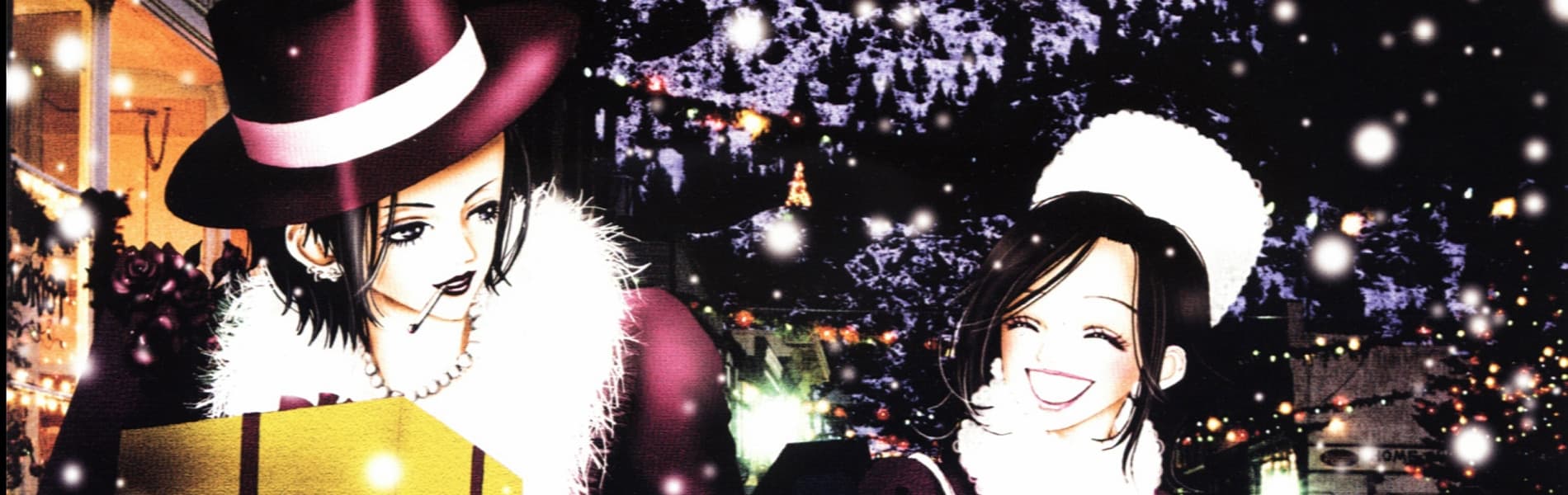
Nana “Hachi” Komatsu is emotional and sensitive, impulsive, naive but sincere, very romantic and idealistic; in terms of appearance she is cute and very feminine. In perfect contrast stands Nana Osaki: strong, rebellious, independent, proud, with a sharp punk-rock look.

Their relationship is wonderful, and it is precisely this incredibly strong friendship between the two that moved me the most. They are very close and always ready to be there for one another, even though their bond is often tested by external factors. It is the struggles they encounter along their journey that make them grow as people and reveal hidden aspects of their personality: Hachi demonstrates remarkable emotional intelligence, able to read people better than they themselves can, while Nana is far more fragile than she wants to appear, with a strong emotional dependence on the people she loves and a constant fear of losing them, due to trauma experienced in her childhood.
The other characters are also incredibly human and layered, and like the two protagonists, they share fantastic dynamics that blend together in a simply perfect way. The two bands, the Black Stones and Trapnest, have a truly unique relationship: rivalry, friendship, and romantic relationships between members that interconnect in a believable and engaging way.

Speaking of characters, I’d like to write a brief thought about one of the most controversial and hated figures in the entire series: Takumi Ichinose. It is easy to hate him: he commits despicable actions and hurts the people around him. And yet, despite this, he is one of my favorites, because these characteristics make him incredibly complex and real. He behaves like a piece of shit: he cheats, manipulates, and is ambitious to the point of being obsessed. And yet he evolves, and he is also capable of taking care of the people he cares about, in his own way. His actions often seem cruel, but they come from a deep need for control and a fear of losing what truly matters to him. This makes him unpredictable and, at the same time, realistic and fascinating.
The themes explored in Nana are numerous and profoundly adult: ambitions, love, work, passion, loss, motherhood, abortion, prostitution, pedophilia, and the use of drugs and substances. The series doesn’t merely present them but it explores them with depth and realism, showing how these aspects are integrated into the characters’ lives and shape their growth, often in painful and unexpected ways.
Nana is certainly not the classic sweet and lighthearted romantic story: it is a drama, a constant stab to the chest. Another essential element is its excellent writing: dialogues that are natural, sharp and never superfluous. Every conversation pushes the story forward or reveals new emotional layers of the characters, and many lines stay imprinted in your mind long after reading. Their words resonate because they are genuinely authentic; at times raw, at times poetic, and they perfectly capture the vulnerability and strength of the cast.
Finally, there is Ai Yazawa’s style, which I personally find fantastic. I love the character design, both for male and female characters; they are all expressive, and so many details are conveyed even without dialogue. I also personally find her approach to fashion, clothing, and hairstyles gorgeous; every character is beautiful, recognizable, and visually expressive of their personality.
Nana was truly a powerful emotional journey, one that I really hope to see completed someday. Unfortunately, there are still important unresolved plotlines, and it would be wonderful to see them concluded with dignity. The chances are low, but if it ever happens, I belive this work would unquestionably reach the status of a masterpiece.
46.5 out of 47 users liked this review
