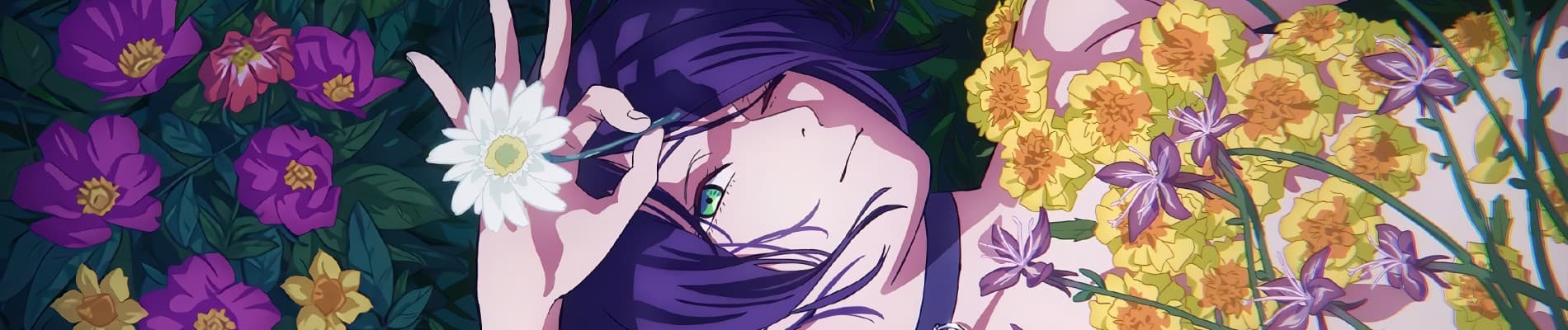

When Hikaru Utada's "JANE DOE" played as the credits rolled in the theater, the fragments of explosions, swimming pools, and unspoken confessions finally coalesced into Tatsuki Fujimoto's unique melancholic aesthetic. As MAPPA's "redemption project" to wash away the controversies of the TV series, the Chainsaw Man – The Movie: Reze Arc film, with its extreme collision of madness and innocence, refined the most visually adaptable chapter of the manga into a double bombardment of sight, sound, and emotion.

The film's most brilliant aspect is its masterful use of contrast. The first half sketches the encounter between the boy and girl with a fresh, everyday touch: their first meeting in the rain, their playful time at the swimming pool, their clumsy attempts at intimacy—every shot is imbued with the unique purity of adolescence, yet the interspersed imagery of "spiders preying on butterflies" foreshadows their tragic fate. When the fireworks and blood erupt simultaneously on the night of the festival, the plot abruptly shifts from a pure love story to a bloodthirsty B-movie. This unhesitating stylistic shift not only aligns with Fujimoto's creative core but also allows the audience to experience the true meaning of "art is an explosion" through an emotional rollercoaster. MAPPA completely abandoned the TV series' obsession with 3D and realism, using wild hand-drawn strokes, sharp storyboarding, and diverse combat designs to vividly portray the clash of chainsaws and bombs. The distorted and deformed animation in the Typhoon Devil fight pushes the visual impact of 2D animation to new heights.

The success of the character development is the core of the film's emotional impact. Reze, a character who is both (mad) and fragile, is brought to life most movingly on screen—she uses lies to justify approaching Denji, yet she genuinely cares for him while teaching him to swim; she unleashes a bloody storm as the Bomb Devil, but in her final moments, she only wants to leave a lasting impression on her lover. Her dying whisper, "Actually, I never went to school either," confirms their shared identity and serves as the most poignant commentary on their brief relationship—not sentimental, yet every word is heartbreaking. Denji's growth is hidden in his naive responses, evolving from a boy driven by instinct to the hesitation and empathy he shows when letting Reze go. This encounter finally allows his understanding of "love" to transcend mere physiological desire. Makima remains the manipulator in the shadows; her interception of Reze is not only a plot twist but also subtly reflects the "Control Devil's" absolute possessiveness over her chosen object. Her line, "I also like country mice," perfectly encapsulates the complex mix of mutual understanding and antagonism between the characters.

The power of the visual and auditory language makes this emotion even more impactful. Kensuke Ushio's score precisely captures the tenderness of everyday life and the frenzy of battle, perfectly synchronized with the visual rhythm. The cinematography, borrowing from the style of Nicolas Winding Refn's Drive, creates a powerful contrast between the most beautiful and the most violent scenes, giving rise to a unique cinematic romance. The giant screen of the cinema amplifies every detail: the texture of the raindrops, the flames of the explosion, the sense of destiny in the underwater chainsaw entanglement—all of which give this "brief, fleeting, and ephemeral boy-meets-girl" story a heart-wrenching power.
Perhaps, as some viewers have said, the film's development of the emotional arc is limited by its runtime and fails to fully replicate the tension of the manga, and some of the special effects in the fight scenes feel slightly jarring. However, this does not prevent it from being a successful adaptation—it faithfully reproduces the madness and melancholy of the original work, and uses the unique advantages of animated film to concretize the core themes of Fujimoto Tatsuki's work: love and death are twin brothers, and the most genuine emotions are often hidden beneath the most insane appearances. Reze ultimately failed to make it to the nearby coffee shop, but her silent death left an indelible mark on Denji's life.

Leaving the cinema, one can still hear the echoes of the explosion and the resonance of heartbeats. Chainsaw Man: Reze Arc is not only a visual and auditory feast, but also a love letter to all lonely souls.