~~~ ~~~
~~~

>“We’ll spend our time against these walls. We’ll fight this fight forever more… Until the day we find that place — we’re not alone.” – coldrain, “We’re Not Alone” (Rainbow OP)
Walls of Steel, Hearts Still Beating
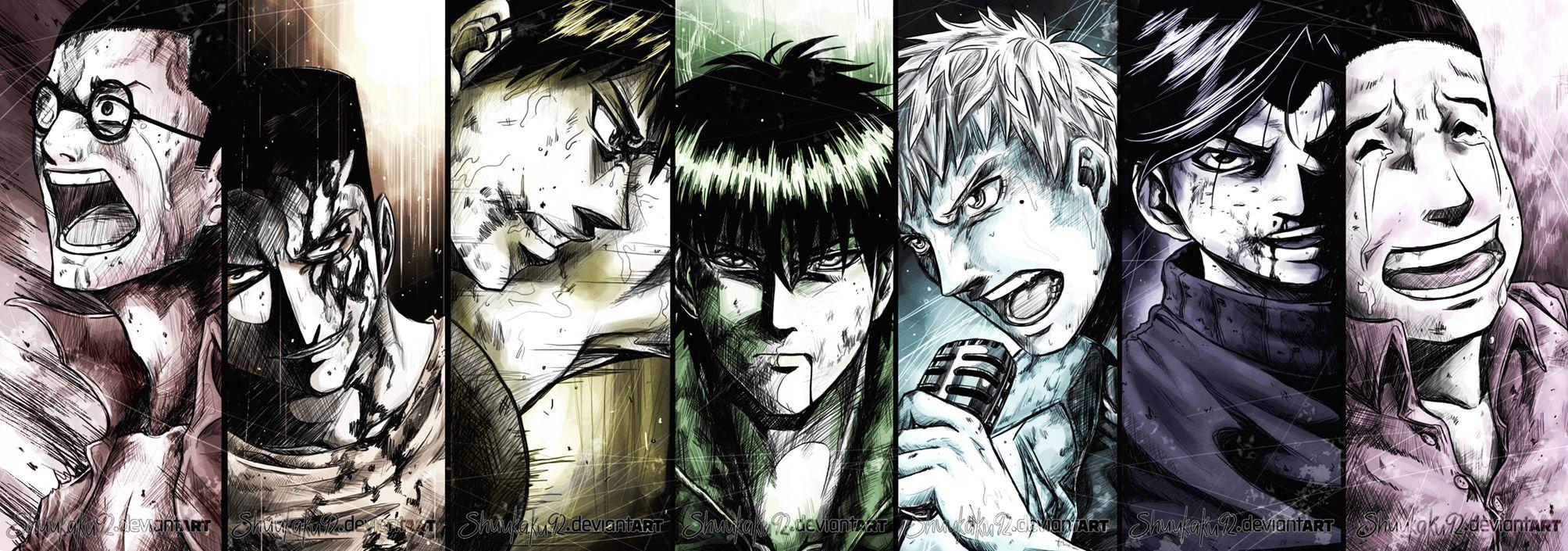
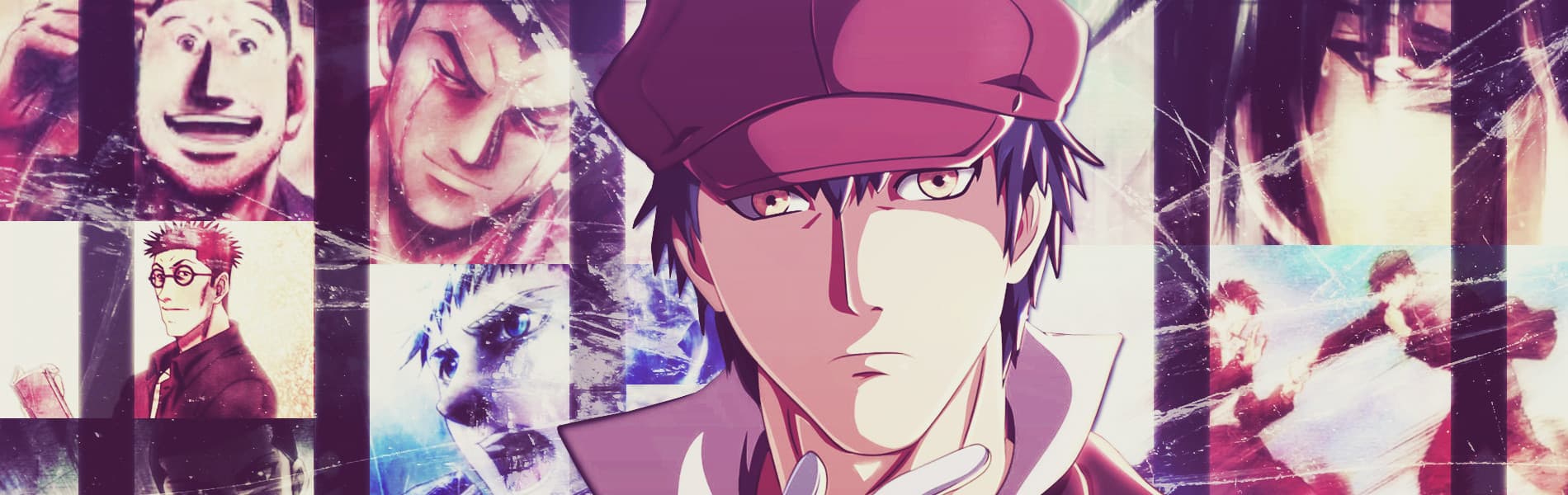
Rainbow is one of those shows that feels like getting locked in a cell with your worst mistakes and slowly, painfully learning how to live with them instead of pretending they didn’t happen. It starts in a post‑war juvenile reformatory that might as well be hell, but underneath all the beatings, humiliation, and despair, it’s really about seven boys figuring out how to hold onto their humanity when the world has already decided they’re done.
 ▶~~~
▶~~~
The prison half is brutal in a way that feels grounded rather than edgy. You see exactly how small their world becomes: one cramped cell, sadistic guards like Ishihara, a predatory doctor, and a system that treats them as disposable. What keeps it from being unwatchable is Sakuragi (Anchan), the older inmate who becomes their anchor. He’s strong, but it’s his sense of responsibility that hits hardest—someone who’s already been broken by the world choosing, deliberately, to stand back up so the others don’t have to fall as far. Mario, who starts out angry and rough, slowly reshapes that anger into loyalty, and their bond becomes the emotional spine of the story.
Rainbow doesn’t stop when the bars disappear. Once the boys get out, the series shifts into a different kind of struggle: trying to build a life in a Japan that doesn’t really want ex‑delinquents to succeed. Jobs are scarce, discrimination is constant, and the scars from the reformatory don’t magically fade just because they’re walking free. That second half is quieter but just as important; it’s about what “redemption” actually looks like day to day—taking crappy work, protecting each other, falling down again, and still believing that there’s a future worth chasing.
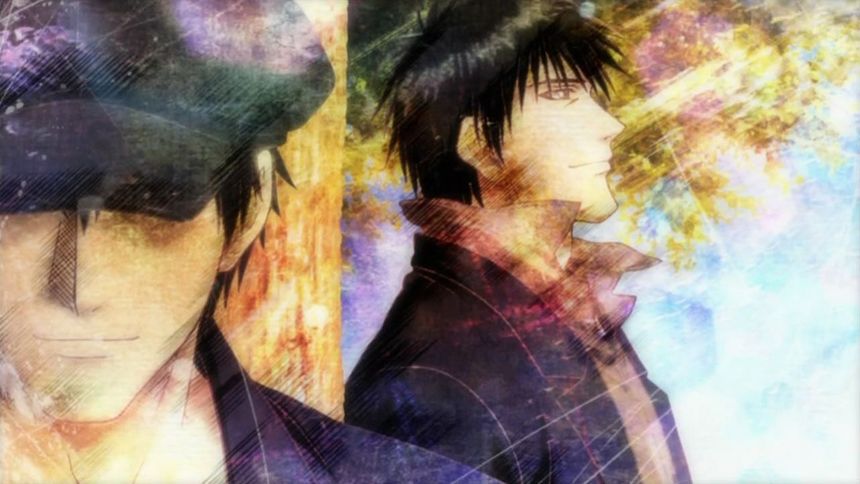
~~~Madhouse’s presentation fits the story perfectly. The muted color palette and gritty line work make everything feel damp, heavy, and tired, like the air in the reformatory never fully leaves your lungs. Fights hurt: bruises, welts, sweat, and swollen eyes instead of flashy choreography. Little touches—the way scars are drawn, the grainy textures, the manga‑style inserts—sell both the violence and the rare moments of warmth without needing long speeches.
And then there’s the OP. coldrain’s “We’re Not Alone” is honestly one of the best opening themes you can pair with a show like this. It captures that exact feeling Rainbow is built on: trapped, angry, exhausted, but still clinging to the idea that somewhere out there is a place where your dreams aren’t automatically dead. I almost never skip openings, but even if I did, this wouldn’t be one of them.~~~
~~~▶ YouTube~~~
~~~ ▶~
▶~~~
~~~Rainbow is rough, and it won’t be for everyone. It leans into cruelty, trauma, and systemic abuse, and there are stretches where it feels like things might never get better. But that’s exactly why the hopeful moments land so hard: a shared cigarette in the rain, a stupid joke in the cell, a promise to meet again outside, or a small victory in a world stacked against them. It’s a story about consequences, yeah—but even more, it’s about the stubborn little light that survives when you refuse to let the worst place you’ve been be the final word on who you are.~~~~~~