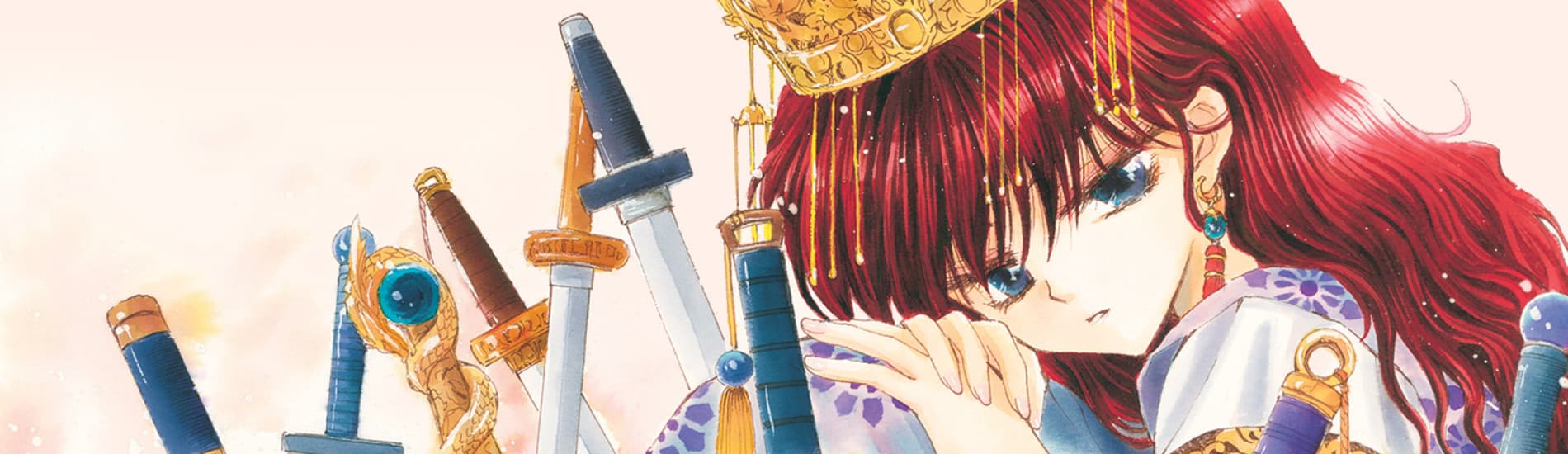

I don’t quite know how to feel. It’s the manga that started it all for me, and throughout my time delving into other notable series, has remained my tried and true. Not only for the nostalgia of the Happy Hungry Bunch, but because it represents the culmination of 16 years spent carefully and methodically developing its characters, the world around them, their individual places within it, and the various cultures and political dissonance that take shape within its deep, meaningful story.
It masterfully weaves, threads, connects, and articulates plots, subplots, intentions, and historical power structures into a compelling mixture of dialogue and action; the kind of action that serves as a testament to the author’s storytelling capabilities, displayed panel after panel, chapter after chapter, and flawlessly reproduced volume after volume, never compromising the tension or anticipation she’s built.
I have nothing but praise for this series and will be sad to “close the book,” so-to-speak on this masterpiece of fiction. Before its release, I plan to reread the series to enjoy the experience in full once more. This time, however, as a seamless and uninterrupted journey through one of my all-time favorite historical dramas
To me Yona is the most well-crafted example of how to depict true character growth. It's not confined to gender, but rather the gradual and painful visualization of her problems. The manifestation of what it means to learn from mistakes and overcome that which feels out of reach. She's a strong and complex character not defined by the "power" she was born with but the strength she obtains. When the story begins, she’s sheltered and naïve, living a peaceful life without any real understanding of the world outside her palace walls. Then, in one night, everything she’s ever known is ripped away from her. Instead of collapsing under the weight of that loss, she decides to grow from it. A gradual, natural, and refreshing cycle of growth, not achieved instantaneously but through the act of failing and putting oneself and their determination on the line, time and time again. That’s what makes her powerful; not overly characterized by her special ability, but rather her choice to keep moving forward despite fear, heartbreak and change.

What I love most about Yona is that she redefines what “strength” really means. It’s not just about learning how to fight or survive, though she does both. Her real strength comes from empathy, from caring about others even after she’s been hurt. She learns to listen, to understand, and to help people who live completely different lives from her own. Acknowledging the indecisiveness of her father and the willful ignorance she’d held while indulging palace life. Understandably unburdened and unhindered by the world outside these walls at the time, yet not nearsighted enough to purposefully turn a cold shoulder when the truth presents Itself. Her compassion becomes her weapon, and it’s what allows her to change hearts and build trust wherever she goes.

Another thing that makes her stand out is her motivation. Yona doesn’t chase revenge; she seeks understanding. She wants to know why things happened and how she can make them right. As she sees the suffering of her people, she turns her pain into purpose; overcoming the grief and hatred she feels by seeking to understand before she is understood. Veering from the action to destroy what hurt her, and instead proactively maturing in order to rebuild something better. That sense of responsibility and progressive understanding as to the climate of her nation is what makes her so much more than a survivor; it makes her a true leader.
And yet, even with all that strength, she never stops being human. Yona still feels fear, sadness, love, and doubt. She struggles with her feelings for Soo-won, with her dependence on Hak, and with the weight of the choices she has to make. She’s not a perfect hero and that’s exactly what makes her believable. Instead humanizing the insecurities and dreams she shares with those around her. Rejecting the dejection and impossible nature behind such notions; constantly pursuing the light and justice she so craves for her people, her friends, and the love she's garnered. People don’t follow Yona because she’s powerful or royal; they follow her because she inspires them. Her courage makes others want to be better, do better, and in turn spread this mindset of kindness though kinship. She brings out the best in everyone around her just by staying true to who she is.

By the end of her journey, she’s not the same girl she once was, but she’s still Yona. She never loses her warmth, her heart, or her kindness. She’s grown into someone capable, wise, and compassionate, yet she never forgets where she came from. A story of resilience, empathy, understanding and forgiveness. Showing the audience that being strong doesn’t mean being unfeeling; it means standing tall, even when we waver and all seems lost. That it's okay to lean on others and long as we always strive to be better both for ourselves and the people around us.