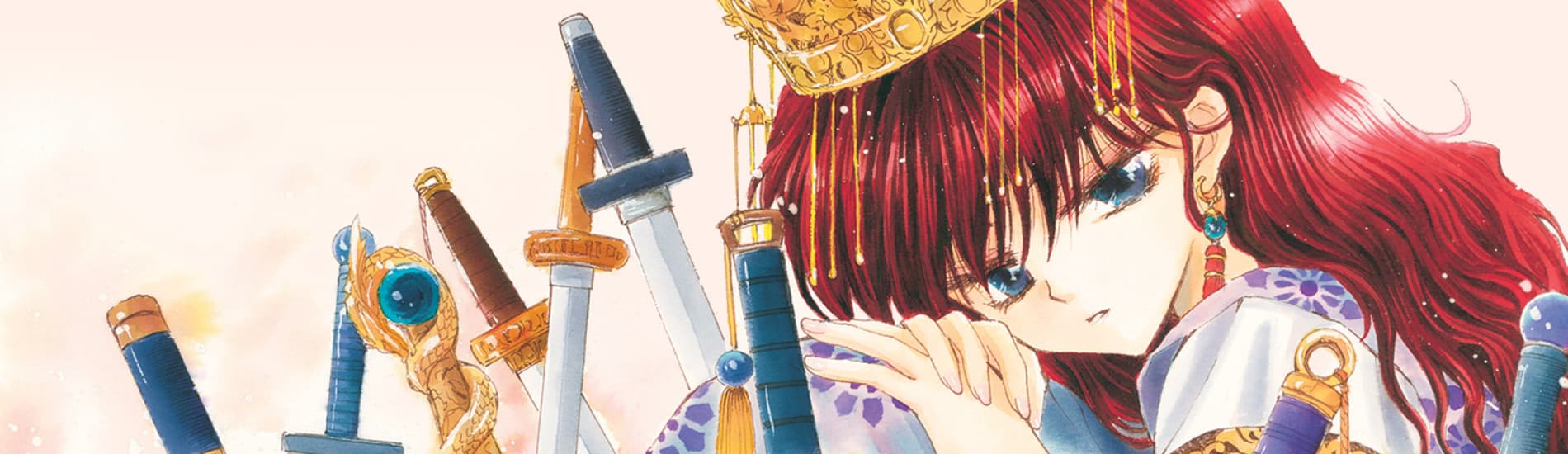
Yona of the Dawn is, at its core, a classic adventure story, one that embraces many of the familiar elements of the genre such as friendship, personal growth, found family, romance, and exploration. On paper, it checks almost every box you’d expect from a traditional adventure narrative. However, what makes it stand out is how thoughtfully these elements are executed. Even when the story leans into well-worn tropes, it rarely feels cheesy or forced. The story itself isn’t particularly complex, but it has a strong pull. Especially after around the 100-chapter mark, it becomes very hard to stop reading, and that’s a big feat for any writer to achieve.
One of the strongest aspects of the series is its cast of characters. While Yona is clearly the central figure, the manga often feels like it has an ensemble structure due to how much care and attention is given to everyone else. Characters like Hak, Su-won, the Four Dragons, and even arc-specific side characters are all treated with genuine importance. None of them feel disposable or present solely to serve the protagonist’s journey. Over time, nearly every major character undergoes meaningful development, gradually growing into a more mature and self-aware version of themselves. This sense of shared growth gives the story a lived in, evolving feel.
Among the Four Dragons, the Yellow Dragon arc left the strongest impression on me. The theme of immortality, along with the loneliness and grief that come with it, is a familiar idea, but the way it’s handled here carries real emotional weight. What elevates the arc is Zeno himself. Rather than being defined solely by his tragic past, Zeno plays a quietly crucial role throughout Yona’s journey. His perspective as an immortal who has witnessed generations rise and fall adds a unique layer. When his true desire is eventually revealed, his wish to be freed from the curse and to release the other Dragons as well, it reframes many of his earlier actions and solidifies him as one of the most compelling characters in the entire series.
Su-won is another standout, and arguably one of the most complex characters in the manga. My feelings toward him went from “I hate this guy” to “He’s not a bad king, but I still hate him”, to “Now I understand why he did what he did, even if I still don’t like him”, and finally to genuinely sympathizing with him lol. Even when I didn’t agree with his choices, I could see the logic and burden behind them. He’s neither a simple villain nor a traditional anti hero, but more human. Despite this, he often feels underrated, as discussions around the series don’t always give his character the recognition it deserves.
At the heart of everything, though, is Yona’s personal growth. Her transformation from a sheltered princess driven by grief and revenge into a leader who genuinely understands the suffering of her people is the emotional backbone of the story. As she travels, she learns that the world cannot be viewed through a single lens, and that every conflict carries multiple truths. Her worldview slowly fractures as she encounters the suffering of people who have nothing to do with her personal tragedy. Village by village, conflict by conflict, she is forced to confront an uncomfortable truth, her pain is not unique, and the world does not revolve around her loss. This gradual shift, from personal vengeance to a broader sense of responsibility is handled with patience, slow pace and care, making her growth feel earned rather than abrupt.
The relationship between Yona and Hak is another major strength. I love their chemistry, their bond develops naturally over time, rooted in trust, shared hardship, and mutual respect. Hak’s slow acceptance of his own feelings for Yona is especially satisfying. Beyond Yona, Hak’s interactions with the Dragons add a great deal of warmth and humor to the story. His rivalry with Gija, in particular, provides some consistently enjoyable moments that help balance the heavier emotional beats.
Where Yona of the Dawn falls short is in its world-building. For a fantasy series, the scope of the world feels surprisingly limited. I had hoped to see more distinct cultures, nations, or even different races, but these aspects remain underdeveloped. Political conflicts between kingdoms are often introduced with promise but resolved too quickly, which diminishes their impact. When Yona and her group become involved, it sometimes feels as though the narrative safety net kicks in, lowering the overall stakes. Additionally, certain plot patterns, such as Yona being captured repeatedly, start to feel repetitive over time.
The final arc also left me with mixed feelings. The long-anticipated appearance of the true Dragons should have carried more weight, and while the execution wasn’t outright bad, it just feel rushed. That said, I genuinely appreciated the direction the story ultimately took and found the ending satisfying. Because of that, the pacing issues didn’t bother me as much as they otherwise might have.
In the end, Yona of the Dawn is absolutely worth reading. Despite its shortcomings, it delivers a deeply rewarding journey driven by strong character and emotional growth. Watching Yona evolve over time was an incredibly fulfilling experience, and that alone makes the series memorable
10.5 out of 13 users liked this review