
Contains some very important spoilers
The Girl From the Other Side: Siúil, a Rún is not a story that ends so much as it fades. When the final page turns, there is no sense of triumph, no definitive answer that makes everything clear. Instead, what remains is a profound quietness and a stillness so deliberate it feels like the story itself is holding its breath. This is a work that understands the power of what is not said, and it wields that silence like a prayer. From the very first chapter, it establishes itself as something precious and breakable. Not fragile in weakness, but fragile as in the way ancient things are fragile. Something that has endured through gentleness alone and that will turn to dust if handled without care. That fragility permeates everything incuding the delicate linework, the measured pacing, the sparse dialogue, and most especially, the beating heart of the story itself.
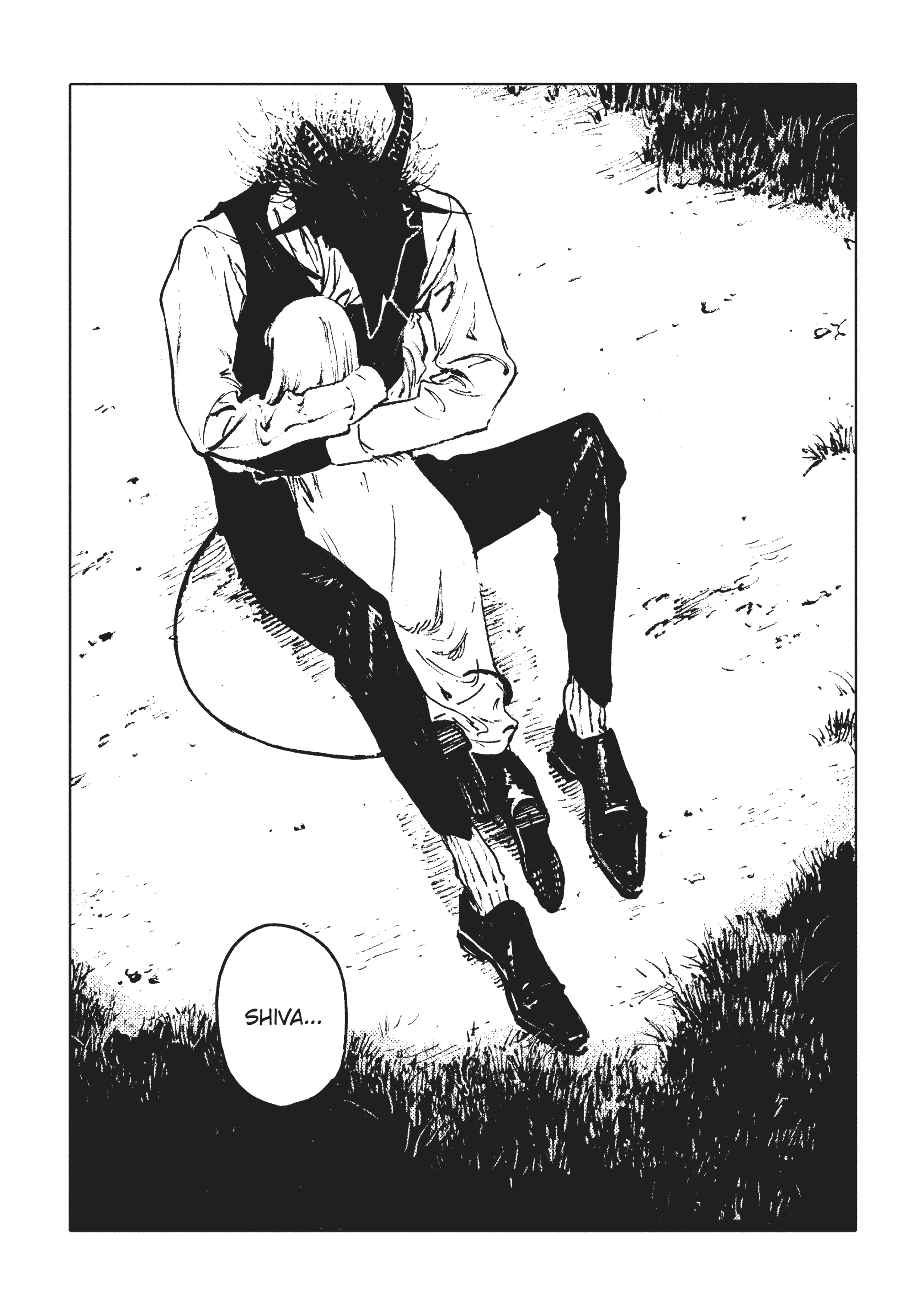
The art style demands attention immediately, though it never performs for the sake of spectacle. Nagabe's visual approach is stripped-down and skeletal in places, with rough but expressive lines that feel barely contained on the page. The stark black-and-white contrast creates a world where shadows don't just suggest darkness. White space dominates the compositions, leaving vast stretches of emptiness that make every figure feel isolated as if its adrift in a world too large and too cold to offer comfort. The most incredible thing about the artwork is how it refuses to provide safety. Even in moments of warmth like Shiva laughing, Teacher carefully preparing tea, the two of them sitting together by firelight; the panels maintain a careful distance. Faces are often obscured by shadow or angle. Backgrounds dissolve into vagueness. There's a persistent sense that clarity itself might be dangerous, that seeing too much would somehow break the fragile spell holding this world together. The visual language mirrors the emotional truth at the story's core: nothing here is certain. The art doesn't invite you to settle in or feel comfortable. Instead, it asks you to exist in a state of perpetual unease, where even beauty carries an undertone of sorrow. Teacher's cursed form is elegant and embodies this perfectly. There is something tragically lovely about his design, something that makes his inability to touch Shiva not just sad but unbearable. The way Nagabe draws touch or rather, the absence of touch becomes its own form of visual torture. Hands hover around and figures stand just out of reach. The space between characters becomes charged with longing, with all the affection that cannot be expressed through contact. You feel the weight of that distance in every carefully composed panel where Teacher and Shiva exist in the same frame but cannot bridge the gap between them.
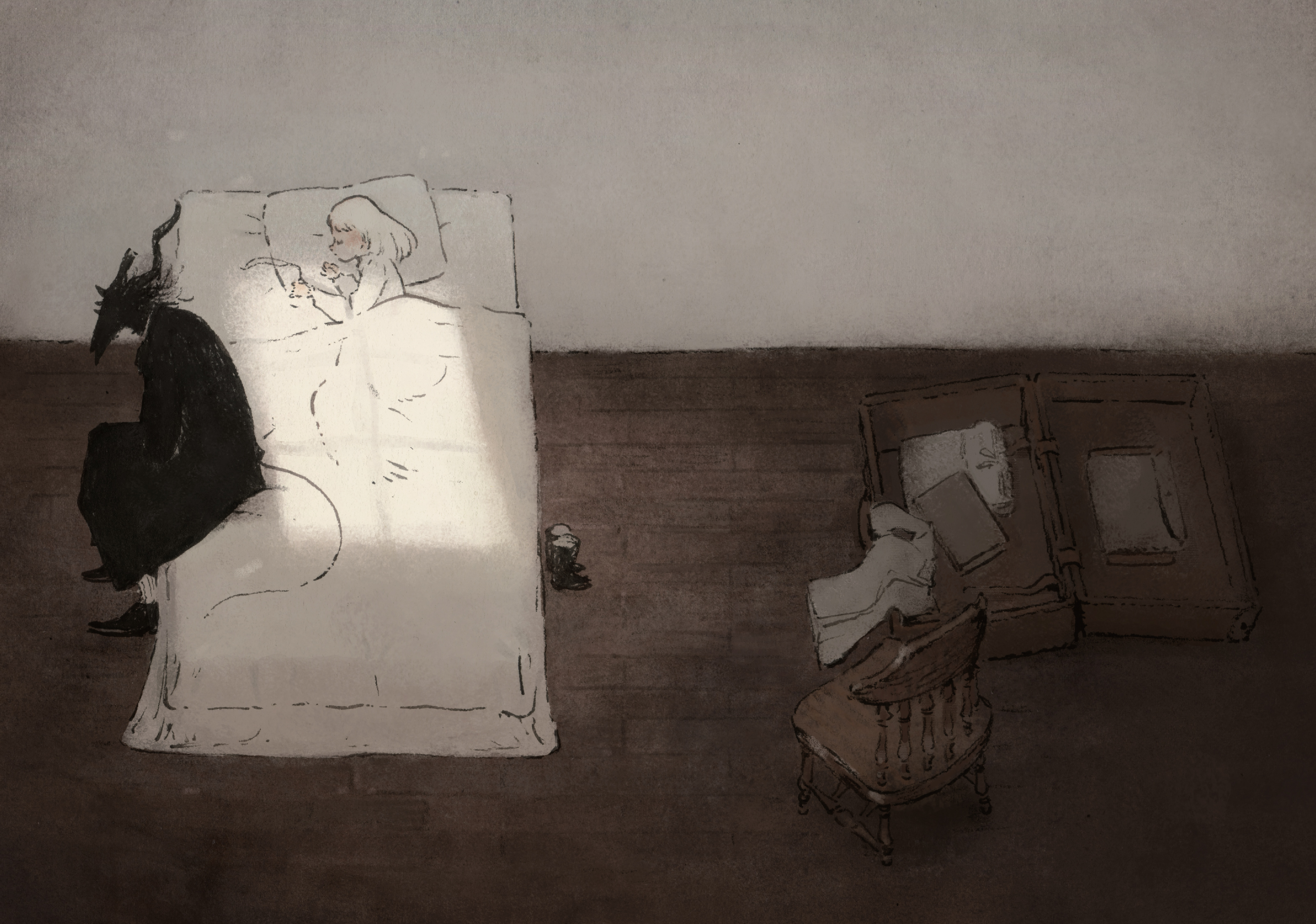
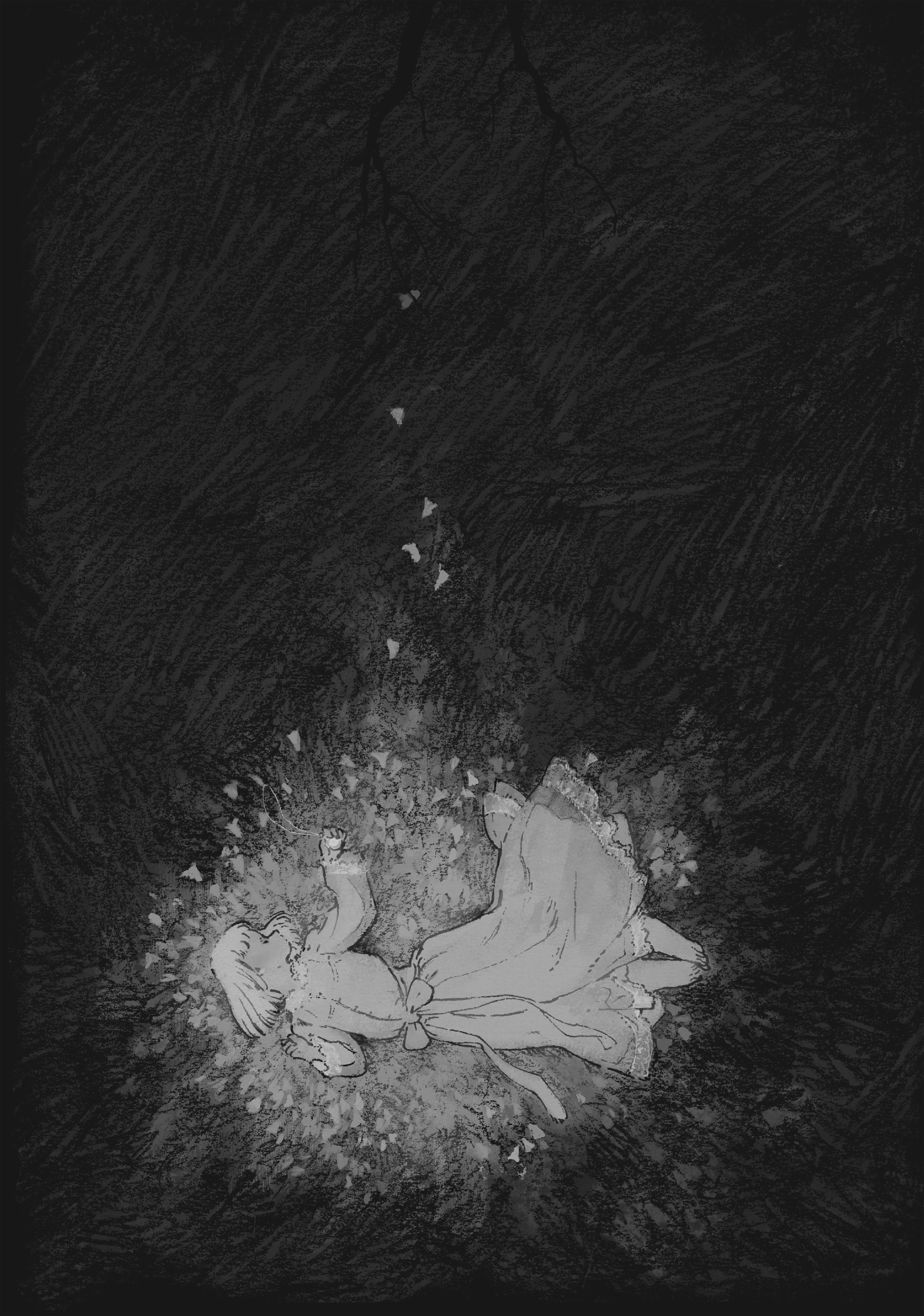
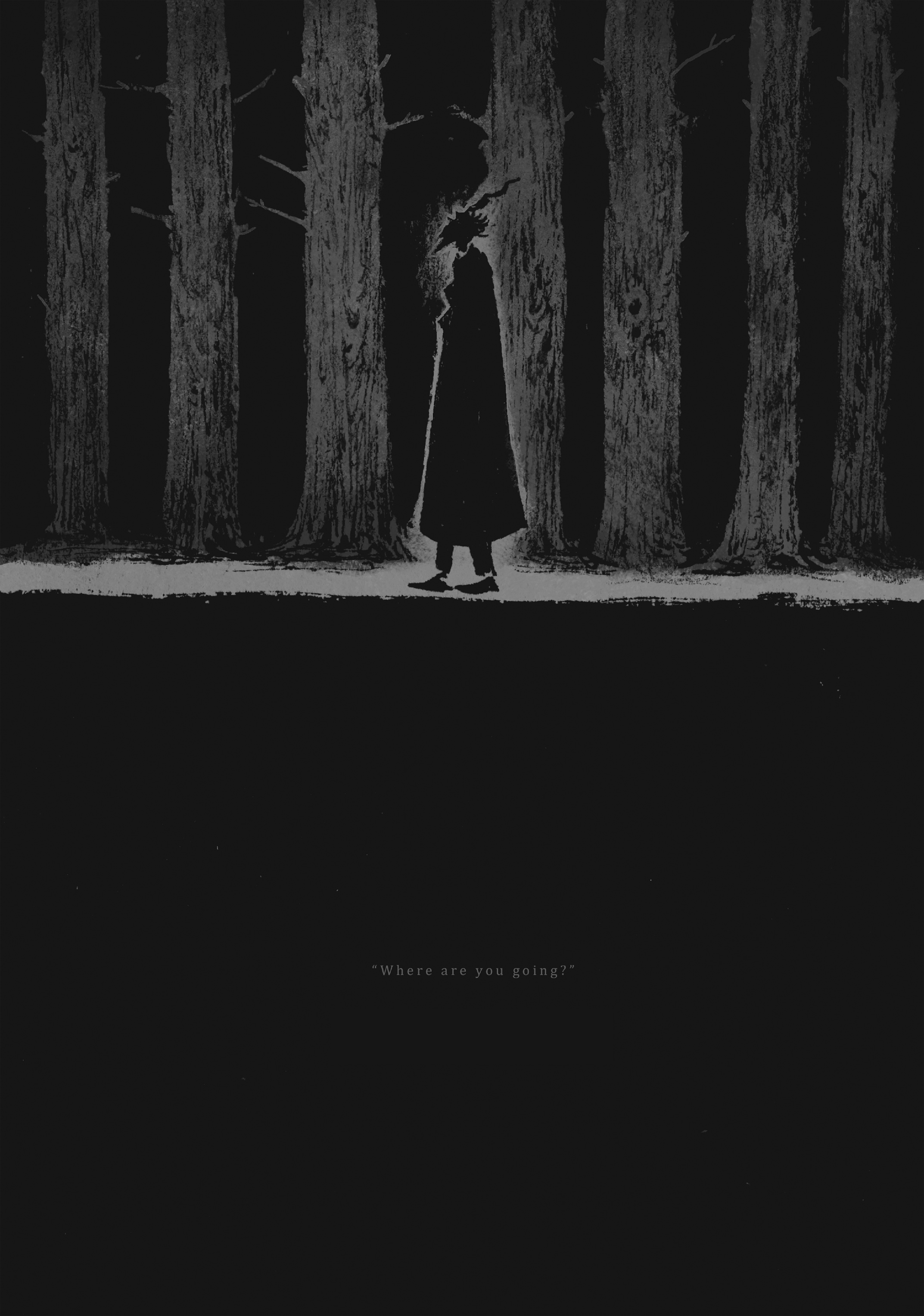
The story itself unfolds with the unhurried cadence of a fairy tale told at dusk. It does not rush to explain its world. It does not feel the need to justify its rules through exposition. The curse, the division between Inside and Outside, the nature of the transformation, all of it exists in a state of deliberate ambiguity. We learn what we need to know when we need to know it, and often we learn it through implication, through the way characters speak around truths rather than stating them directly. This approach could feel frustrating sometimes, but here it is essential. The vagueness is a feature which reinforces the idea that this world operates on dream logic and emotional truth rather than mechanical consistency. The rules matter less than what they mean. The curse is not interesting because of how it works, but because of how it isolates, transforms and how it forces choices no one should have to make.
The narrative structure itself mirrors this fairy tale quality. Events spiral outward slowly, revealing layers of history and mythology that deepen the world without ever fully demystifying it. We learn about the gods, about the origins of the curse, about the people who came before but these revelations feel less like answers and more like new questions, new layers of tragedy to comprehend. The story doesn't build toward a singular revelation that recontextualizes everything. Instead, it accumulates weight, emotional and thematic, until the burden becomes almost too heavy to bear. This approach is effective because it trusts the reader. The manga never holds your hand and pauses to make sure you've understood. It assumes you're willing to sit with ambiguity and willing to feel your way through darkness rather than demanding light. This creates a reading experience that feels deeply personal and meditative. You're not consuming a story so much as you're inhabiting one, letting it wash over you in waves of emotion and atmosphere. The mystery at the heart of the narrative is less about uncovering hidden truths and more about learning to exist alongside the unknowable. Yes, there are questions about Shiva's origins, about the nature of the curse, about what will ultimately happen to our protagonists. But the story seems to suggest that seeking too many answers might itself be dangerous, that some things are better left partially obscured. It understands that certainty can be corrosive and the need to know everything, to control everything, to make everything make sense is part of what led to the cursed world in the first place. The Inside people in their fear of corruption, in their desperate need to maintain purity, created the very divisions that make suffering inevitable. The dread that permeates is never loud or obvious. There are no jump scares, no moments of explosive horror. Instead, the unease seeps in slowly, accumulating in the margins, in the spaces between panels. It lives in the rules that govern this world — don't touch, don't cross the boundary, don't let the Outside corruption spread. It lives in the way characters move carefully, always conscious of their proximity to one another, always aware that a single moment of carelessness could destroy everything.
This is dread as atmosphere rather than event. It's the knowledge that safety is conditional and temporary, that every peaceful moment exists on borrowed time. Even when nothing bad is happening, you can feel the weight of what could happen and the inevitability of change pressing down on every scene. It makes you hyperaware of how easily Shiva could be hurt, how precarious Teacher's control over his cursed nature might be and how thin the line is between preservation and loss. This atmospheric dread is so effective becuase it coexists with genuine tenderness. The story never lets fear erase the beauty of what Teacher and Shiva share. Their bond remains luminous even as darkness presses in from all sides. This creates an almost unbearable tension. You want to believe they can sustain this, that love alone might be enough to hold the world at bay, but you know in your bones that it won't be. The dread comes not from anticipating violence but from anticipating change, the inevitable moment when this fragile equilibrium finally shifts. The world-building enhances this sense of creeping unease. The Inside, with its rigid rules and fearful populace is oppressive. The Outside, with its cursed beings and dark forests, feels dangerous in its wildness. But neither space offers true safety. The real horror is that there is no sanctuary, no place where fear does not reach. Even Teacher's cottage, their small haven, is only safe through constant vigilance and through the careful maintenance of boundaries that could fail at any moment.
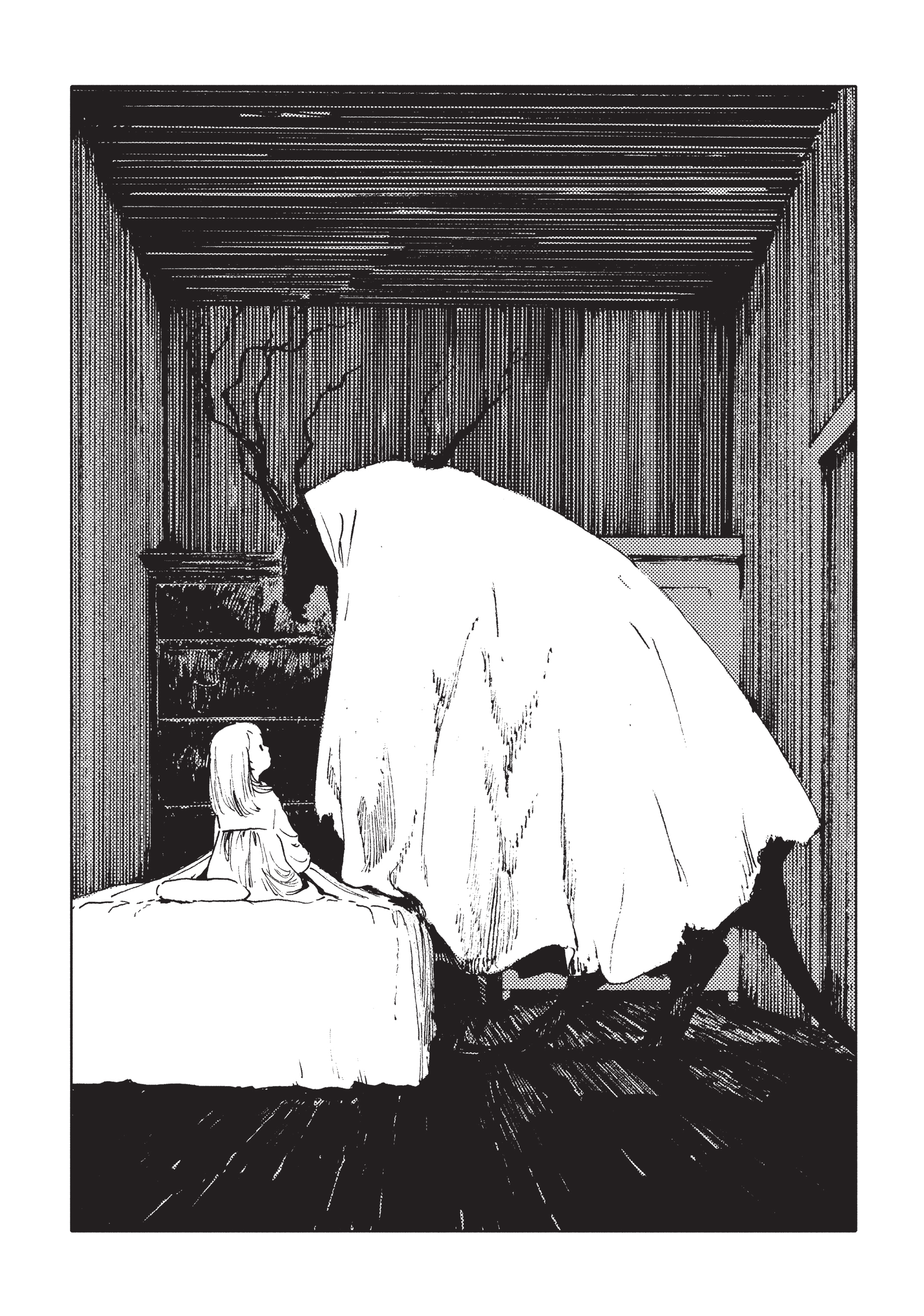
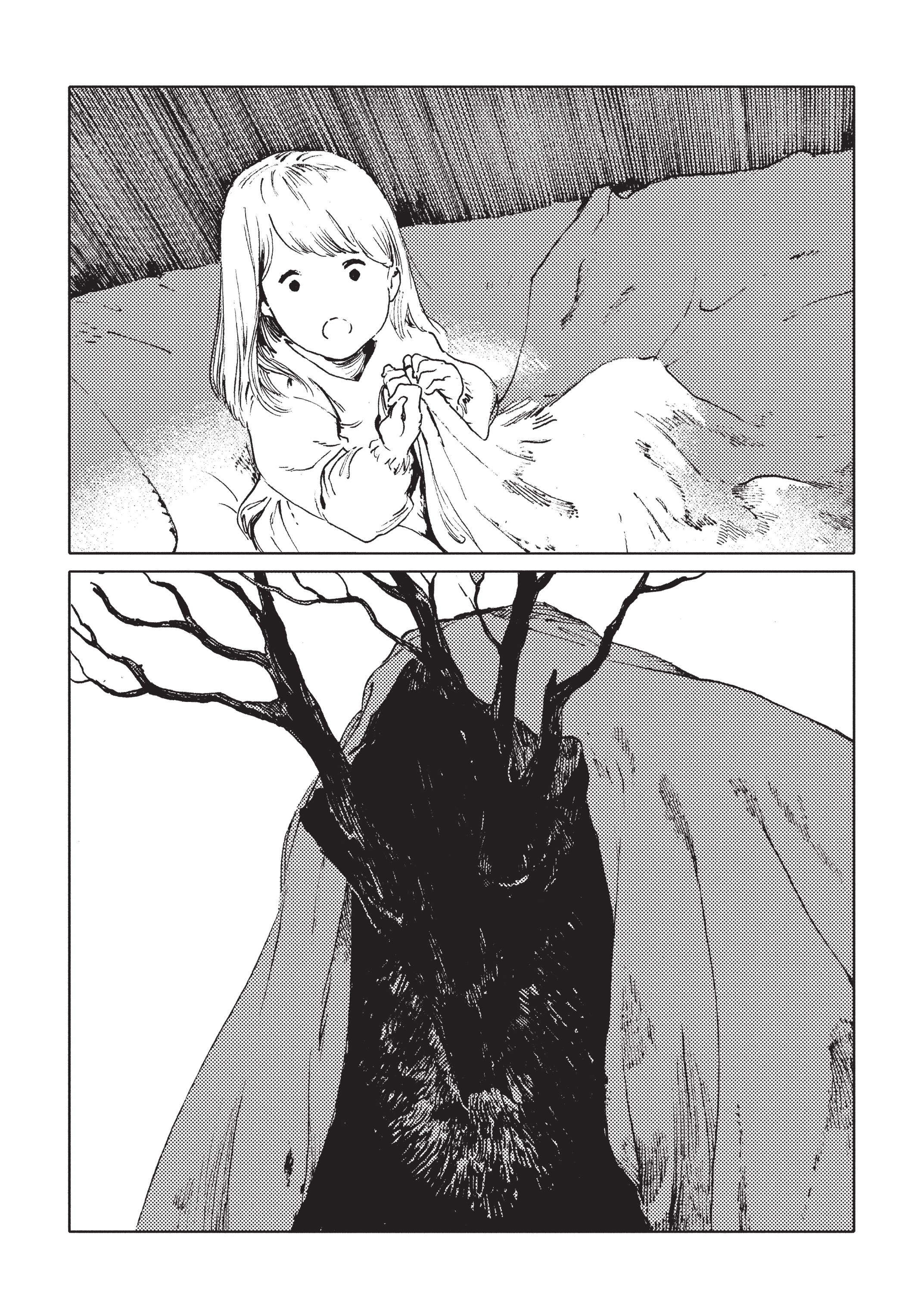
At the center of everything are the characters, and it's here that the story achieves its greatest emotional devastation. Teacher and Shiva's relationship forms the emotional architecture upon which everything else is built, and it's a relationship defined by impossible gentleness in an ungentle world. Teacher is one of the most achingly portrayed characters. His design alone tells a story. The elegant, almost statuesque cursed form, the horns and darkness that mark him as a outsider but the careful way he moves is as though he's afraid that his very presence might cause harm. He is so careful and so determined to be good despite existing in a form that the world has declared monstrous. His love for Shiva is entirely selfless, but it's also laced with sorrow because he knows, perhaps better than anyone, how fragile their situation is. The dignity he maintains despite everything is beautiful. He never self-pities. He never rages against the unfairness of his situation. Instead, he simply tries day after day to create something good from circumstances that should allow for nothing but despair. His gentleness is a defiant act of care in a world that has abandoned caring. The moments where his composure cracks are devastating precisely because they're so rare. When fear or grief or love overwhelms him, when the mask of calm caretaker slips just slightly you feel it in your chest. It never needs to overstate his emotion. A slight tremor in his posture, a moment of hesitation, and you understand the weight he carries. Shiva on the other hand, embodies a kind of innocence that is almost impossible in this world. She is not naive. She understands on some level, the danger surrounding them but she has not yet learned to let fear define her. Her love for Teacher is uncomplicated, pure in the way only a child's love can be. She does not question why she should love him. She simply does, completely and without reservation. She is not merely cute or precious — though she is those things — She is also fully realized with her own inner life, her own capacity for understanding and feeling. Her determination to stay with Teacher, her willingness to sacrifice and moments of surprising strength are not anomalies but essential aspects of who she is.
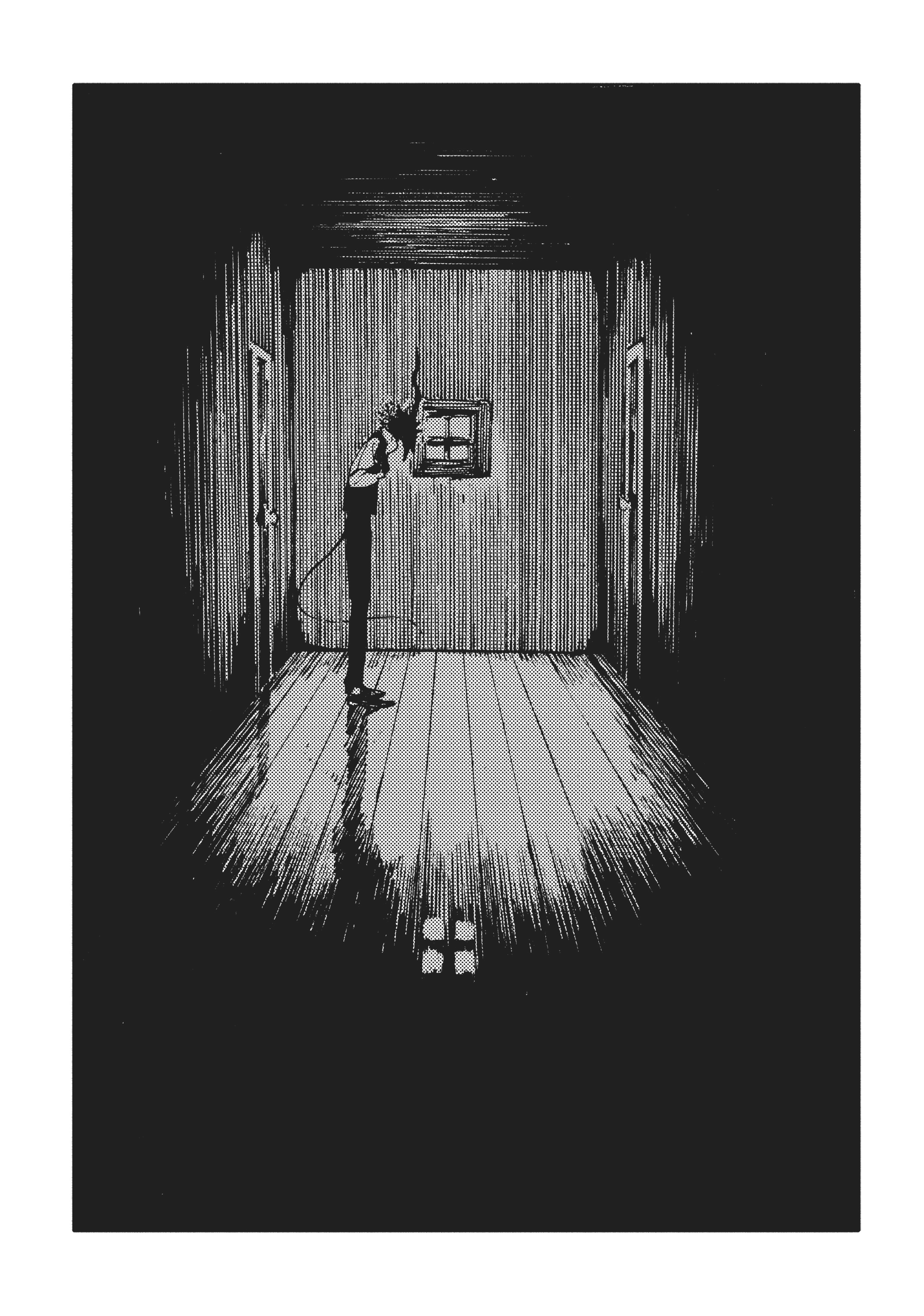
The tragedy of their relationship is that it's doomed not by malice but by nature. There is no villain actively working to separate them (or rather, the real villains are fear itself, the structures of hatred and division that created this cursed world). The danger comes from inevitability, from the fact that the curse exists, that touch is deadly, that the world has been broken in ways that make their love impossible to sustain. Watching them together is like watching something beautiful and temporary, like a sunset. You treasure every moment while knowing it cannot last. It wrings profound emotion from the simple act of watching them exist in the same space, of seeing Teacher prepare meals Shiva enjoys, of watching her reach for him and stopping just short of contact. These small, domestic moments become unbearably poignant when set against the larger context.
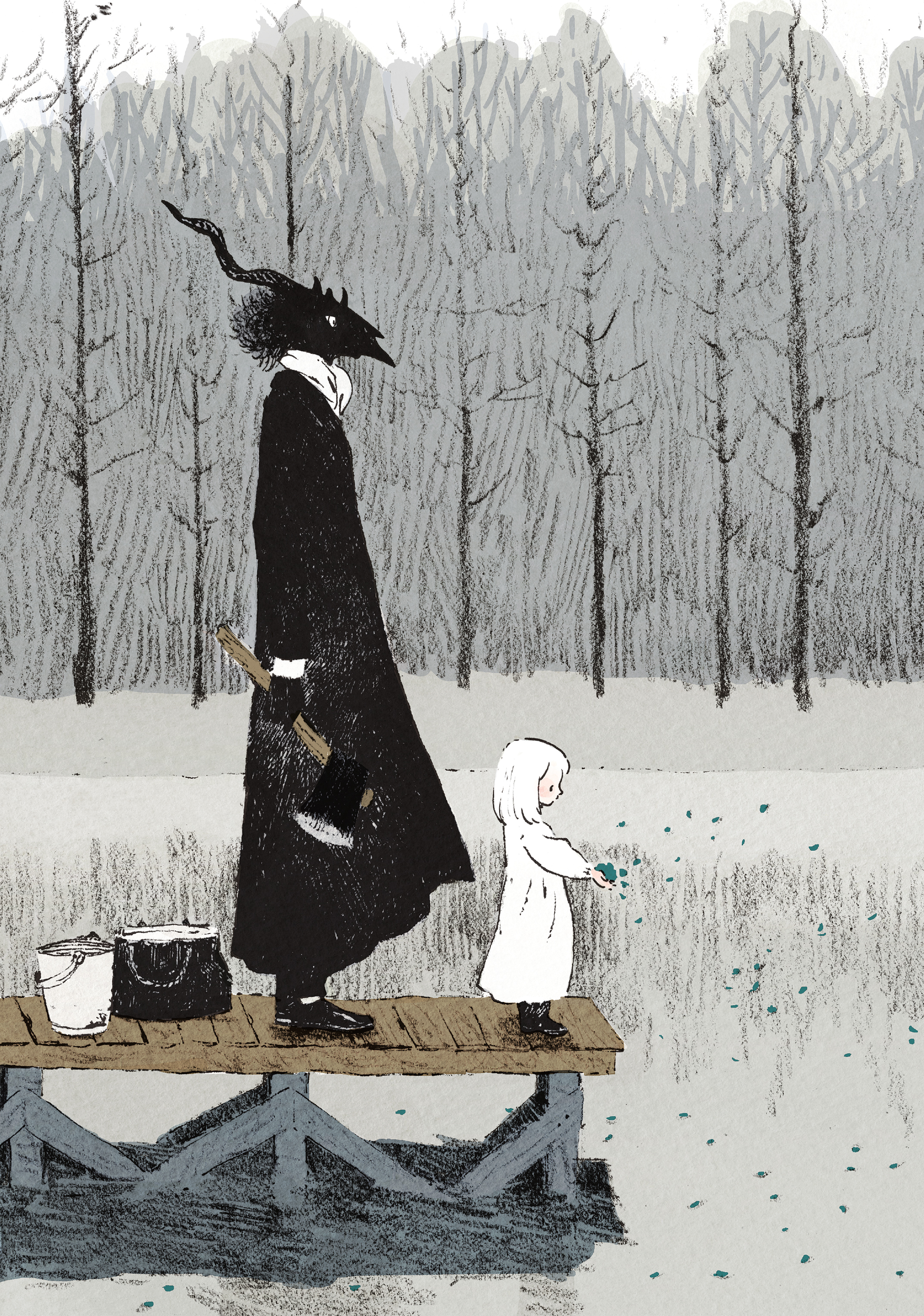

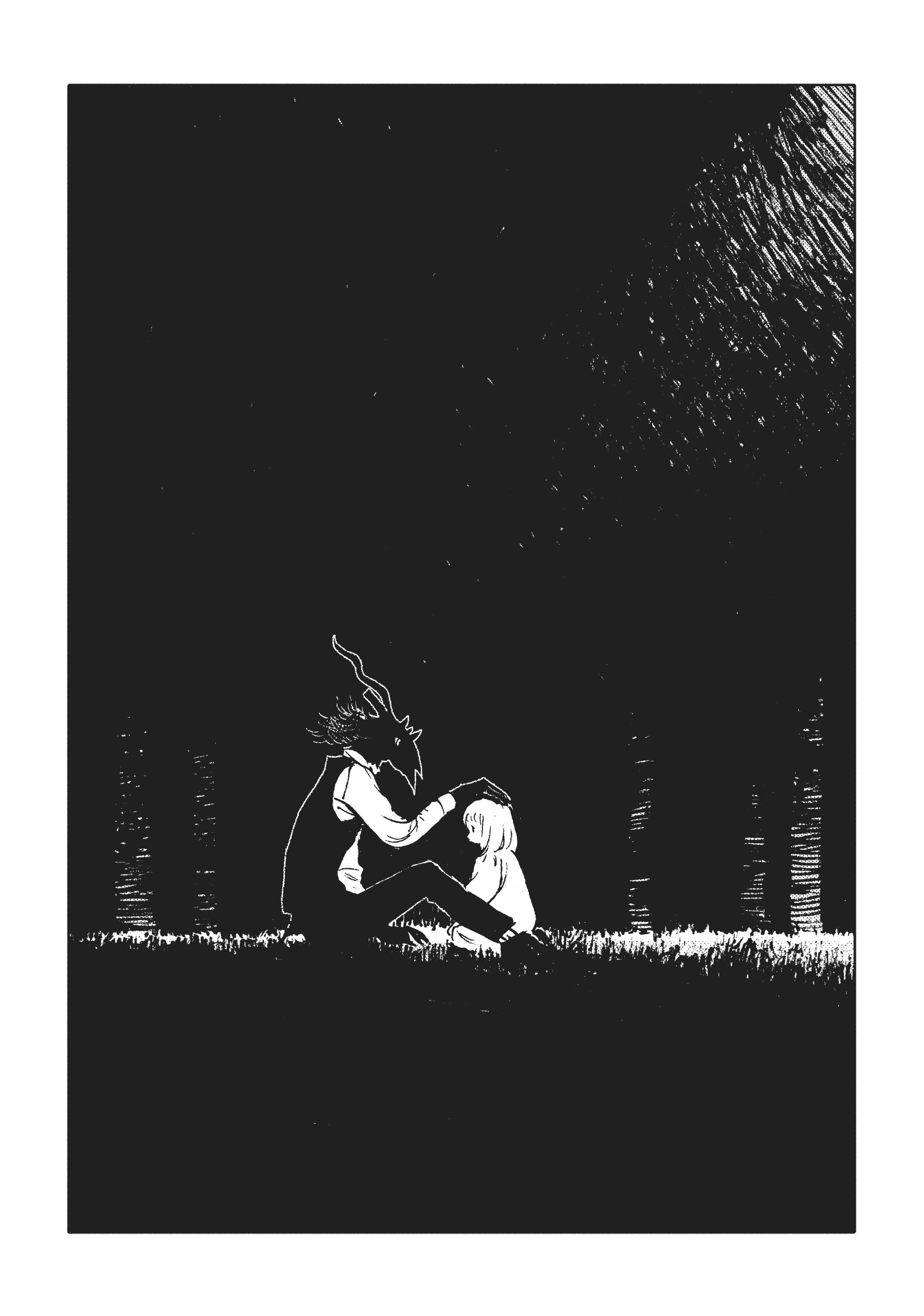
The supporting characters add depth and dimension to this central relationship without ever overwhelming it. Each figure who enters the story brings their own perspective on the curse, their own way of coping with a broken world. Some, like the Soldiers, represent the cruelty born from fear. Others, like the various cursed beings Teacher encounters, reflect different possible futures, different ways of losing oneself to the curse's transformative power.
What the manga does beautifully is show how isolation and fear corrupt. The Inside people who are so desperate to maintain their purity have become rigid, cruel and willing to sacrifice children rather than risk contamination. Their fear has made them monstrous in a different way than the curse ever could. In that way the cursed beings are more truly human than those who remain physically untouched. This thematic undercurrent runs throughout the work that humanity is not about form but about choice. Teacher in his cursed body is more human than the soldiers who hunt him. Shiva in her innocence understands love better than the adults who abandoned her. The real transformation is not physical but spiritual, and it happens through fear. hatred and through the willingness to hurt others in service of self-preservation.
As the story progresses and the mythology deepens, we learn that the curse itself may have divine origins, that gods and sacrifices and ancient war underlie everything. But these revelations never feel like they're explaining away the mystery. Instead, they add weight and suggest that the suffering we're witnessing is part of a cycle that predates any of the current characters, that the tragedy is built into the foundation of this world. The pacing of these revelations is masterful. Information comes slowly, often through fragmented stories or partial explanations. You piece together the history of this world the way you might piece together a broken pot, finding shards that suggest the whole but never quite completing it. This approach keeps the story feeling mysterious even as it provides answers. It keeps the sense of the numinous and the unknowable alive even as the world becomes more defined.
When the end finally arrives, it doesn't shock so much as it settles over. The conclusion is not about surprise twists or last-minute reversals. It's about emotional honesty, about following the story's internal logic to its natural, heartbreaking conclusion. The story chooses truth over comfort, accepts that some things cannot be fixed, that love is real and does not always save us in the ways we want it to. There is sorrow in the ending, yes, but there is also acceptance. A recognition that what Teacher and Shiva shared was important. It was real and valuable and beautiful, even if it could not last forever. The story seems to suggest that perhaps meaning is not found in permanence but in the quality of what we experience and in the connections we make. Its the care we show even when we know it won't be enough to change the fundamental nature of the world that matters in the end. This stance is what elevates The Girl From the Other Side from a sad story to a genuinely affecting meditation on love, loss, and the value of tenderness in a harsh world. It doesn't flinch from tragedy, but it also doesn't wallow in nihilism. Instead, it finds something sacred in the attempt to love even when love brings pain. The final pages maintain the visual restraint that defined the entire work. There is no melodrama, no excessive emotion wrung from the panels. Just quiet, careful images that let you feel the weight of everything that's happened and of everything that's been lost, everything that will be remembered. The art which has been so spare and distant throughout, feels even more so at the end as though the story itself is withdrawing, leaving space for you to sit with your own emotions.
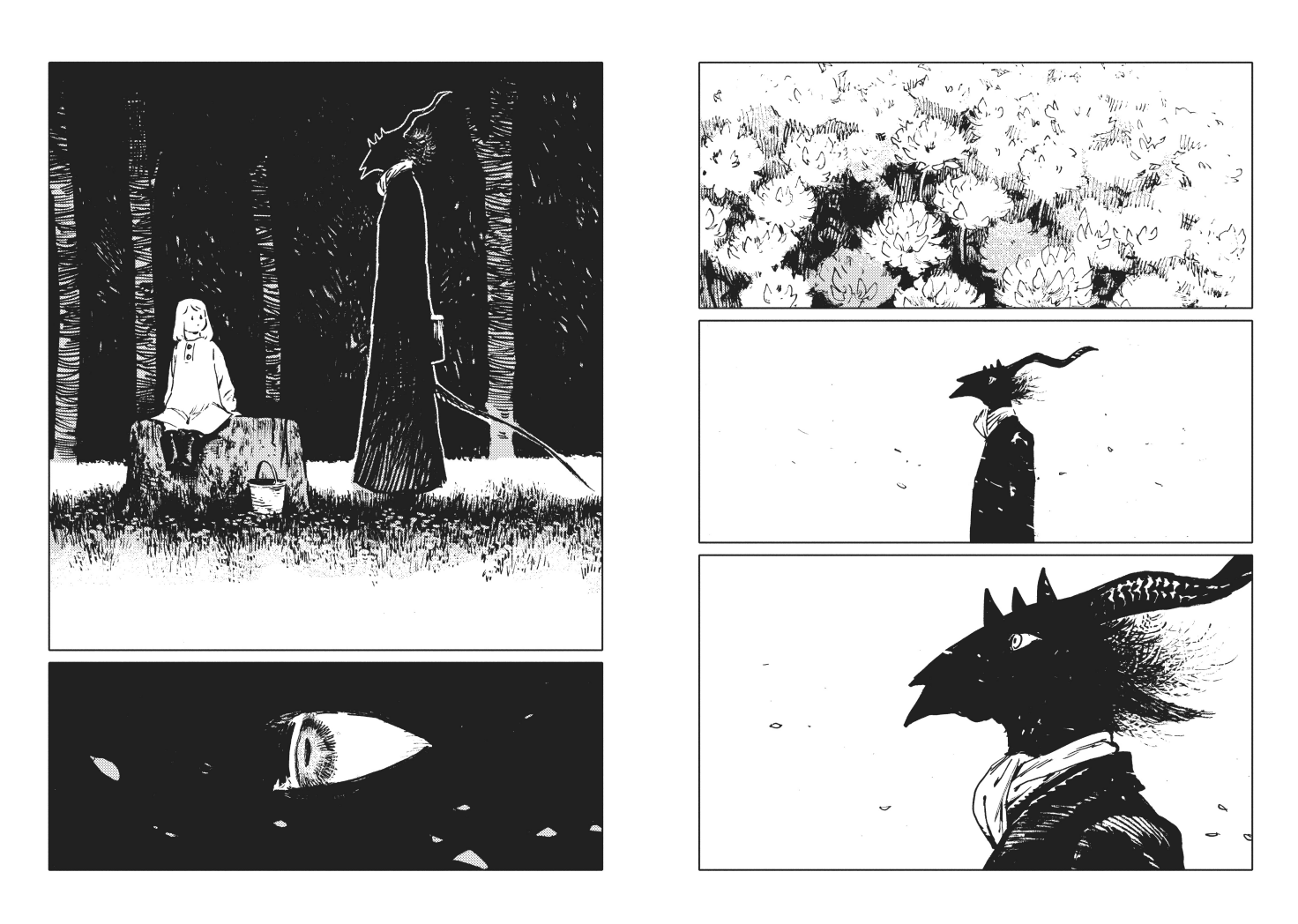

In its totality, The Girl From the Other Side: Siúil, a Rún feels like a folktale transcribed from memory. It is a story about impossible tenderness, about care without possession, about choosing gentleness in a world that offers little reason for gentleness to survive. It does not demand that you understand every element perfectly. It only asks that you sit with it, that you let it work on you slowly, that you carry it with you after the final page. This is a story that understands that not everything needs to be saved and that some losses are inevitable but that the love we give even when it leads nowhere or even when it ends in grief still matters. It mattered to Teacher. It mattered to Shiva. And by the end, having witnessed their story, it matters to us too.
11.5 out of 12 users liked this review
