"I know that suicide is one of the deadly sins. But being unhappy is a great sin too. When you're unhappy, you hurt other people. "
— Taste of Cherry (1997) (Dir. Abbas Kiarostami)
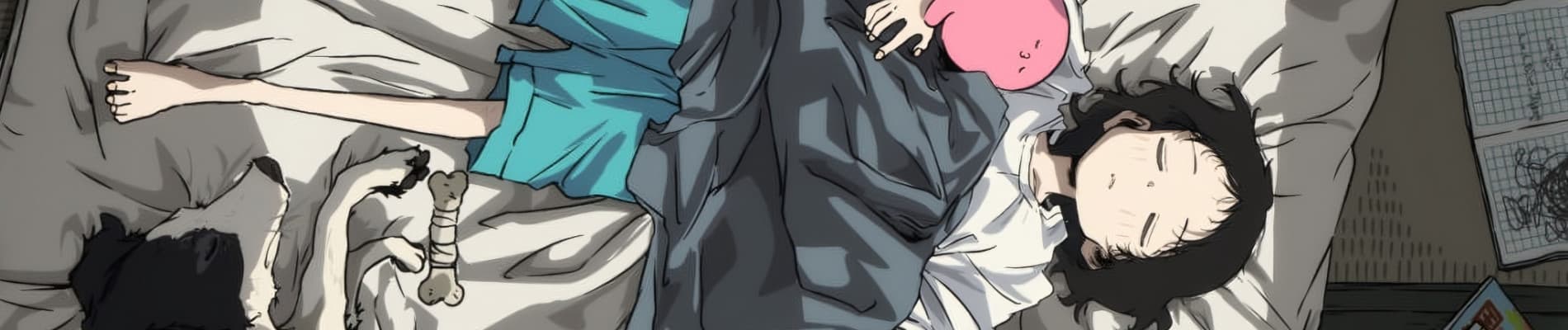
"Takopi's Original Sin" is a visceral experience that takes direct reference from the story of Pandora in Greek mythology. In that myth, Pandora’s innocence and curiosity led her to open the box containing all the pain and suffering of humanity, leaving only "Hope" trapped inside. In this 2025 adaptation, Takopi acts as our Pandora—an alien whose "innocent" desire to spread happiness inadvertently uncaps a reservoir of human trauma he isn't equipped to understand.
The series also heavily mirrors the "Consumption of the Forbidden Fruit" mentioned in the Bible. In the Garden of Eden, God (who we can see as "Mother Happian") commanded Eve and Adam to consume everything except the "fruit of knowledge and pain". However, tempted by a serpent, they took a bite and brought shame into the world. In the anime, the "Happy Planet" represents this Eden—a place devoid of the complex, agonizing reality of human emotion. When Takopi descends to Earth, he acts as a catalyst for this "fall." He offers gadgets that promise a quick fix for misery, but just like the biblical fall, every "fix" only brings more shame, more violence, and ultimately, an expulsion from the childhood innocence that should have been these characters' birthright.
Overall, this is one of those stories that you watch once and never ever want to stay in its vicinity again. The way such dark themes were portrayed in such a short timeframe—spanning only six episodes—is truly commendable. It manages to be "lacerating" in its delivery, forcing the viewer to confront the darkest corners of the human psyche. The jarring contrast between the cute, rounded character designs and the horrific domestic situations creates a sense of cognitive dissonance that makes the viewing experience even more unsettling.
It once again proved that children are just a byproduct of the adults, and their consumption of their surroundings truly depends on their respective upbringing. We see this cycle play out through Shizuka and Marina; their cruelty and despair are not inherent, but are reflections of the barbarity of parental abuse and systemic ignorance. Takopi’s gadgets are useless because they try to solve deep-seated psychological wounds with superficial magic. It highlights the tragedy of a child trying to fix an "adult" world with tools they don't understand.
My heart goes out to all those kids who are trapped under the barbarity of such parental abuse and ignorance. It isn't just a "dark" story, it is a terrifyingly accurate look at how trauma is inherited and passed down like a curse. It leaves you with a lingering sense of emptiness, proving that sometimes, "knowledge" is indeed a burden that once tasted, can never be forgotten. It is a masterpiece of discomfort that stays with you long after the final frame.
43 out of 46 users liked this review