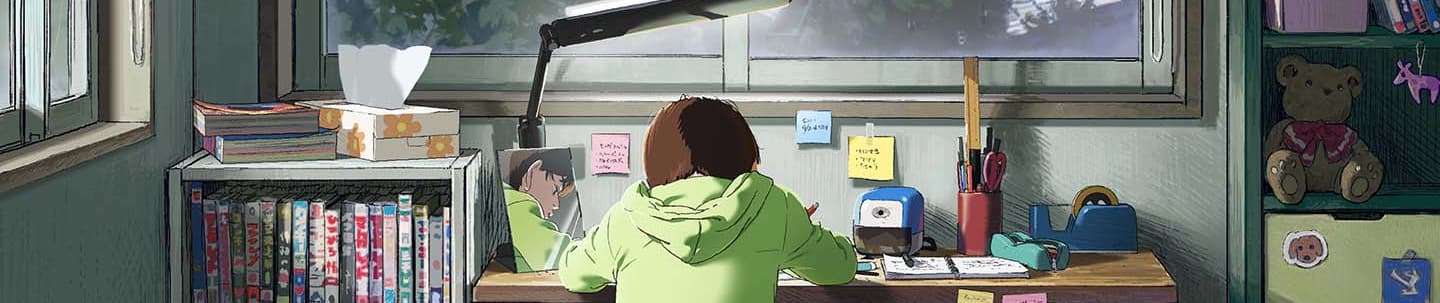
An eye-pleasing, poignant story about an artist and their fan, "Look Back" explores a bond that transcends simple friendship, showing two souls inspiring and compelling each other to face their dreams and nightmares alike in a symbiotic fashion. The film is a masterclass in atmospheric storytelling, where the soul-quenching scores from Haruka Nakamura almost narrate the movie synopsis in its entirety, providing a melodic heartbeat to every brushstroke and every moment of silence. It is rare to find a soundtrack that doesn't just accompany the visuals but actually breathes alongside them, capturing the frantic energy of a deadline and the hollow ache of a sudden loss.
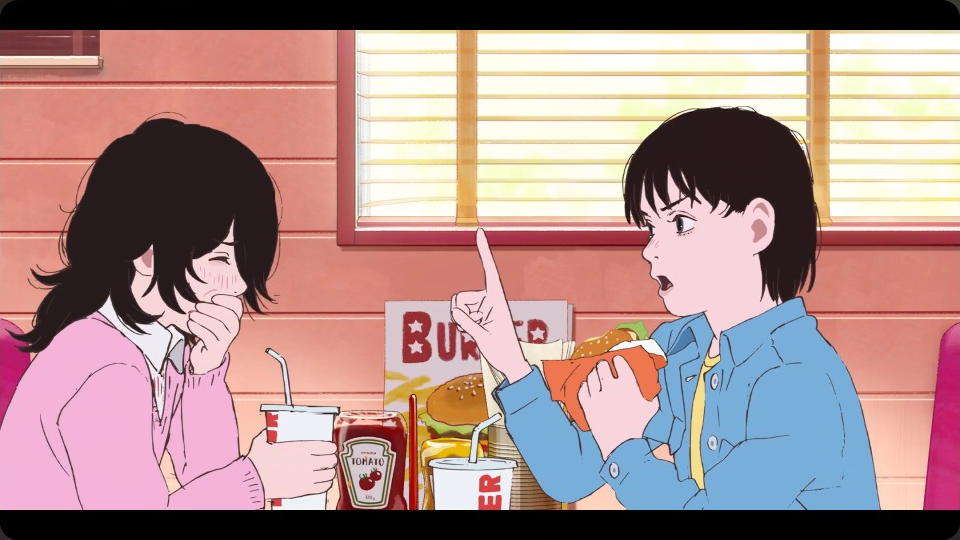
"Look Back" is a visually stunning haven of metaphors that runs so deep and creeps up on you suddenly with a fatal strike. In the end, it leaves your bones broken with an axe struck on your back—a literal and figurative wound that the viewer is forced to carry long after the credits roll. The most obvious and perhaps most painful metaphor lies in the names of the two protagonists themselves: Fujino and Kyomoto. When fused together, they create "Fujimoto," Tatsuki Fujimoto. This subtle detail makes the story even more tough to swallow, as it reveals that this isn't just a fictional drama, but a raw, bleeding confession of a creator’s internal struggle. It is a dialogue between the side of an artist that seeks validation and the side that is paralyzed by the sheer terror of being seen.
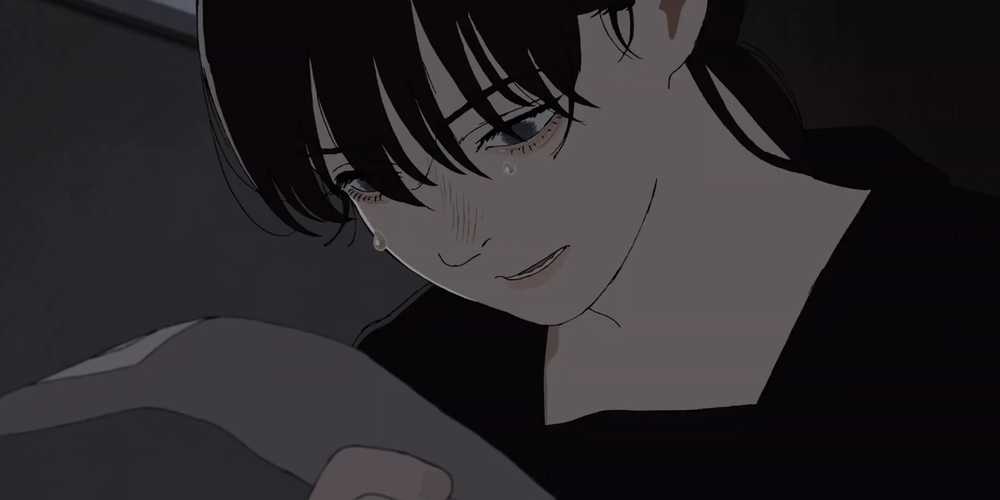
The film brilliantly captures the "back" of the artist—the hunched shoulders over a desk, the years of isolation, and the physical toll of creation. We spend so much time looking at Fujino’s back as she draws, making the eventual tragedy feel like a personal betrayal of the sanctuary she built. The "Look Back" of the title becomes a haunting command; it is an invitation to revisit every "what if" and every sliding-door moment that could have changed their fate. When the narrative shifts into its more experimental, surreal sequences, the animation style morphs to reflect the instability of grief, proving that Tatsuki Fujimoto’s work is less about the plot and more about the jagged edges of the human heart.
Watching their relationship evolve from a childhood rivalry into a life-sustaining partnership is both heart-warming and devastating. Kyomoto’s shut-in nature and Fujino’s arrogant exterior are two sides of the same coin, both searching for a reason to keep moving forward in a world that often feels indifferent to art. The way the film handles the passage of time—through seasons changing outside a window while the characters remain glued to their desks—is a testament to the dedication and the "original sin" of the creator. It reminds that for every beautiful page we read, there is a mountain of discarded sketches and a person who gave up their youth to create them.
It is a reminder that while art can be a source of immense pain and "fatal strikes," it is also the only thing that can bridge the gap between two people. Even when the axe falls and the bones are broken, the "symbiotic" spark they shared remains etched into the pages of their lives. It is a crushing, essential watch that demands you acknowledge the ghosts behind the ink.
34.5 out of 39 users liked this review
