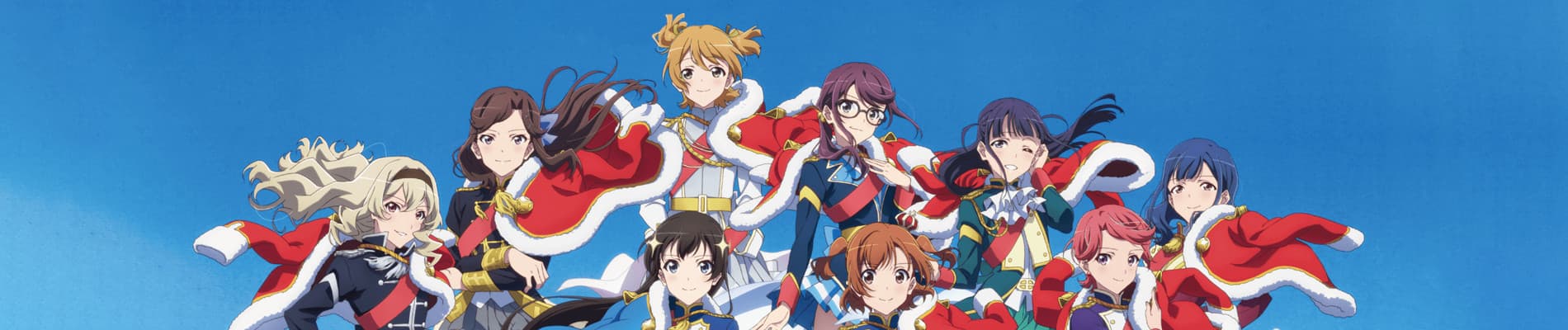
Revue Starlight: The Movie is not just a continuation of the 2018 series; it takes the story to a whole new level. The film literally explodes the stage, constructs it in the air, and challenges its characters (and the audience) to confront the profound question of what it truly means to bow down and move on.
At its core, Revue Starlight revolves around the concept of performance as identity. The girls of Seisho Music Academy are not merely competing to become the Top Star for fame; they are grappling with their place in the world when the curtain falls. This theme was explored in the TV series through surreal duels and theatrical metaphors, but the film takes it to its emotional and visual extremes. Graduation looms, and their stage is being phased out. In a blink of an eye, the focus shifts from winning to discovering who they are without this stage.
Visually, the film is simply breathtaking. Director Tomohiro Furukawa and studio Kinema Citrus fully embrace the theatrical abstraction of the franchise. Railroad cars traverse fantastical worlds, floods bring down stages into oceans of light, and duels unfold in areas stitched together with memory, regrets, and desires. Each revue is a spectacle, not just an empty clash. By exchanging swords, two girls are actually engaged in a battle over lapsed histories, divergent destinies, and unspoken fears of being left behind.
The animation during the revue sequences is also a visual delight. The movements are free and theatrical, and sometimes, the style of animation changes mid-action to reflect the emotional tension. The film is always in motion, as if the characters are propelled by an unstoppable momentum, just like time is driving them towards adulthood against their will. The movie poignantly captures the essence of growing up, likening it to being thrust onto a stage without even knowing your lines.
Revue Starlight at its musical peak, this franchise never shied away from grand, melodramatic tunes, but the movie’s songs are even larger, more eccentric, and emotionally raw. Each musical number feels like a heartfelt confession, with lyrics that delve into emotional monologues and vocal performances filled with desperation and determination that resonate deeply, especially with long-time fans who’ve been with these characters since the very beginning.
However, it’s the film’s emotional sincerity that truly sets it apart. Beneath the surreal imagery and grand stagecraft lies a dreadingly familiar theme: the fear of the blank page. Karen and Hikari find themselves at a crossroads, facing childhood dreams and uncertain futures alongside the rest of the cast. The film doesn’t offer easy solutions; instead, it suggests that true growth lies in taking a leap into the limelight, even if it’s terrifying.
Karen and Hikari’s relationship, the emotional core of the book, takes on a more complex and serious dimension in this movie. Their childhood promise to perform on stage becomes a source of strength that eventually weighs them down. Love, they discover, involves pursuing someone while also allowing them to pursue their own path, enabling both of them to shine in their own way. This mature, semi-sweet development feels earned rather than imposed.
Notably, the film gives every ensemble actor their moment to shine. Minor characters who might have been overshadowed now become subjects of their own identity and ambition struggles. Each character grapples with the same question that looms above them all: “What is my stage now?” Yet, they all answer it uniquely, creating a rich and authentic story.
44.5 out of 45 users liked this review