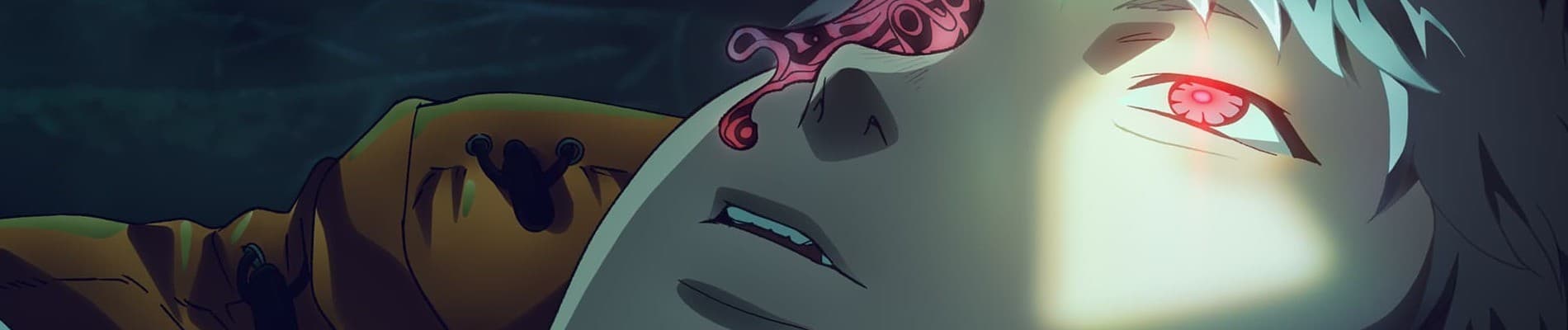




The setup is simple on paper. Two boys in a small rural town, Yoshiki and Hikaru, have that childhood-friends bond that’s clearly grown into something deeper, even if neither of them says it out loud. Then Hikaru dies on the mountain, and something else comes back in his body, acting just close enough to the original that Yoshiki can’t walk away. The story doesn’t rush that realization either; you feel Yoshiki fighting with himself, trying to pretend everything’s normal while the cracks keep widening. There’s a great early scene where the two of them sit together at sunset, talking almost casually, and the way “Hikaru” phrases one line is just wrong enough that Yoshiki freezes for a second — it’s subtle, but you feel the bottom drop out.
The town itself is a big part of why the manga works. It’s one of those places where everyone knows your parents, your business, and exactly how “normal” you’re supposed to be. Summer heat, cicadas, shrines, festivals — it all looks peaceful at first, but there’s this constant sense that the mountains and forests are watching, and that the village has quietly learned to live around something it doesn’t talk about. That “nice on the surface, rotten underneath” feeling matches Yoshiki perfectly: he’s the kid who smiles, jokes around, and then thinks about murder on the walk home.

The relationship between Yoshiki and “Hikaru” is where the manga really shines. Yoshiki knows, very early on, that Hikaru is dead. He’s seen the body. He knows this thing beside him isn’t human. But he’s so deep in grief and so starved for connection that he keeps choosing to stay anyway, even as the new Hikaru says and does things that no normal person would. It’s one of the better depictions I’ve seen of how love can warp into something self-destructive — you end up rooting for him and wanting to shake him at the same time.
On the other side, the “Hikaru” we see isn’t just a monster playing pretend. It’s curious, genuinely attached to Yoshiki, and very aware that it’s not supposed to exist. That combination makes it unnerving in a different way than just “evil entity”; it does kind things, asks innocent questions, and then casually talks about bodies or death in the same tone you’d use to talk about the weather. There are moments where you almost feel sorry for it, and then the manga reminds you what it actually is, and that emotional whiplash is part of the horror.


In terms of horror, it leans heavy on atmosphere more than outright gore. You get off details: bodies that don’t move quite right, injuries that don’t heal the way they should, eyes that stay just a little too empty. The art sells a lot of it — the black shadows, the way faces are framed, the contrast between bright summer days and quietly wrong scenes at night. It feels like hot-weather horror: the kind of story where you can almost feel the sweat and the thickness of the air while something unseen presses in.

That said, as a character-driven horror about grief, obsession, and the fear of being truly seen, The Summer Hikaru Died hits hard. It’s the kind of story where you come in expecting spooky rural folklore and end up stuck thinking about how far you’d go to keep a version of someone you already lost. 7.6 feels right for me: not flawless, not neatly wrapped up, but strong enough that I’ll remember certain panels and conversations long after I’ve forgotten much “scarier” series.
 ~~~
~~~