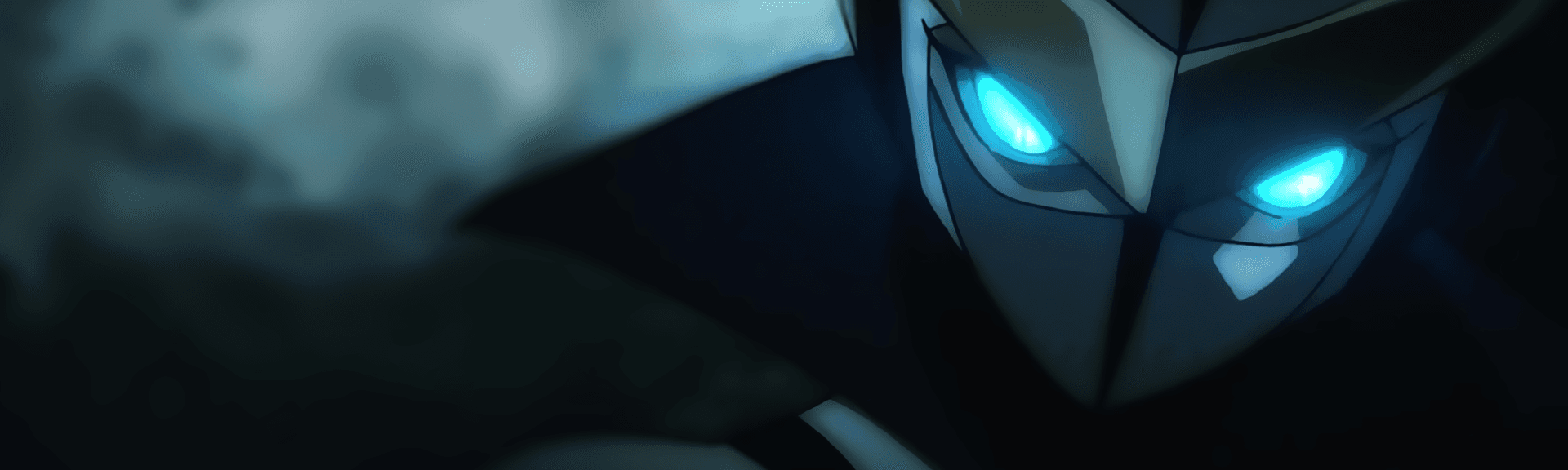
Casshern Sins
a review by Shervin0Z
a review by Shervin0Z
If you were immortal, would life still have meaning?
__
That’s the question Casshern Sins throws at you right from the start without ever giving you a clear answer.__
This isn’t an anime that’s trying to tell a straightforward story. Instead, it focuses on portraying guilt, death, decay, and the meaning of existence itself. It’s dark, depressing, and heavily philosophical, and from the very beginning, it makes it clear that this won’t be a simple or “fun” experience.
__
I’ll keep this review short and spoiler-free for those who are planning to watch it.
__
The strongest point of Casshern Sins is, without a doubt, its atmosphere.
A world slowly collapsing, washed-out colors, long stretches of silence, and melancholic music all come together to create a powerful post-apocalyptic vibe that really sticks with you.
The atmosphere is so strong that at times it even manages to mask the weaknesses in the narrative.
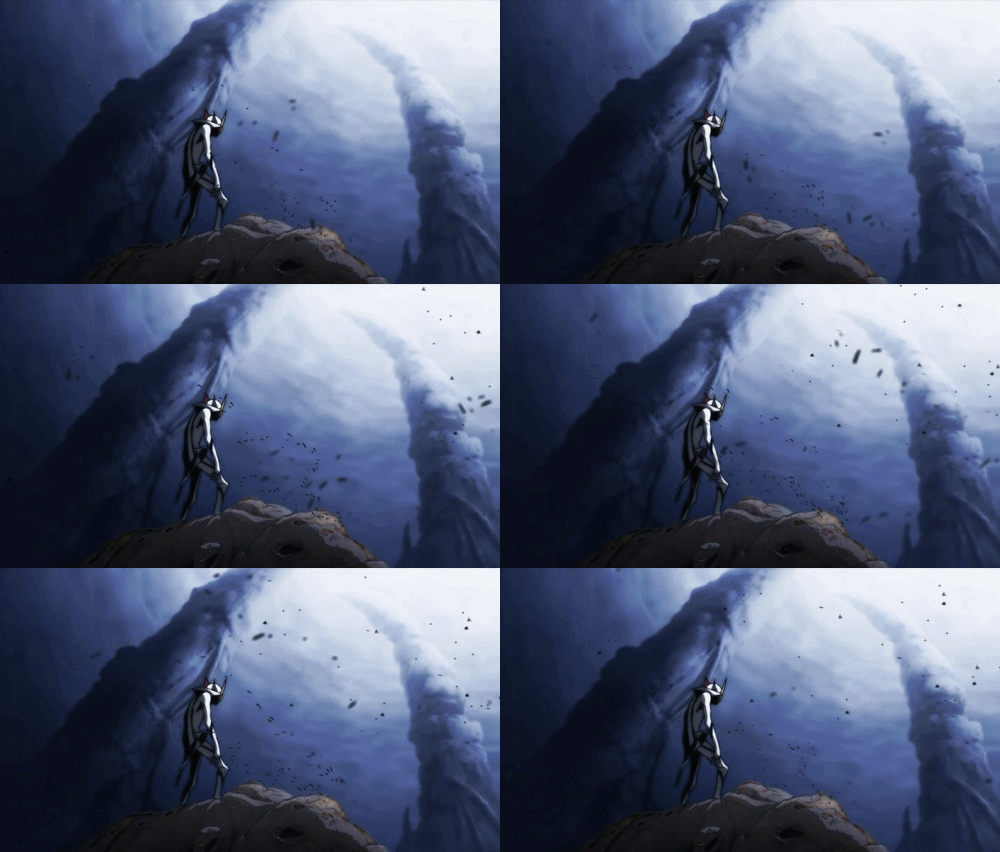
The narrative is very slow, minimalist, and philosophical. The story progresses in an episodic format, where each episode feels more like a philosophical parable than a part of a tightly connected plot.
The anime deliberately gives very little information, avoids direct explanations, and prefers to keep the viewer in a state of ambiguity.
For patient viewers who enjoy philosophical themes, this can be deeply engaging.
For many others, however, it can feel boring, confusing, and lacking any clear sense of progression.
Music plays a very important role in conveying feelings of emptiness, sorrow, and decay in Casshern Sins.
Most tracks are melancholic, minimalist, and repetitive, focusing more on emotional atmosphere than on creating excitement.
Some episodes use music extremely well—episode 8, in particular, has one of the most memorable scenes I’ve ever experienced in an anime.
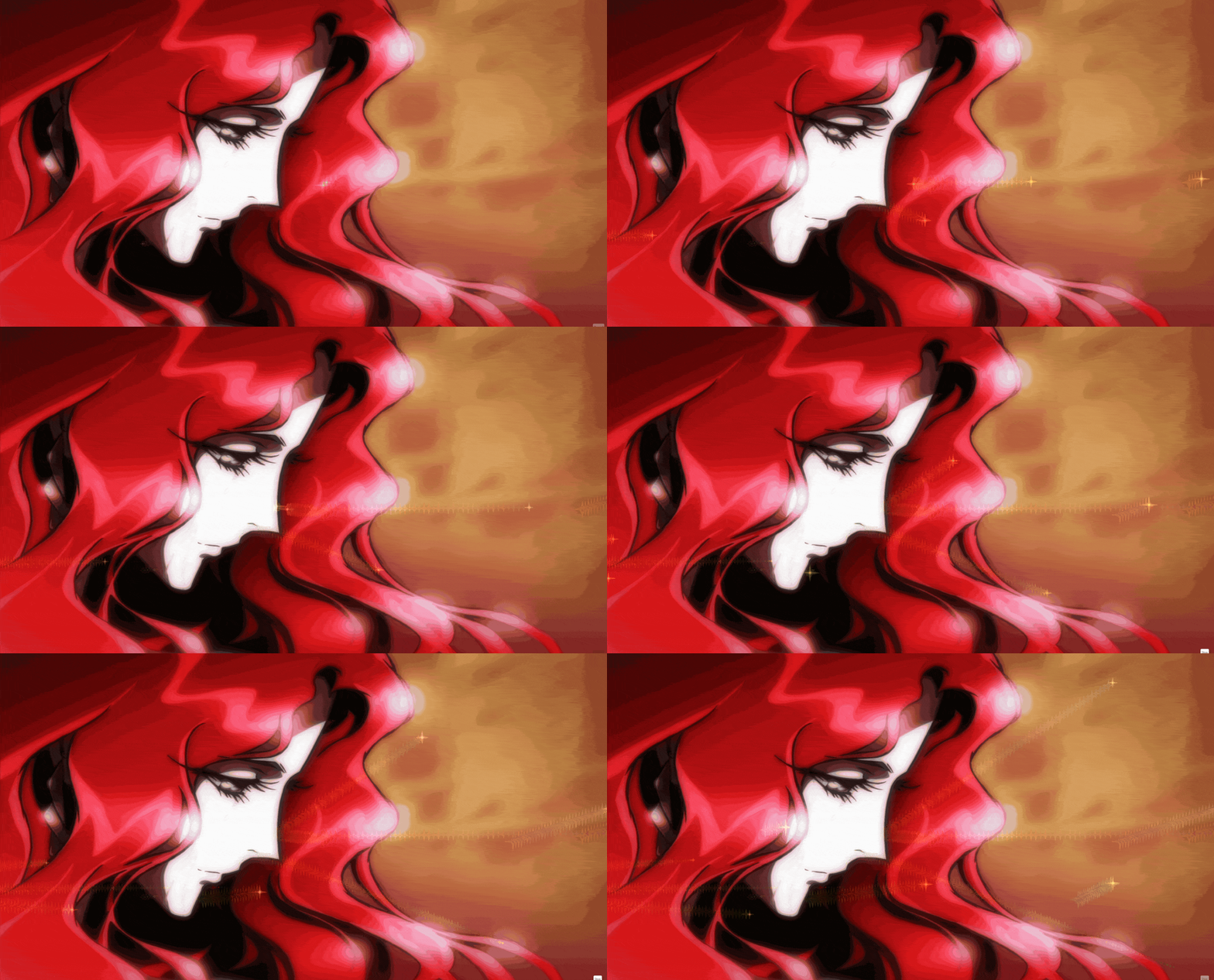
However, in other episodes, the choice of music feels oddly placed, where silence might have worked better than the tracks used.
One noticeable aspect of the anime is its heavy use of silence.
These long silences are clearly intentional and meant to convey emptiness and the feeling of a world nearing its end. Still, at times they slow the overall pacing too much, turning emotional weight into emotional exhaustion rather than impact.#
Here, I’ll briefly talk about some of the most important characters.
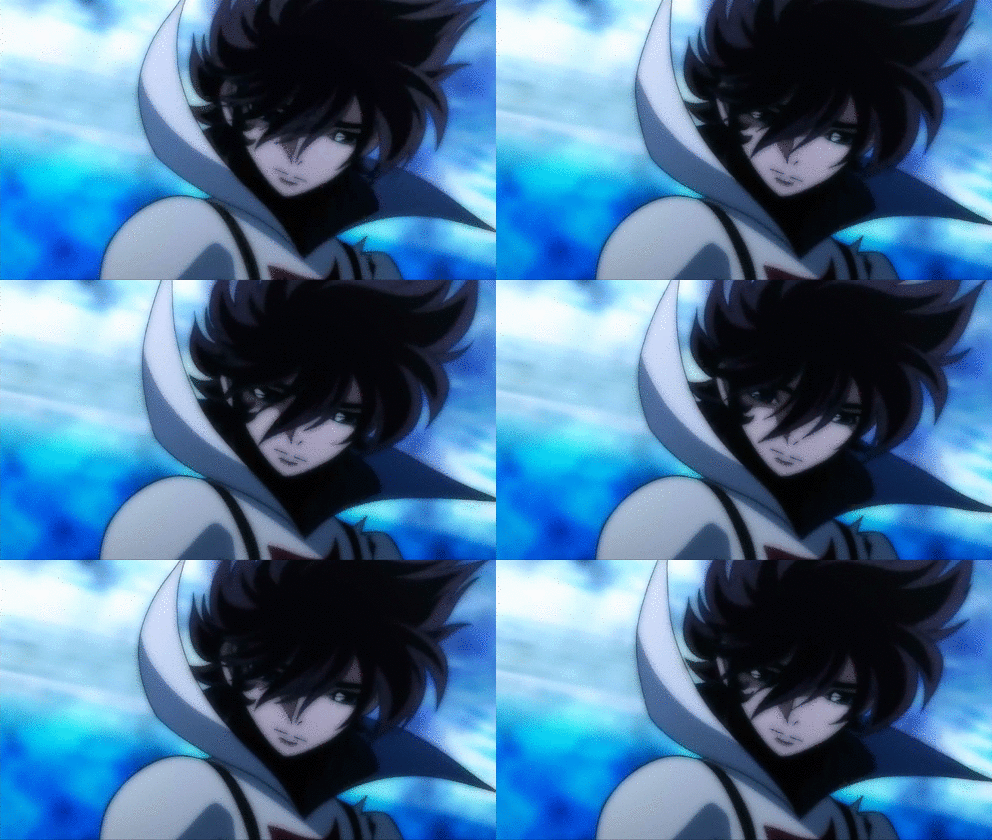
As the main character, Casshern is intentionally quiet, cold, and passive.
He’s designed less as a traditional protagonist with clear character growth and more as a symbol of guilt and redemption.
He’s a being without fear of death and almost without emotion—someone who doesn’t understand why he’s alive or why others are so terrified of dying.
His journey pushes the narrative forward as he searches for answers and a deeper understanding of death itself
#
Lyuze – Endless Mourning
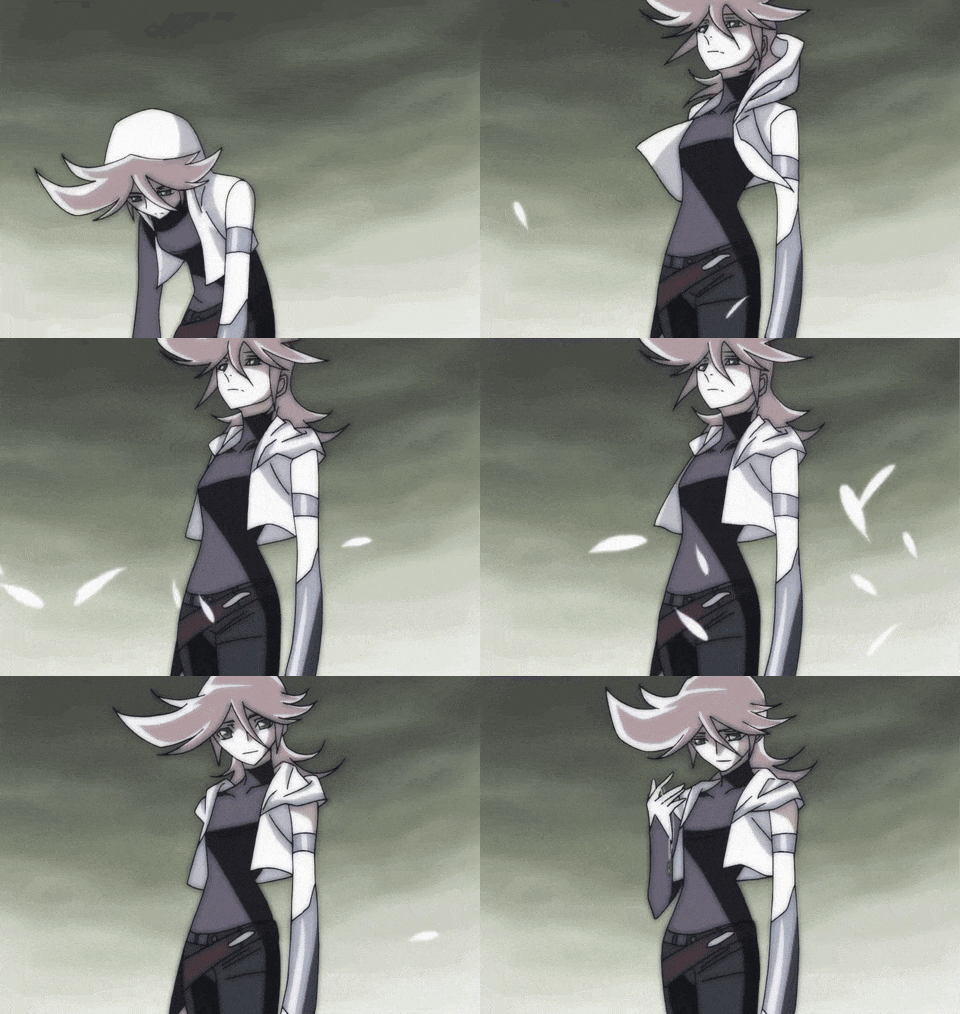
Lyuze represents grief, loss, and the inability to let go of the past.
More than any other character, she struggles with the concept of death—but not in a philosophical way. Her pain is raw, emotional, and deeply personal
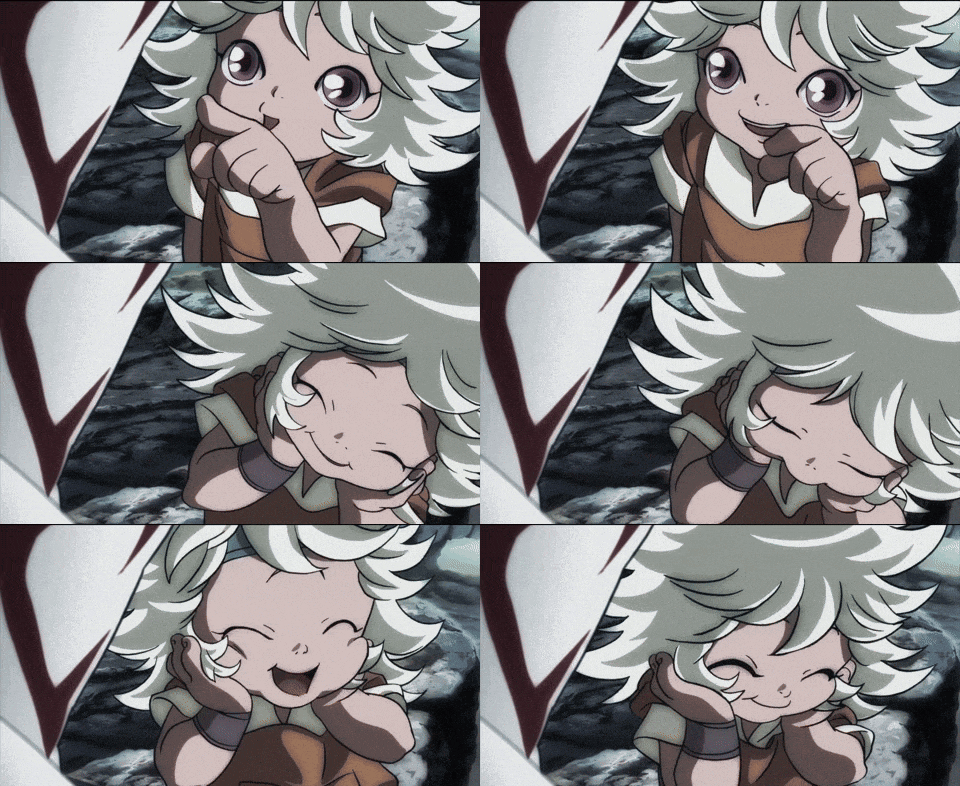
Ringo symbolizes life, innocence, and hope in a world that’s slowly falling apart.
Her presence creates an interesting contrast with the dark and hopeless tone of the anime, though her character can sometimes feel overly idealized and simplistic
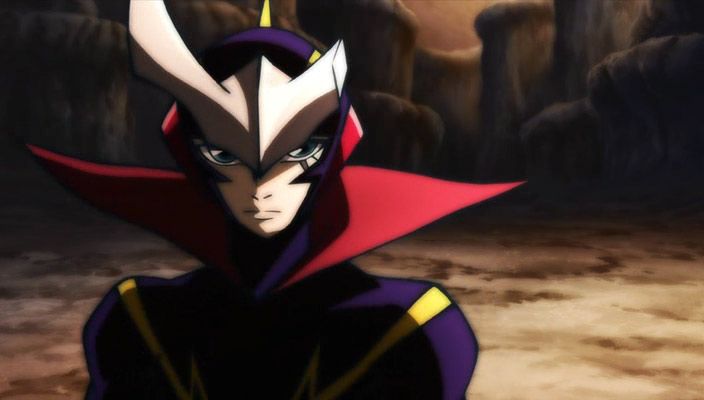
In my opinion, Dio is conceptually one of the strongest characters in the anime.
He serves as Casshern’s opposite:
And even a twisted sense of freedom through destruction
He has a clear goal:
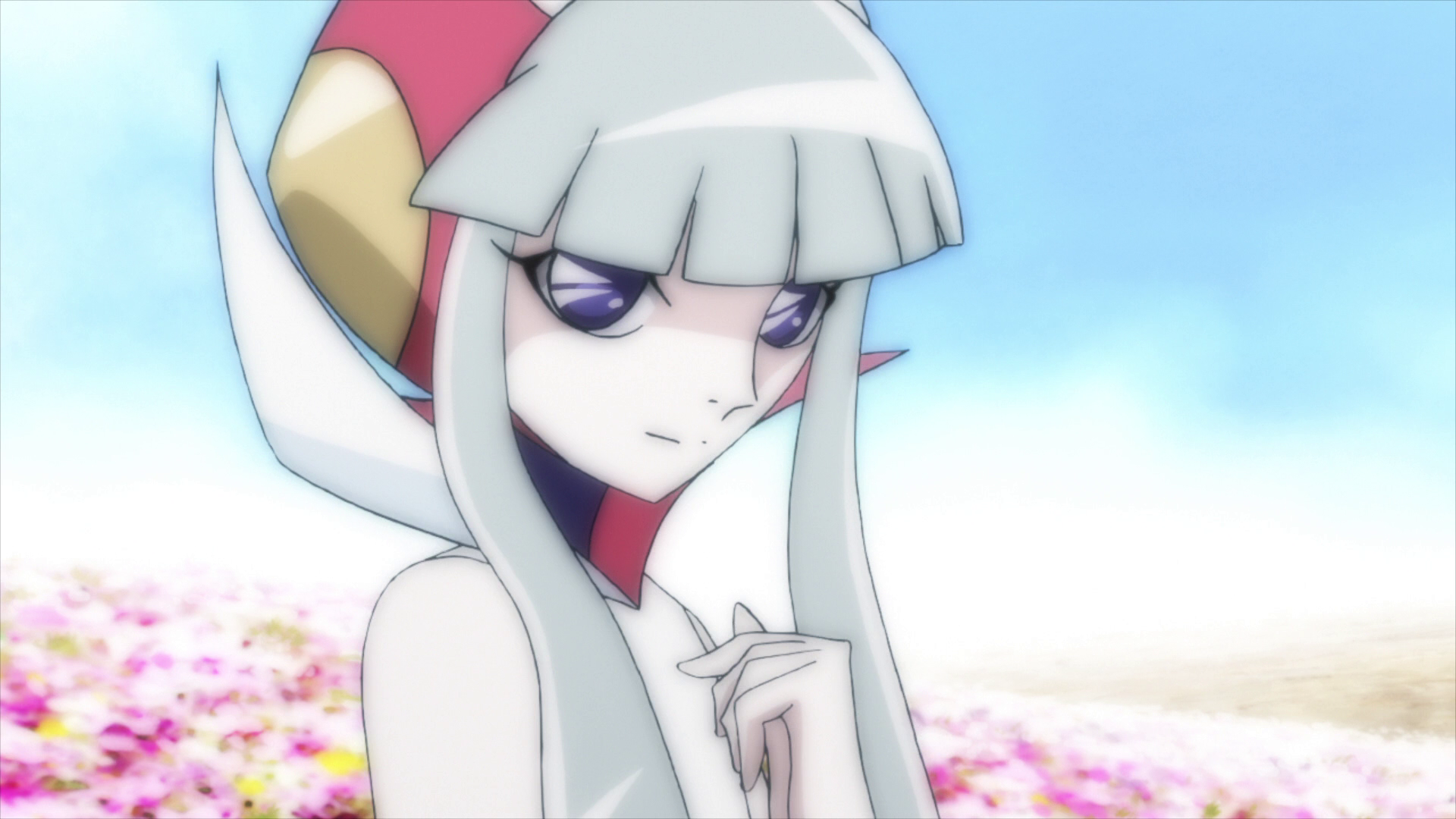
Luna stands at the center of many of the anime’s core themes: immortality, salvation, and the source of ruin itself.
The problem is that she mostly remains a mythical figure rather than a fully realized person with human emotions and choices. Because of this, her emotional impact never reaches its full potential
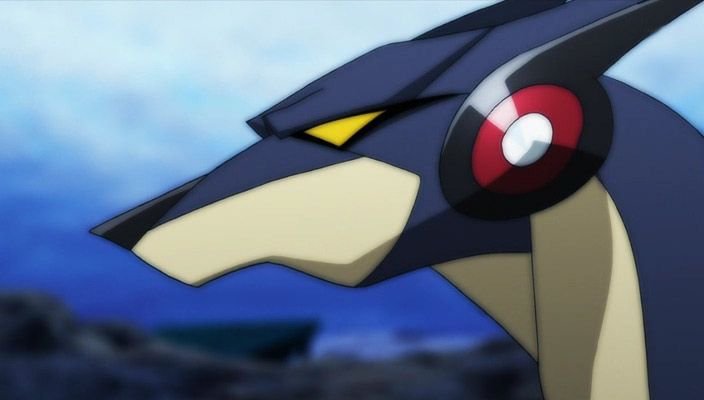
Friender is one of the most successful characters in the series. Without long dialogues, he conveys loyalty, suffering, and companionship effortlessly.
Unlike many other characters, he has emotional consistency, and his presence brings a sense of balance to the story.
You could even argue that Friender is the most “human” character in the anime , despite not being human at all.
(Many other characters appear briefly throughout different episodes, but most of them function more as symbols or messages, meant to reflect ideas back to both the audience and Casshern himself)
Honestly, I’m really glad I stumbled upon Casshern Sins by chance and decided to watch it.
More than a story-driven anime, Casshern Sins is a philosophical and emotional experience.
It deliberately chooses to:
And sacrifice clear answers in favor of lingering questions
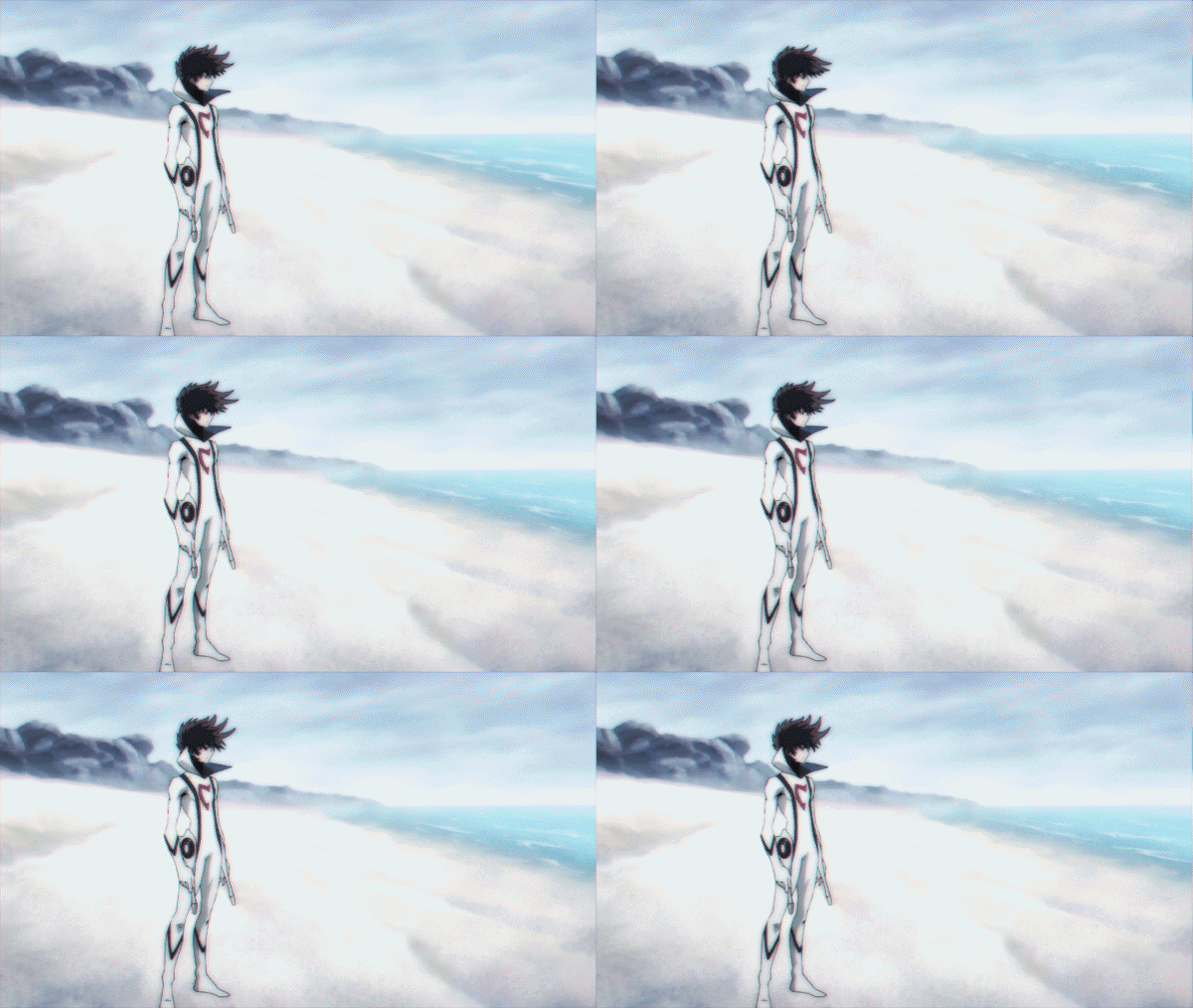
Because of these choices, the anime can feel deep and unique for a specific audience,
while coming across as confusing, slow, and unfinished for many others.
The main issue with Casshern Sins isn’t that it doesn’t know what it wants to say ,
it’s that it doesn’t really care how well the audience understands it or connects with it
And for the Score :
Sorry if this ended up being a bit long , I honestly tried to keep it short.
This was my first review, so I hope you enjoyed reading it
17 out of 19 users liked this review
