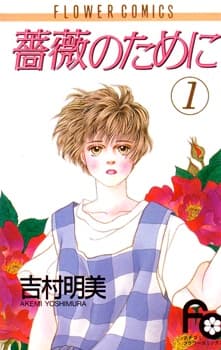
Bara no Tame ni
a review by Mints
a review by Mints
Bara no Tame ni (For the Roses) is set in the snowy region of Sapporo. It's way up north, covered in snow for about half the year, and the flowers don't get much time to bloom. One of Japan's most prolific actresses has chosen to live here along with any of her children that have somehow ended up there. Mother is egotistical, selfish, and frivolous. While the three children in this house are all from different fathers, they at least share a common experience- their mother did not raise them, does not love them, and will not entertain these immature flowers seeking her attention.
True to its name, Bara no Tame ni is about roses. Those roses bloom beautifully but are surrounded by thorns making them difficult to grasp. If you've ever heard of the popular hedgehog's dilemma, it is similar in some ways, yet different. The hedgehogs yearn for each other's warmth but they cannot get too close as their spikes will only cause each other pain. Roses on the other hand, are much more selfish. Their beauty is akin to a curse, perceived by those around them as an egotistical demand to reach out themselves and care for them despite the pain that will come from the thorns. Mother and all her children are similar to those spoiled flowers- they don't seem to provide any value to others outside of their beauty and yet the people are drawn to them. The children understand this and curse it, quietly leaving themselves to wither buried in the snow.
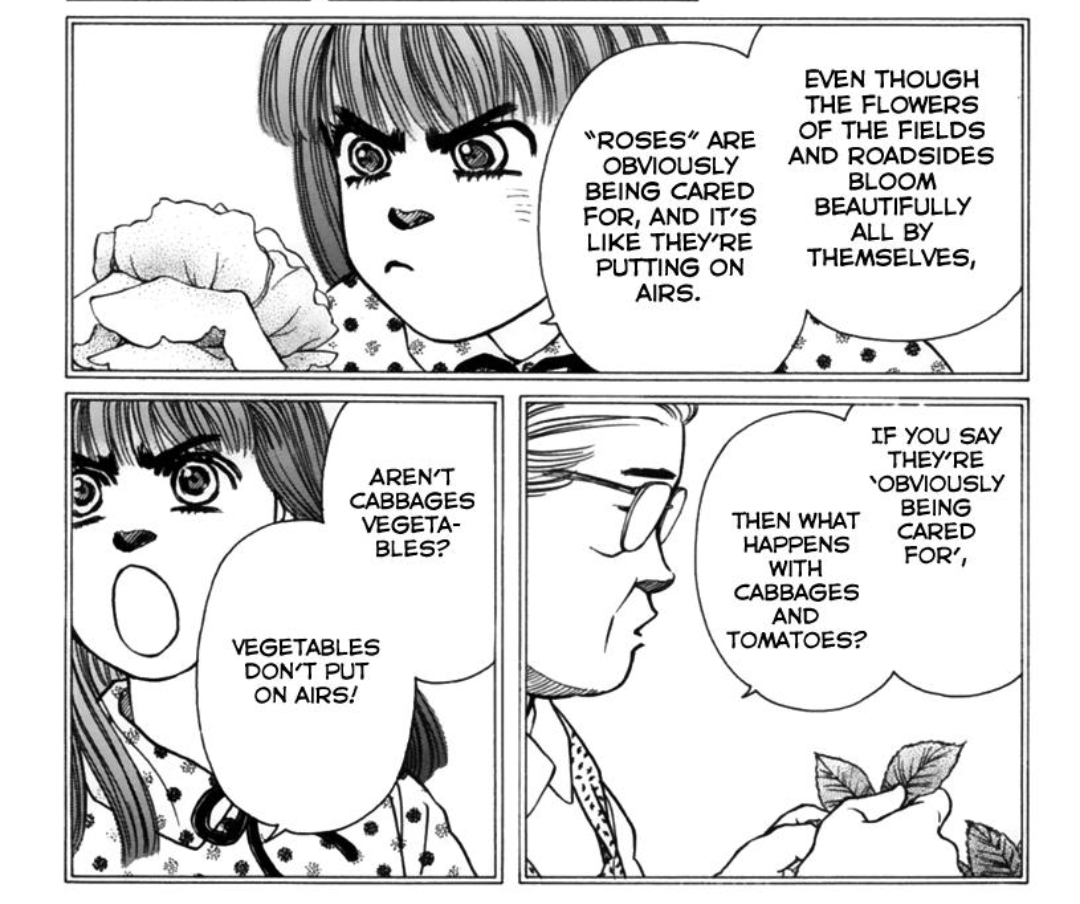
In contrast to them, the main character of this series, Yuri, is not the typical rose we are used to seeing. She is not as beautiful as the other children nor was she raised experiencing any of the pampering or loneliness the others have felt. Though she believes that she is Mother's child at first, it's revealed a little later that she isn't. Instead they compare her to a wild rose, not quite as beautiful yet egotistical all the same. She's selfish- she wants a home, a family, she wants to be loved.
Once Yuri begins living at Mother's home in Sapporo and building her relationships with her 'siblings', she gains a few of the things she desires- a home, a family. Yet she keeps seeking more, she falls in love with the eldest son, Sumire. This is the point in which the chain of selfishness from all the roses in the home start to twist around each other. I don't want to go into the details because there is a lot but at least trust me when I say it had me screaming with the amount of backwards thinking these children were doing just to avoid hurting each other in spite of their own egos. One such instance of this is when the second son, Aoi, the only one actually blood-related to Yuri (same father), falls in love with her while at the same time keeping his long unrequited love for his brother Sumire. What was their first idea? To have Sumire hook up with him so at the very least it avoids an incest child.... what. They don't follow through on this, but the desperation of their actions is so entertaining to read through. If anything, at least enjoy this part of the manga.
The ultimate conclusion of this manga settles with conquering the rose that's grown so tall, so full of thorns over many years more than anyone, Mother. She's the worst of the bunch- she fell in love with a man, left him, and upon her return seeing he was raising a young Yuri, felt he cheated on her and abandoned him again. Mother wants absolutes and in her pursuit of them has been unable to reach out to anyone else. It's natural to desire to be loved, it is human nature. It's described as selfishness for a lot of the manga, but seeing it as part of human nature, is it really that selfish of a thing to desire? Their love has simply bloomed, who is to blame?
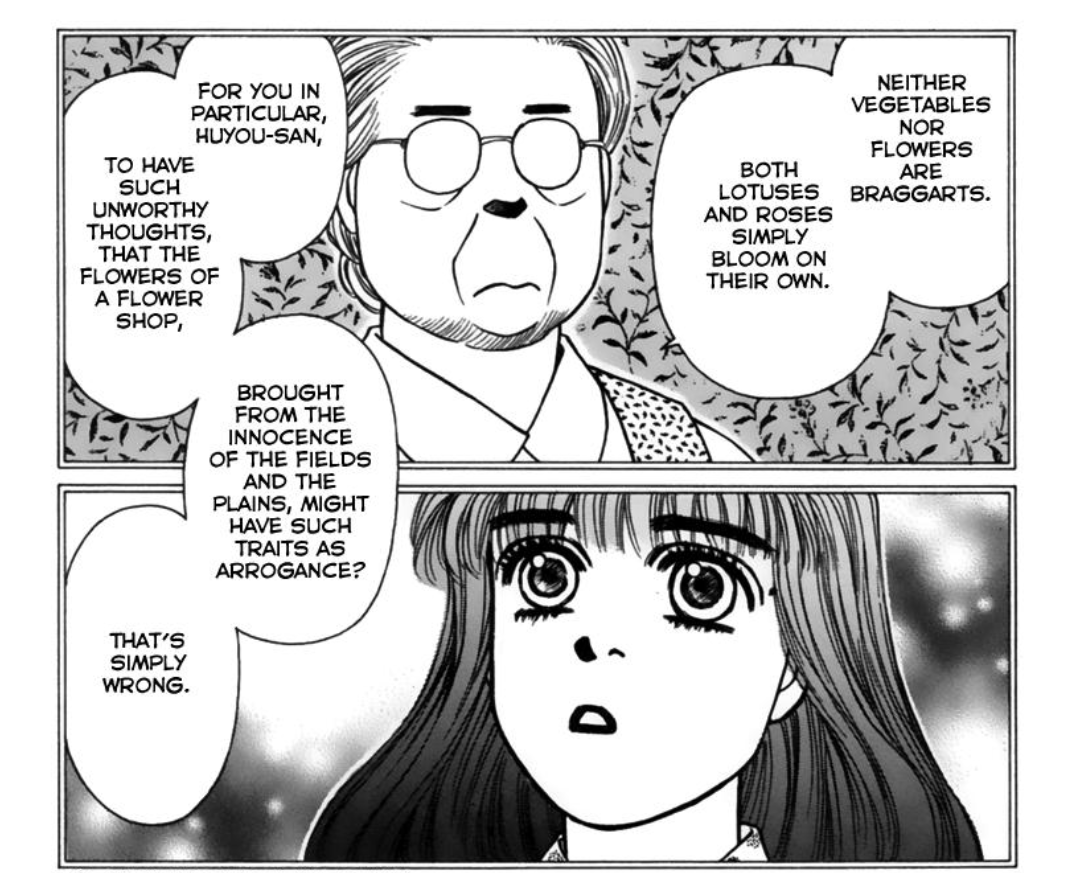
This scene in the images is what the eldest child, Huyou learns from their housekeeper who raised her. She was young then and didn't understand, but with the kindness she learns from Yuri, she also eventually learns to reach out to her mother instead of waiting for her mother to love her.
In the climax of the last arc, Mother is pregnant. Again, with an unknown man but this time she is determined to raise the child herself, as a way to quell her regrets for not being there for all her other children. She loses the baby but it is Huyou this time who finally reaches out to her. It parallels Yuri's final arc with her love for Sumire where they achieve what they want by accepting their need to be loved along with their desire to love others. When they accept that loving others is not a sin, they're able to accept their both their beauty and their thorns- finally attaining true love.
Overall, I enjoyed Bara no Tame ni way more than I thought I would. It begins pretty harshly and has a lot of themes that are harder to read about now- like even if no actual incest happens, they make many mentions of it and it's never necessarily implied to be a bad thing so it's hard to get a read on if the mangaka actually likes it or just thinks it's funny. Well, it's not that as off-putting as I was expecting it to be at least... There's a few other issues I have with it like how annoying Yuri can get at times about complaining she's fat and ugly but barely makes any actual effort to work on it despite being so displeased about it. Again, this is probably just the mangaka thinking it's funny so she kept it in but it was fr pissing me off at times.
Despite these flaws, I found the overarching theming with the roses very suited to the dramatic nature of the family and the situations surrounding them. It's an exciting family drama. If you think you can enjoy it too, I definitely recommend it.
2.5 out of 3 users liked this review
