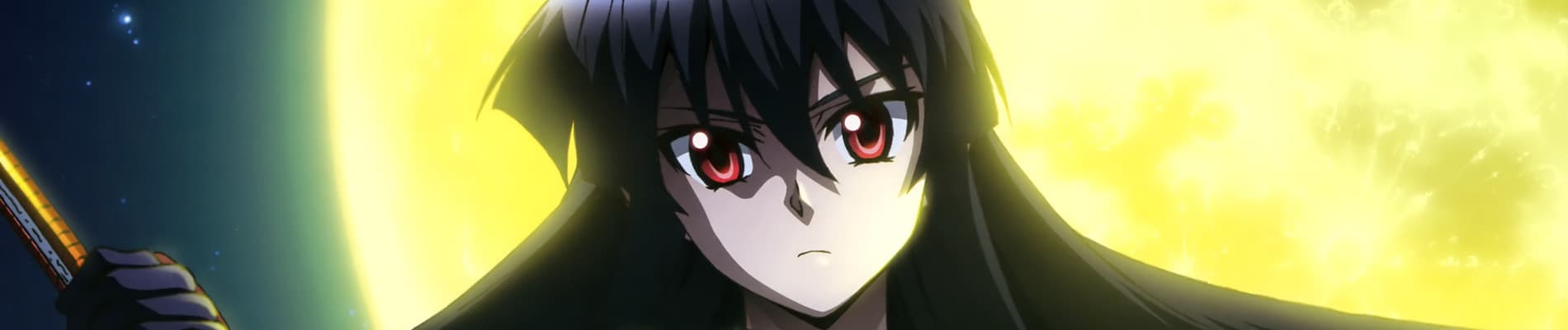
Akame ga Kill!
a review by sn2701
a review by sn2701
Akame ga Kill is a deep psychological anime that interests people. It is well known for how dark it can get at times. Also, revealing brutal realistic truths and deaths throughout the anime. I think this is something everyone should watch once in their lifetime as it contrasts between themes perfectly. I thoroughly enjoyed this anime as it had interesting plot twist and no plot armour which makes this anime a little bit more unique than the others
Produced by the studio White Fox, the series follows Tatsumi, a naive young fighter who joins an elite group of assassins known as Night Raid. Their goal is to overthrow a deeply corrupt Empire that is rotting from the inside out due to the influence of a manipulative Prime Minister. The show’s strongest suit is undoubtedly its tension; because the series establishes early on that major protagonists can and will die, every single battle carries a weight that is often missing from long-running battle anime. This lack of "plot armour" creates a genuine sense of dread and excitement, as viewers are never quite sure who will make it to the next episode. The combat is further elevated by the concept of Imperial Arms (Teigu), ancient and powerful relics that grant their users unique abilities. These weapons range from sentient biological creatures to suits of armour and elemental manipulation tools, ensuring that the fight choreography remains creative and unpredictable throughout its 24-episode run.
However, the series is not without significant flaws, the most prominent being its tonal shifts. Jumping from scenes of gruesome torture, systemic oppression, and tragic death to lighthearted, generic harem-style comedy or slapstick humour within the span of a single scene. This inconsistency can make it difficult for the audience to stay emotionally invested in the darker themes the show tries to explore. Although, some people may find the shifts between funny and dark annoying, I think that it is good in some way as it shows us the contrast between the funny and the dark. This may make the viewers more traumatised than they initially are. But that is only for some. Furthermore, because the cast is so large and the body count is so high, character development often feels rushed. Many members of Night Raid or the antagonistic "Jaegers" are given a brief, sympathetic backstory right before they are killed off, which can lead to "death fatigue." Instead of feeling like a tragedy, some deaths begin to feel like a mechanical checklist designed for shock value rather than emotional resonance. This issue is exacerbated by the fact that the anime eventually outpaced its source material, leading to an original ending that many fans feel was truncated and less satisfying than the manga's more nuanced conclusion. I think many viewers who have watched Akame ga Kill would have loved to see Season 2.
Visually and aurally, the show stands as a high-quality production. The animation during the duels between Teigu users is fluid and impactful, capturing the sheer scale of the power being unleashed. The character designs are distinct and memorable, particularly that of the primary antagonist, Esdeath. She remains one of the most compelling "villains" in modern anime, blending absolute, chilling cruelty with a surprisingly vulnerable desire for companionship, which makes her interactions with the hero Tatsumi some of the most interesting parts of the show. The soundtrack complements this perfectly, with a somber and epic score that highlights the tragedy of revolution.
Ultimately, Akame ga Kill! is Marmite, you either love it or hate it. It is a thrilling, gore-filled roller coaster for those who want to see a darker take on the hero’s journey where the stakes are real. Yet, for viewers seeking a deeper philosophical exploration of war or a more consistent emotional tone, the show’s reliance on shock and its pacing issues may hinder the experience. It remains a landmark series for its willingness to break the rules of shonen, even if it occasionally trips over its own ambition.
This anime has inspired the dark shonen theme with no plot armour in many new gen anime such as 86 Eighty Six and Cyberpunk Edgerunners. This goes to show how small anime can even inspire other anime. The themes shown are quite intrinsic and make viewers wanting more.
28 out of 35 users liked this review
