
Warning: This review contains major spoilers for SHIBOYUGI: Playing Death Games to Put Food on the Table!
Before anything, this review was written using my analysis that were all written from my own personal interpretation of the show. You can find them here and here. I'll probably write more in the future so if you're into the anime and want to read my thoughts in the future follow me or join my Discord server since I talk about it quite regularly.
The first thing that hit me before anything else was the music and atmosphere. The direction on this anime is top tier. The second that opening started playing I already knew this was gonna be something completely different than anything I've seen so far. And it's such a simple OP too, it's just cars on a highway, or is it?
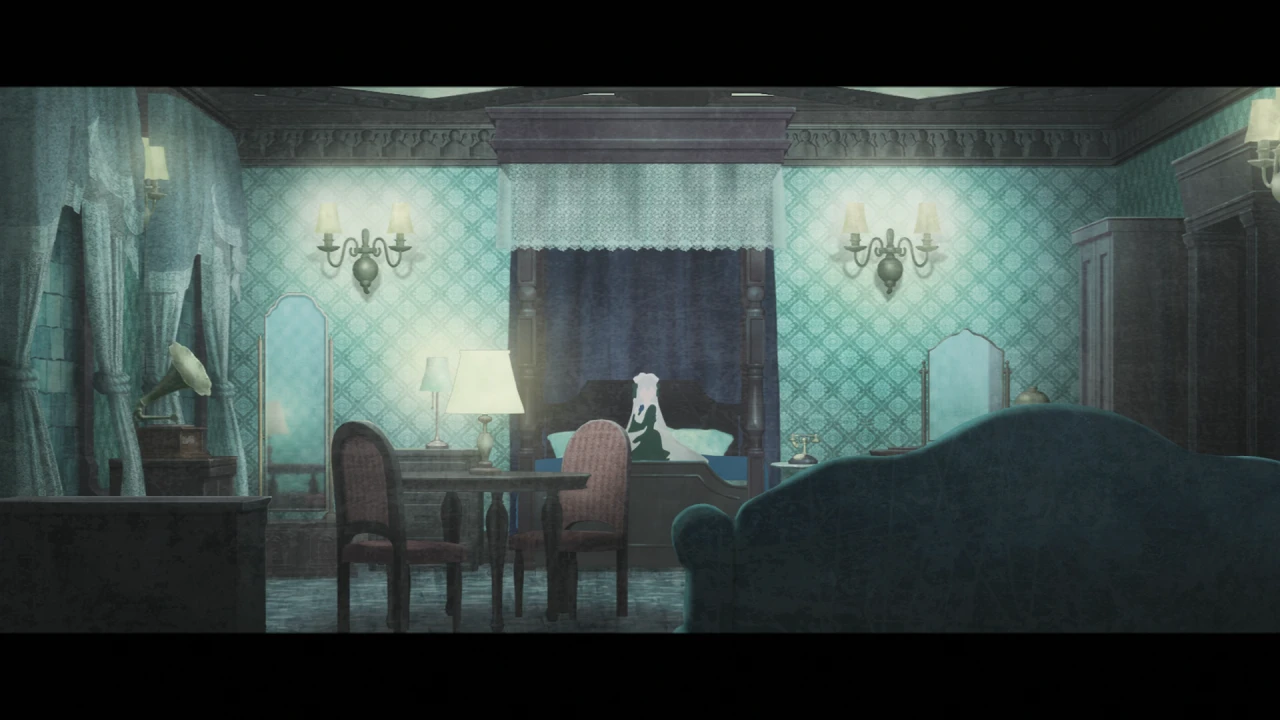
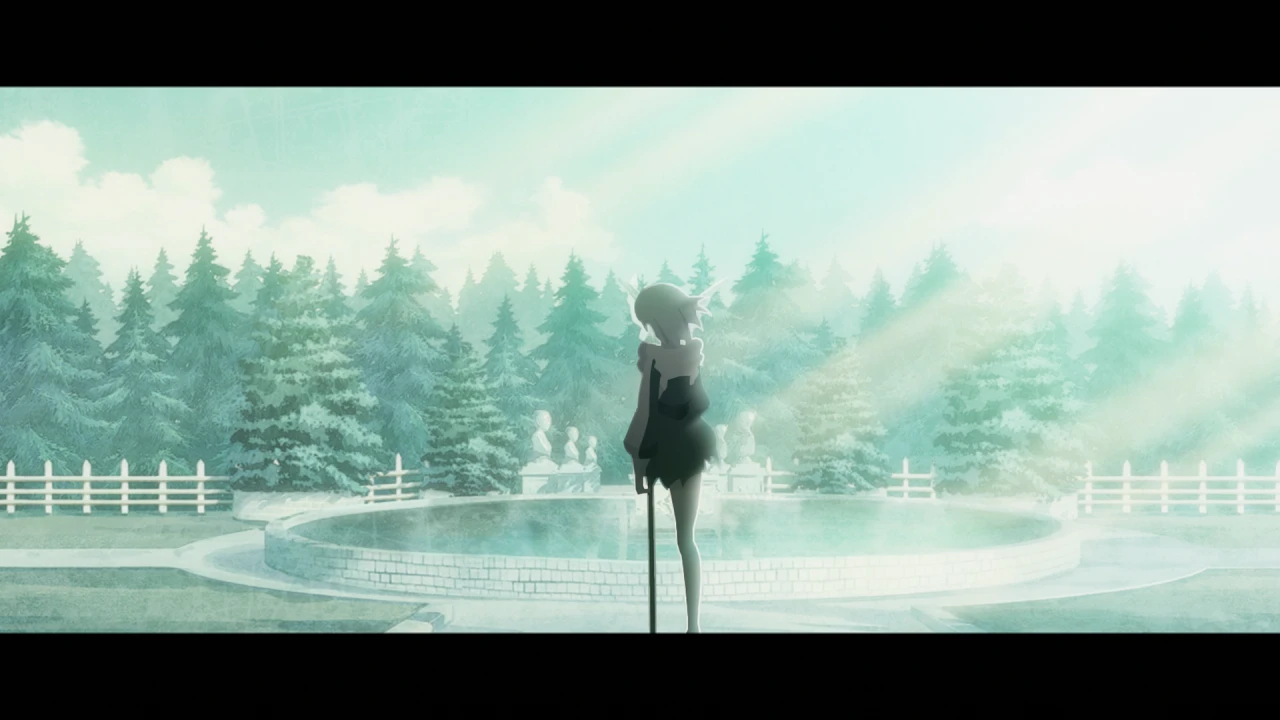

The first episode is 47 minutes long and that was such a smart choice. It immediately separates this show from any other seasonal and gives you the time to actually get immersed and invested into its world. And it worked pefectly for me.
I absolutely love the way this show tells its story. The games aren't shown in chronological order but instead of being confusing or annoying like in other shows, it's genuinely one of the most fun and engaging parts of the experience. I was always trying to piece everything together, figuring out where each game falls in Yuki's timeline and what happened between them.
I love these kind of shows where you can actually try to predict outcomes, figure out who to trust, think about how you'd play the game yourself and SHIBOYUGI is perfect for that. Death games are one of my favorite genre of all time and this is the best execution of it I've seen in anime. No blood, replaced with a sort of supernatural weird cotton makes it way more unsettling and interesting than just pure gore, because you're also trying to figure out how these games are even made in the first place aswell! And the liminal spaces as the primary setting, which I'm a really, REALLY big sucker for and they fit this show so perfectly.
The fact that this show uses liminal spaces as its main atmosphere isn't just an aesthetic choice because it also reinforces everything the show is thematically trying to say. These are places that feel wrong, spaces you're not supposed to be in, and that's exactly what death games are.
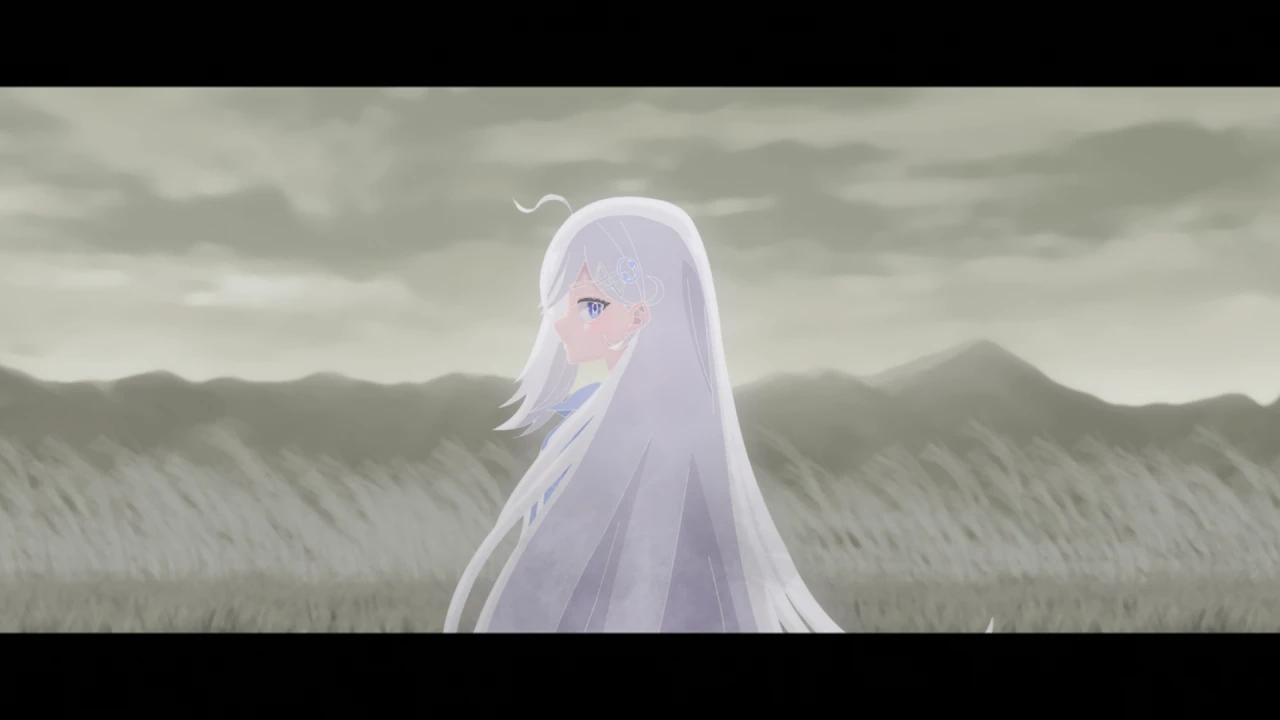
She's introduced to us through two different narrators that share the same voice, one referring to her as "Yuki" and the other as "she" or "the girl". I started thinking it had to mean something and while I was watching I came to the conclusion that both narrators are Yuki herself but at different points in time. One is her in the moment and her thoughts during the game and the other is her afterwards, looking back, reflecting and processing everything that happened. It's a subtle but really nice way to show her relationship with herself and with what she does.
She refers to herself in third person constantly and by episode 10 you understand exactly why. Yuki doesn't feel like she's really alive. She survives on innate talent, not effort, not meaning, just talent. Her player name is 幽鬼 (Yūki) which means ghost and demon. She's also described by other players this way and the name fits her perfectly because she genuinely moves through this world like someone who doesn't belong in it.
The prosthetic eye detail was another one of those things that I had a hunch about early on, just like why Yuki refers to herself in the third person, and it felt so satisfying when it was confirmed. Small things like this are what make Yuki feel so layered as a character and I absolutely love her. She's been playing these games for a long time and her body carries the evidence of it.
"Deciding how todie is the same as deciding how to live." is a line that hit me pretty hard because it's exactly what the OP is showing. Yuki is walking down a path she knows leads to her death and she's chosen to keep walking it anyway. Not out of hope or out of love for life but just because it's the only path she thinks she has.
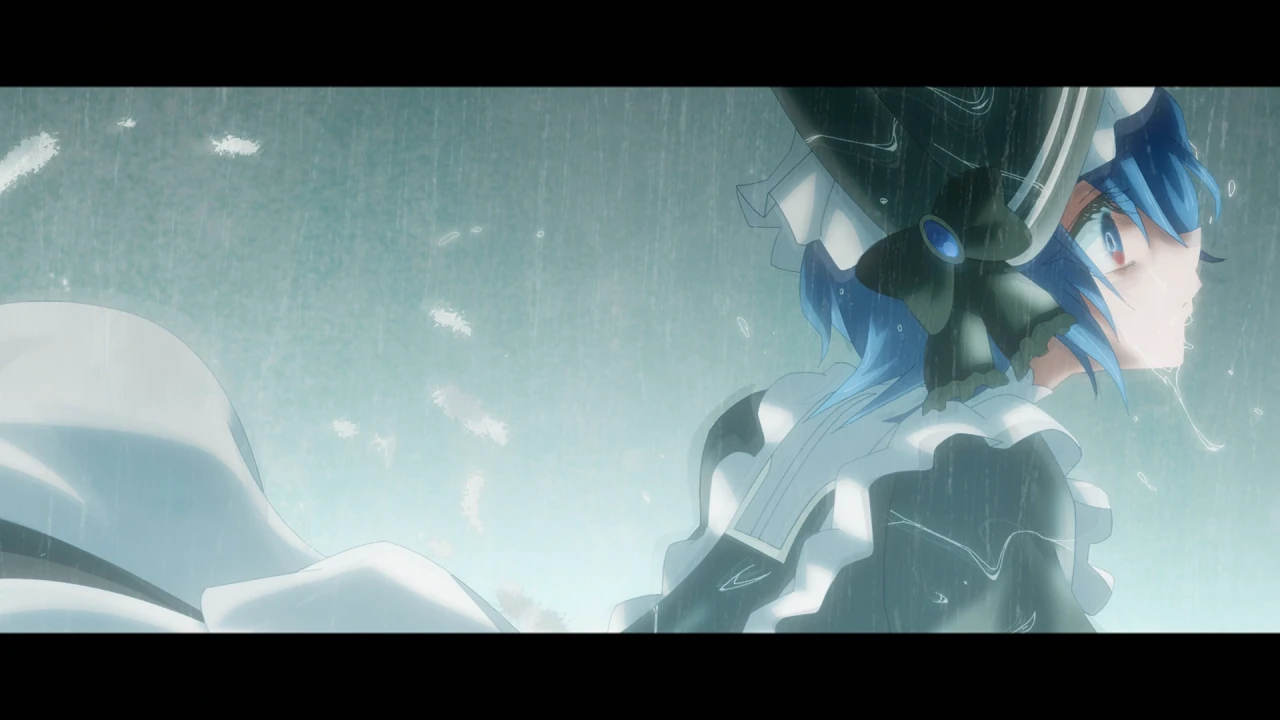
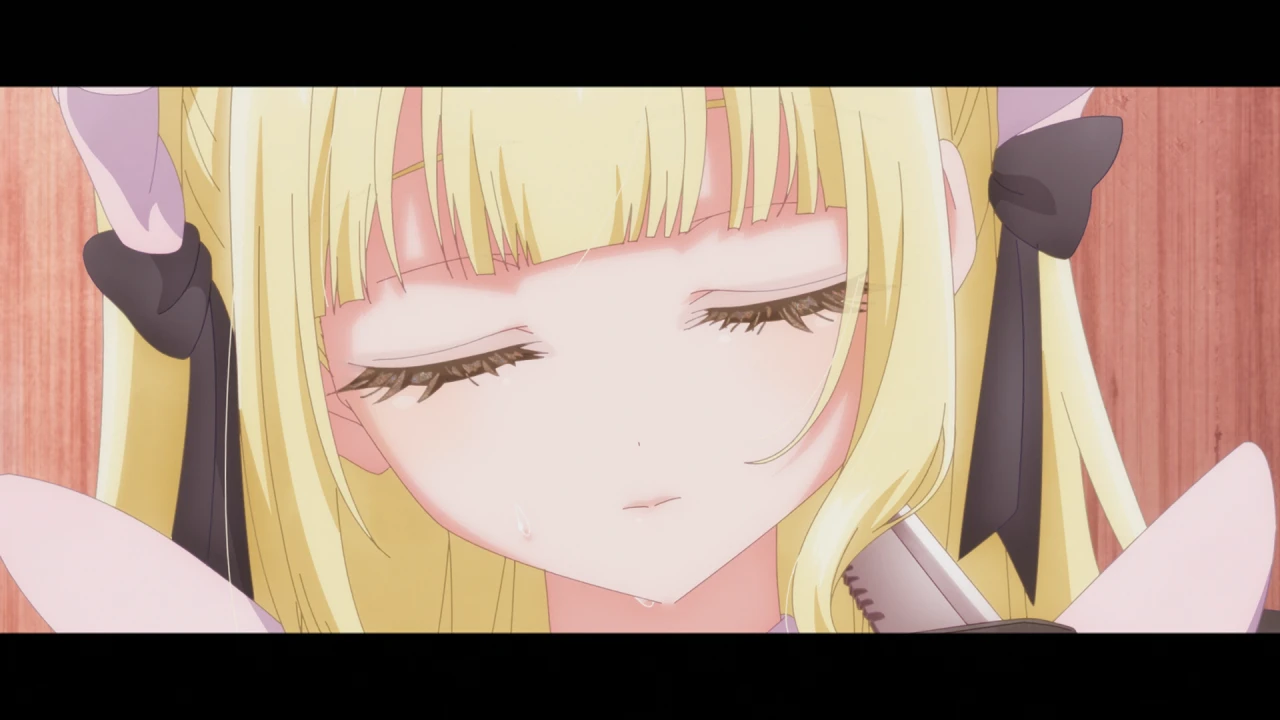
The thing that makes it work so well is how the show treats talent and effort. This is a deranged world, and what makes it deranged isn't just that people dit but it's that effort means nothing here. You can pour everything you have into something and it still won't be enough if the talent isn't there. And the show makes you sit with that in a really uncomfortable way.
Episode 10 is the best episode of the season for me and it's entirely because of what it does with Moegi and Yuki that I'll talk about in a while.
The grey nightjar and the whale metaphor is pulled from The Nighthawk Star by Miyazawa Kenji and the way this show uses it throughout episodes 9 and 10 is honestly literary in a way that most anime never even tries to be. Kyara plants this image in Moegi's head from the start. The nightjar is small, hideous, spotted, ugly and insignificant. And the whale is massive, free, overwhelming and meaningful. Kyara is the whale and Moegi is the nightjar, and deep down, Moegi knows it.
The nightjar flying towards the sun knowing it will burn is the image that Moegi holds onto. She knows she can't become great, but she wants to mean something when she goes. This isn't hope but desperation for hope. It gives her something to hold onto and that's what keeps her going. But then episode 10 tears it all apart completely.
"No matter how far it went, the sun never got closer."
The sun doesn't just feel far. It was never meant for her. THe world assigns her a role and it tells her: you are a nightjar. You aren't a daytime bird. No amount of effort or sacrifice can change what you are.
And when she runs into Yuki and realizes that the gap between them is so big that she never even had a chance. Their fight wasn't really a fight to begin with. It was more of a reminder, and Moegi finally understands it.
"I knew that a grey nightjar could never become a whale."
I completely started sobbing after this line, if I wasn't before already. It's not just Moegi accepting that she can't reach her goal. It's the death of her dream and the death of her identity. And it all happens right before she dies too...
"Until my very last breath, I, Moegi... until my very last breath... cried tears of frustration."
Even I was frustrated. She doesn't die peacefully and she doesn't accept it. She dies angry, frustrated and in pain, knowing she gave it everything she had and that it still wasn't enough. There was never anything she could've done differently. That's one of the most tragic deaths I've ever seen in anime if it wasn't the most tragic death and it hit me in a way I genuinely wasn't prepared for. When a death of a secondary character that you've known for literally 2 episodes has more writing behind it than entire animes out there is when this became my favorite anime of all time.
And then the show immediately transitions into Yuki's monologue.
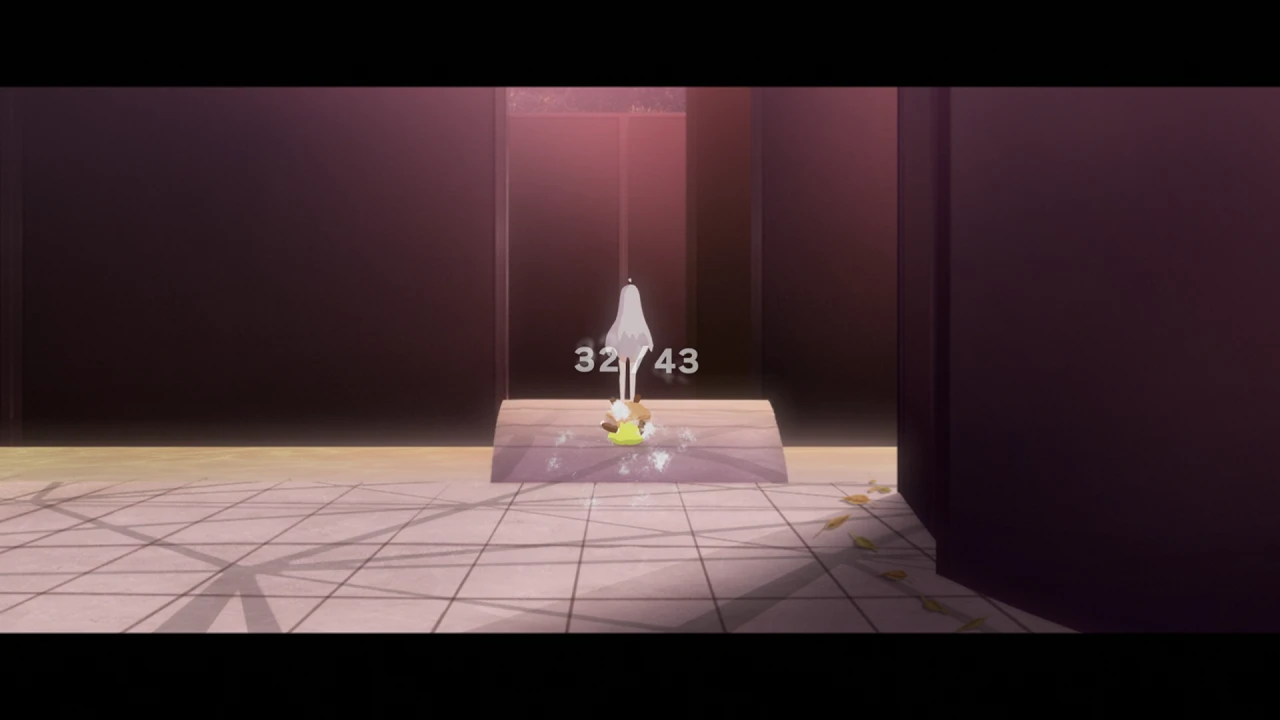
This is the second best monologue in the whole season for me, right after Moegi's. Yuki isn't cold about Moegi's death, it's actually the opposite. She sees Moegi's face as she kills her and she knows what she just took from the world. She killed someone who had a reason to live, while she herself still only lives "just because". The final line says everything about how Yuki sees herself. Her body keeps moving even when she doesn't understand why, even when she feels like a ghost that doesn't belong tot he world of the living. "How do I have legs when I'm not a ghost?" is the best line of the show for me because despite it being such a simple and short line, it's actually not simple at all and it describes everything that I've been watching until now.
The transition between both monologues is some of the best direction in the whole show. I can't stop glazing how well executed that sequence was.
Now, wasn't the OP just cars on a highway? Well yes, but there's meaning behind that!
¬Ersterbend is a german word that means "dying" and it's also a musical term for something fading into silence. But the ¬ symbol is a negation. So instead of something fading away slowly, it's something that ends all at once. And that's exactly what the visuals of the OP show. Someone walking down a highway, calm, quiet and forward, until a car hits them. There's no dramatic buildup or anything, it just happens.
It's showing Yuki's choice. She walks down a path she knows leads to death and she keeps walking. Not because she wants to die but because it's the only path she has and she's chosen to own it. The OP and the ED are two sides of the same coin.
The ED "Inori", means "prayer" but in the context it can also be interpreted as "player" which I find really neat. It's a song about living in a world that feels empty and pointless and where praying feels useless because you know no one is listening. But you still do it because it's one of the only things that keep you going. It exposes Yuki's inner thoughts in a way the show rarely does.
Both the OP and ED together are a full picture of what this show is about. Even though they seem so simple at first, they both hide true meaning behind the visuals and the lyrics.
I honestly never saw it coming, Hakushi actually being alive at the end. The plot twists in the show so far were all pretty predictable but even though I knew Hakushi was the most experienced player out of everyone there, I still didn't even think of her being alive a possibility.
She played 96 games so at some point you'd expect her body to just be held together by cybernetics and artificial organs at this point, which based on Kyara's comment about "something being off with her insides" is probably exactly what was going on. She's not human in the traditional sense anymore, she's something that the games built over a long time.
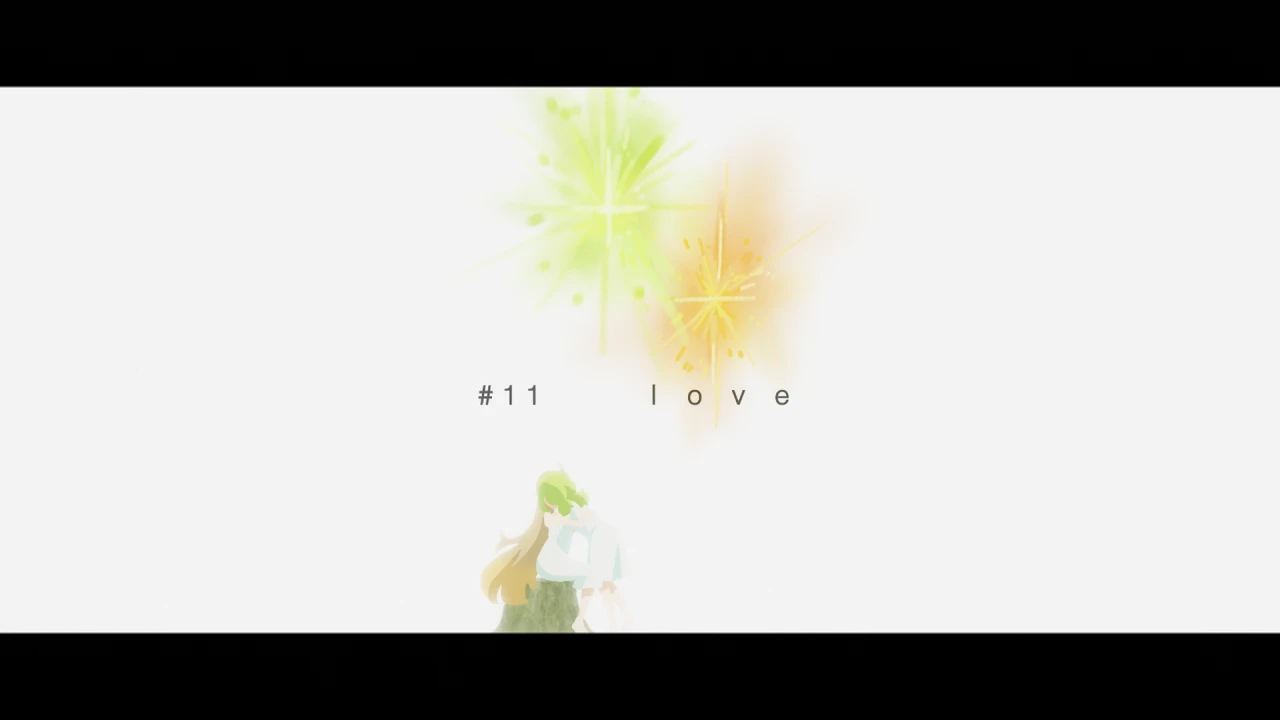
The fake credits scene in episode 11 is also one of the smartest things the show does because just like in the in-universe audience watching people die for entertainment, we're sitting here watching it too. "This is a story about a deranged world." is the opening quote and we are a part of it.
The emotional climax of episode 11 is Kyara and Moegi. The "I love you" said between them is the first real human warmth in the entire series. This show spends 10 episodes in cold liminal spaces, in death and survival environments and psychological horror, and then it gives you two women saying goodbye to each other. The episode title says it all.
And here we also find out why Yuki truly wants to beat 99 games. She's carrying her mentor's goal forward. It's a purpose she inherited, not one she chose, and I think that's the point. She sees herself as a ghost, someone who isn't meant to be living in the same world as others that have an actual purpose and goals. I actually think Hakushi faked her death partially so that Yuki would have something to walk toward. Someone as smart as a person who survived 96 death games almost certainly thought that far ahead.
This show checks every single box for me. Unique artstyle, incredible direction, music, ambience and atmosphere, a fascinating protagonist, psychological horror as its core theme, non-chronological storytelling done perfectly, liminal spaces, and a world that it actually has something meaningful to say about.
Trying to figure out what each episode title means aswell is something that gave me a lot more to analyze, have fun with and obsess over. I'm still not fully certain of what word fills some of those blanks, but the fact that I spent time thinking about it says everything about how much this show gets inside your head.
This is my top 1 anime of all time. I'll be reading the light novel because I need more, but we already got a sequel announced also being directed by Ueno! Go KADOKAWA xD
Whatever you do, watch this show. And pay close attention to everything!
48 out of 61 users liked this review
