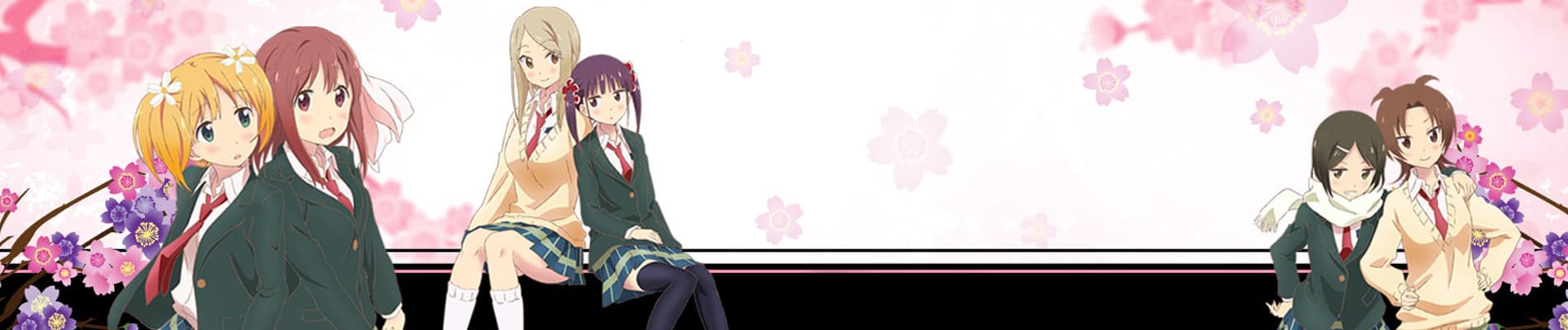
Sakura Trick
a review by skunkymayu
a review by skunkymayu


Haruka often feels deeply embodied and wants to act on her impulses, even if she doesn't fully understand why. Yuu is more aloof and sensitive, and slower to reciprocate and find her own footing. They reach a mutual understanding that kissing is a way to express something that they don't really understand yet. It becomes a limited emotional vocabulary they share.
Actual spoilers, for those reading this review after completion:
The story ends with a verbal confession of love for one another. It's simple, but articulate and sweet. The growth these two go through over the course of the show is tremendous.
Our main characters are essentially asking these questions throughout the series: How do we navigate this unbearable longing for touch, physicality, and companionship before we're emotionally ready for it? Before we know how to talk about it verbally? Is there even a social script for when girls feel like this about each other? What exactly are we feeling, anyway?

The moe aesthetics may not be groundbreaking, but the show uses them extremely well. With the story being told through Haruka, they've made the show visually feel like a scrapbook. Sweet, sincere, maybe a little impulsive, and definitely a little amateurish, just like her. They've gone with this warm, muted pastel palette that makes the characters feel more grounded and genuine than your average romcom from this era. The sound design is extremely effective at conveying emotions and intentions non-verbally, especially in combination with hair bounces and visual motifs for each character.
Outside of romantic scenes, the character blocking often feels intentionally cramped. The constant chest-level and thigh framing creates a quiet awkwardness that reads less as eroticism and more as embodied vulnerability. The viewer inhabits Haruka’s half-understood desire for closeness, often before she can articulate it herself. A lot of people don't like this about the series, but I'd hesitate to even call this fanservice. It's too deadpan and nonchalant. It's just part of the show's vocabulary.
The camera can linger during kissing scenes, which this show is most famous for, but it doesn't leer or ogle. There is a lot of eye contact, with each other and sometimes with the camera. There is a lot of POV switching, and the camera sometimes cuts away for parts that feel too private for the viewer to intrude on. These scenes can be clumsy, messy, go on just a little too long, but that slight discomfort is exactly the point. Each kiss they share steps just a little more outside of their comfort zones, and develops their relationship further.

The comedy in the series is also noteworthy. It is a romcom based on a 4-koma from the early 2010's, so that's a really specific vibe some of you may be familiar with. Some people really dig it, some people really don't. But what makes it a little different is that Studio Deen was becoming especially good at letting comedic rhythm naturally spill into sincere emotional moments, and Sakura Trick is one of their best pre-KonoSuba examples of that balance.
And yes, if you simply want twelve episodes of girls kissing, it certainly delivers that, too. Just with far more sincerity than its reputation suggests. Despite its reputation, Sakura Trick remains absolutely worth watching, especially if its themes of physicality, vulnerability, and emotional unreadiness resonate with you. It’s a series about learning how to communicate before you even know what you’re trying to say.
10.5 out of 11 users liked this review
