
Death Note
a review by tmxtwan
a review by tmxtwan

After writing my first review, I figured I needed to move on and review an anime that I felt was extremely important to the industry. Death Note not only felt like the right choice for this, but I feel that it is an anime that goes beyond just the industry itself. It's not uncommon for me to be scrolling through videos during my regular day to day and subtly notice quotes, music, and different scenes from this phenomenal anime being used. The entire culture that Death Note has created and the fact that it is still being implemented 20 years after its release speaks volumes to how important of an anime this truly is. Beyond even the culture that it has cultivated, it boasts itself with the incredible number of literary devices used to a degree of high standard. The contrast between Light and L, the symbolisms of the apple and the stairs where the story ends, and the ever present use of foreshadowing land in the same degree that Shakespeare and Hemmingway were able to use them.
When I depict Death Note against the grand scheme of anime, I see it as the gargoyle that sits at the top of a building (both aesthetically and metaphorically). Like a gargoyle, it is a spectacle to look at, it resides outside, and it stands at the top - overlooking everything while also functioning as a protector. If you've ever played the game Jump Force, you may recognize that among all the action titles represented within the game, Light and Ryuk make appearances as the only non-playable characters. Hopefully you are seeing the picture I'm trying to paint here. Among all these long and thriving Shounen with action and fighting, Death Note serves as the quiet friend who fits into the group better than any other member and receives the most respect. It is the gargoyle that watches over the rest.

For my last review, I broke up each section into three different characters that I used to dive deeper into the show. And in thinking about how I wanted to go about this review, I instantly decided on using three of my absolute favorite songs from the OST. Often times when I am watching a show, any song that captures my attention I will instantly add it to a playlist that I listen to. However, Kyomei was one that I missed the first time through my watch. While rewatching the show with my dad, I recognized how beautifully it paired with the scene of Light and Ryuk walking between the cherry blossoms after his graduation. This song gives off the perfect tone for moving on in life, and the cherry blossom visual pairs with the theme of Spring, change, and growth excellently. After being tested by L during their graduation, Light is seen walking to his dorm with no sense of worry, and the soundtrack's somber and melancholic resonance put you right into his shoes.
This is the first of three tones the show personifies so well. Composure, acceptance, confidence, balance, poise, and repose. These are all words that are so integral to the plot of Death Note. Both Light and L's characters could not work without any of these qualities. It gives way to the battle of wits that is later tested throughout the rest of the series. It's a constant test as to who can practice these traits in a better manner, and it makes this relationship between the two into one of the most notorious relationships in any form of media. In English, Kyomei translates to sympathy or resonance. These words not only give way to the development of the relationship between Light and L later in the series, but it perfectly captures the essence of a deeper message behind this story.
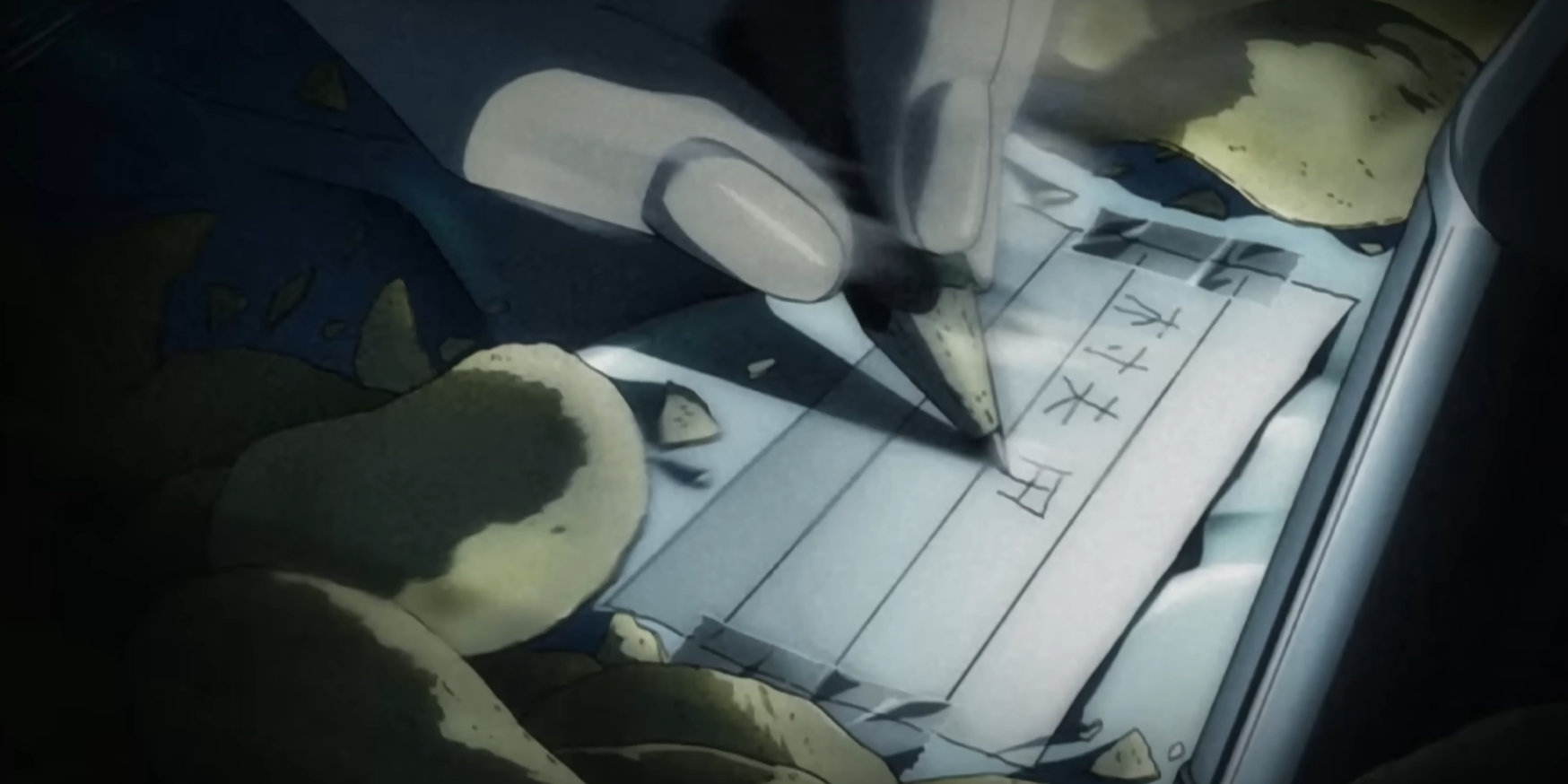
Intertwined between Light and L's relationship also bares a lot of selfishness, which is what the definition of solipsism can be translated to. This leads to our second tone, and most notably this theme is tied with the chip scene. This scene is a great portrayal of selfishness and the desire that Light and L have to best one another. And what never fails to impress me is how well this song encapsulates this feeling. The use of the violins help to symbolize the timely haste and precision Light needs in his plan, the trumpets and cymbals represent the fear of failing, the bells signify fate and destiny, and the chorus vocalizes the tension in the first half of the song and victory in the second half.
The use of symbolism in music is an extremely difficult feat to accomplish, yet the OST nails it time after time. Along with this and it's impeccable story telling, characters, and aesthetic, Death Note is simply one of the most impressive series ever made.
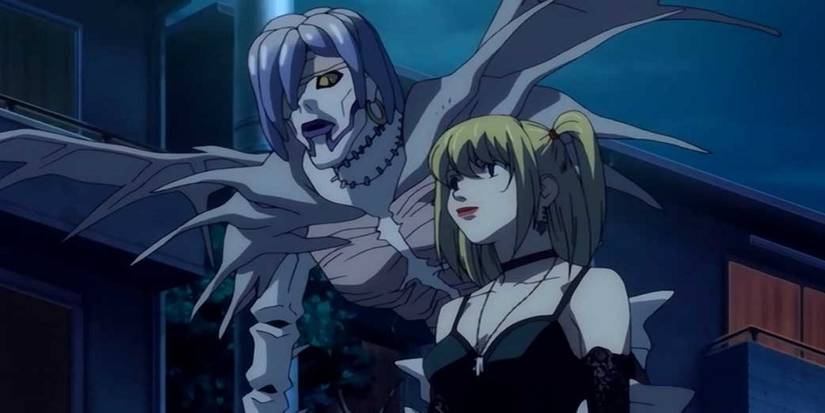
Perhaps the most profound tune within the soundtrack, Rem is used as a way to personify an unexplainable feeling of love, peace, and accepting death. These are all things that are attributed with the character Rem within the show. Her character progression is probably one of the most overlooked within the show due to her acting more as a minor character, however the theme played along with all of her thoughts and actions made me focus on her relevance a lot more.
Rem is a complete representation of loyalty and love.
There are a lot of things that make Death Note such a great anime, but to me it is all elevated tenfold with its indescribable OST. And while I understand why a lot of people have an issue with the second half of the show, I feel that it was important and necessary to culminate in the way that it did. It is still clear to see all of the passion that was still being put into the later season, even if you felt that it may have missed the mark. Personally, I still loved every single second of every episode and my hope is that everyone who has or plans to watch this feels the same way. Death Note is a one of a kind anime and should be on everyone's list of shows to watch before they die.
38 out of 41 users liked this review
