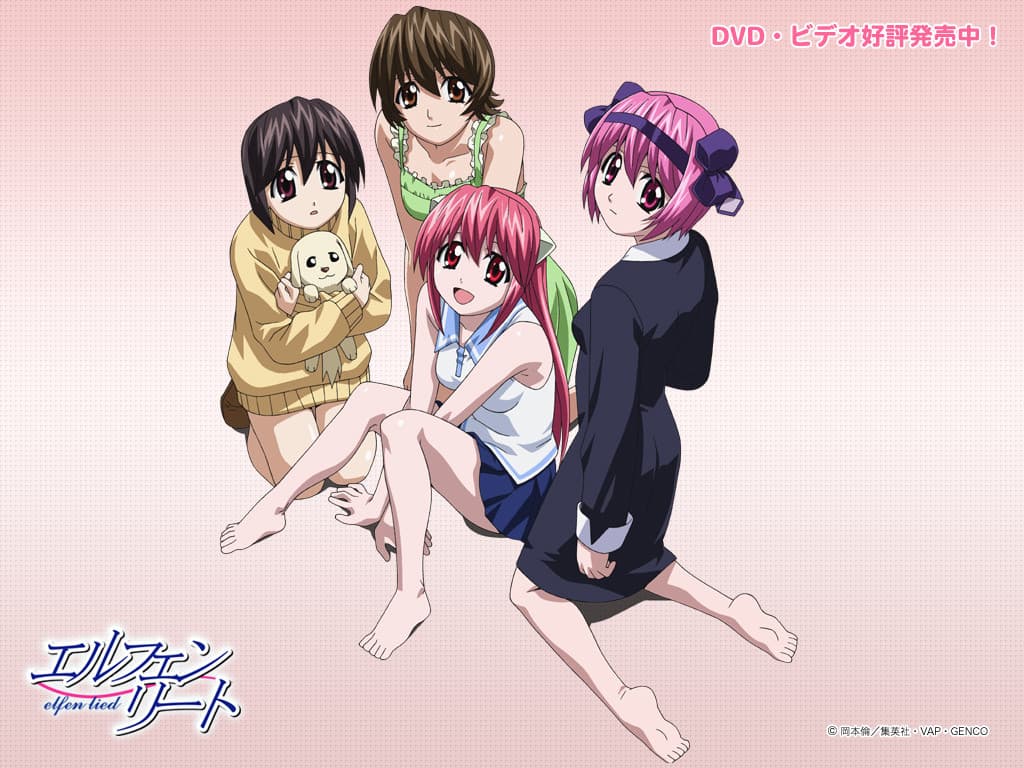
Elfen Lied
a review by doougkun
a review by doougkun
Reading this work in 2026 felt deeply nostalgic, and I can’t deny that this emotional lens heavily influenced my overall rating. Revisiting Elfen Lied after so many years brought back a mix of memories from when I first encountered it, along with a renewed perspective shaped by time and changing tastes. That sense of familiarity made certain moments hit harder than they probably would have otherwise, especially the more emotional and violent scenes that define the series’ identity.
Putting nostalgia aside as much as possible, there are still several elements that stood out to me in a positive way. The gore remains striking and, in a way, almost stylized, contributing to the shock value that Elfen Lied is known for. The horror aspects are well-executed, particularly because of the epidemic-like theme that underpins the narrative. This concept adds an extra layer of tension and unease, making the story feel more expansive than just a typical character-driven drama. I also found some of the main characters genuinely engaging, with enough emotional depth to keep me invested in their arcs, even when the plot veers into more extreme or exaggerated territory.
However, not everything aged as well in my eyes. One of the main drawbacks was the presence of several secondary characters who felt either underdeveloped or outright annoying. What stood out even more was that I barely remembered some of them from my previous experiences with the series, which says a lot about how little impact they ultimately had. Their inclusion sometimes disrupted the pacing or diluted the emotional weight of the central storyline, making certain scenes feel less compelling than they could have been.
Another aspect that didn’t resonate with me was the strong presence of ecchi and harem elements. These tropes have never really appealed to me, and revisiting them now only reinforced that feeling. It becomes even more uncomfortable when considering that most of the characters involved are portrayed as underage, which makes these elements feel more awkward than entertaining. They often clash with the darker, more serious tone of the narrative, creating a kind of tonal inconsistency that can be difficult to ignore.
That said—and this is where my own contradiction comes into play—I have to admit that some of the almost-lesbian scenes were, in a strange way, enjoyable. There’s a certain irony in criticizing the fanservice while still finding parts of it entertaining, and I’m fully aware of that hypocrisy. It’s one of those cases where personal taste doesn’t always align neatly with critical judgment, and I can acknowledge that without trying to justify it too much.
In the end, revisiting Elfen Lied was a mixed experience shaped by both nostalgia and a more critical perspective. While it still succeeds in delivering memorable horror elements, emotional moments, and a unique atmosphere, it also shows clear flaws in its character handling and use of fanservice. Even so, the experience of returning to it after so long was worthwhile, if only for the opportunity to see how my perception has evolved over time.
6 out of 11 users liked this review
