Princess Tutu
a review by seanny
a review by seanny

Tutu comes from a certain culture within Toei Animation. Its shoujo series from Sailor Moon through the turn of the millennium gave birth to numerous industry titans like Kunihiko Ikuhara & his many protégés, and household name Mamoru Hosoda. To call that culture defining would be an understatement, and stalwart director Junichi Satō was arguably the ringleader. Like Ikuhara & Utena, Satō also saw fit to leave the nest with his ex-Toei buddies and eventually create his own postmodern magical girl series. (It would be wrong to attribute Tutu entirely to Satō, but I use him as a reference point for an era of Toei culture.)
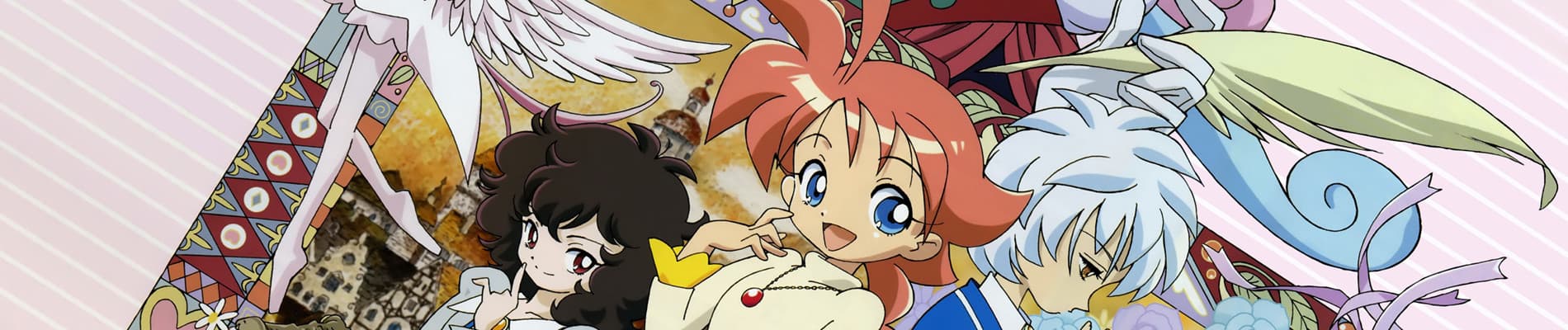
Like Utena, Princess Tutu takes place in a fantasy purgatory world driven by folk tale logic and stage aesthetics. But rather than evoke the gaudy spectacle of Takarazuka Revue musicals, it instead depicts a world of ballet through its lovely, rounded character designs that serve its drama, visual comedy, and highly unusual action scenes.
It has weekly villains. There is a (mercifully brief) transformation ritual. But one does not come to Princess Tutu for its meager genre trappings. It’s a world where the emotional truth is the only truth, and emotion given form through artistic expression is the truest strength. Its supernatural duels are ballet dance battles set to the orchestral swells of romantic-era music. Though the animation itself rarely transcends the ordinary, its inspired designwork and aesthetic ideas create a level of joyous spectacle every episode that is rarely experienced anywhere else.
Its characters, symbols of beauty, tragedy and yearning in a fairy tale world, are only as fleshed out as they need to be; any more and the spell would be broken. Its music pieces that play for minutes on end, sometimes occupying an entire B-part of an episode, lull me into a fantasy in a way that a bog-standard anime BGM wouldn’t. Princess Tutu would lose its very being as a manga or novel — it’s an original anime in the meaningful sense.
Its not without flaws, but even its flaws have character. A cackling, meddlesome god has a knack for disrupting the flow of each episode; he gleefully tortures his audience with his prattling. Its quaint digital effects don’t always hold up, but at least they are employed with relative restraint. Its mildly annoying “quirky” side characters still serve to add some levity and slapstick before the storm rolls over the landscape of this NHK children's anime.
As villains rise to heroism and heroes fall from grace, and as ominous crowfeathers set the stage for another showdown of pointes and pirouettes, Princess Tutu enters its element and all else is forgiven. Or as the old meme goes, the ninjas are tuning their guitars.
Comment on this review36.5 out of 38 users liked this review
