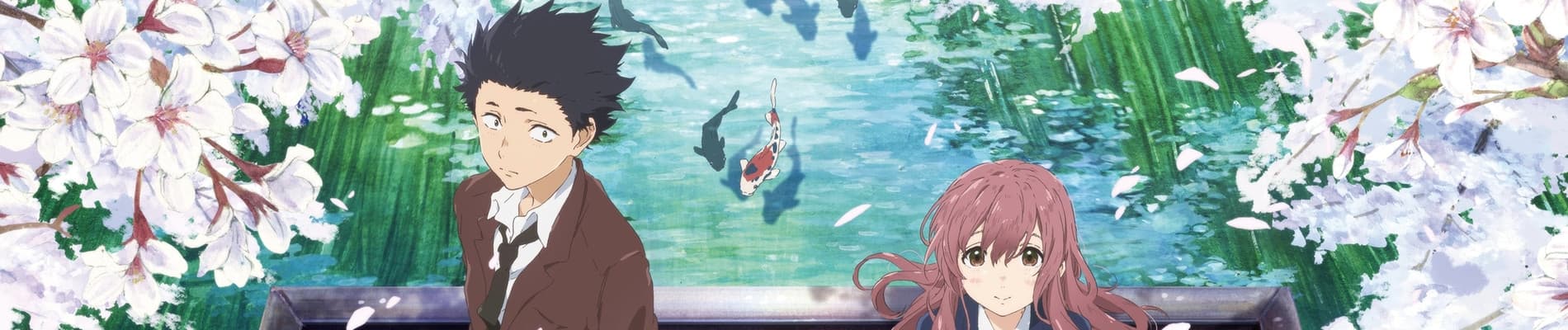
A Silent Voice
a review by heysaca
a review by heysaca
The fundamental character interaction in this movie is super compelling: Shoya and Shoko like each other, but can't be comfortable with each other for good reason: Shoya has issues with self-worth and longs to be free of his guilt from bullying Shoko by being forgiven by her and seeing her happy; Shoko, well, also has issues with self-worth, and also blames herself for the unhappiness and trauma of the other. This leads to a disconnect between them, as both are reluctant to be around the other for fear of hurting them, compounded by the deaf-hearing language barrier. It's a hedgehog's dilemma, an interesting dynamic that I don't see often.
I think the plot here is at its best when it's dealing with this "building a relationship with low self-esteem" angle. Seeing Shoya ostracized (by Shimada, Yuzuru, and Yaeko) and Shoko bullied (by Shoya, Shimada, and Ueno), with them taking the abuse, really strongly establishes how little reason they have to speak to each other, and how little Shoya and Shoko think of themselves. (The blue Xes and looking-down perspectives help with this too: I love when isolation is symbolized in this kind of way, it's evocative and conveys a lot about the person with a simple visual difference.) I also liked seeing Shoya and Shoko in turn trying to help the other with little conversations and interactions, since I could feel the fear and tension that the relationship will go sour and their connection will break. Shoko's confession is heartbreaking, too, and leads to one of the more striking shots in the movie.

I think the character development falls flat in a lot of ways, though. I didn't realize this until I started reading some of the reviews and things after the movie, but I wanted so much more from these characters. Did either Shoya or Shoko change each other? Did either have a well-defined personality to begin with? I'd argue the answer is no to both of these questions: Shoya acts generically mean, then generically anxious and depressed, then generically nice again. Shoko is a punching bag for the duration of the screentime. The two's interactions don't really color their views of the world: I could still totally believe that they have all of the same issues with self-worth, guilt, and anxiety at the end of the move as they did a quarter of the way through. Shoya is on the road to getting better, certainly, but Shoko could still be totally depressed, just with a lifeline: valuable, but nothing like real development. Say what you will about manic pixie dream girls, but they generally succeed at their intention to, well, develop the protagonist.
Without these characters developing, we're left with A Silent Voice as a straightforward friendship/romance movie: two people pull each other back on their feet by always being there for each other. I like it as this kind of movie, but... it's a little weird when there clearly should be character development somewhere? Like, Shoya's group of friends still seem not that close, and so his social anxiety should still be in full swing (I don't know how much of a good gesture 500 swans is, but if I were in that situation things would still be very awkward between my friends and I); Shoko's only lease on life is a romantic interest; there's still a lot of baggage to deal with! And yet, topics like bullying and depression are shrugged off with a "see, they're helping each other be better!" type excuse, leading to a lot of the apologies and happy endings feeling quite unearned.
And Shoko definitely gets the short end of the stick here. Why does she do anything that she does? I've seen that the manga better explains how she develops the feeling of being worthless and harmful to others; I haven't read it, so the movie really springs her depression out of nowhere. I can see how the bullying could traumatize her in such a way, but we never see it happen: we never see her crack and have her feelings shine through. So, throughout the movie, she seems like she's on plot convenience rails, available to be hot and cold to Shoya as the narrative demands. I so wanted more about her, but ultimately she seems like just a cute face being swept along by the plot. (Not going to go into the implications of this relating to her being disabled, but I feel like there's a bit of an issue there.)
I really liked the shot of her reacting to her family crying about her suicide attempt. Her apathy to their mourning her suicide attempt does more to characterize her and make her real than any other part of the movie. It also finally shows that she has some narrative agency, and that she's affecting those around her, rather than being an object for other characters to use. In any case, this shot resonated with me a lot.

I did like the movie though. It made me feel feelings. It's just that I didn't react as much as I thought I would (I didn't cry!!!), and maybe that's because the film is overall fairly unfocused and apparently uncaring about the actual emotional state of the protagonists, besides going through the todo list of "things that cause extreme emotional distress" and we project our feelings about the characters onto them.
71.5 out of 112 users liked this review
