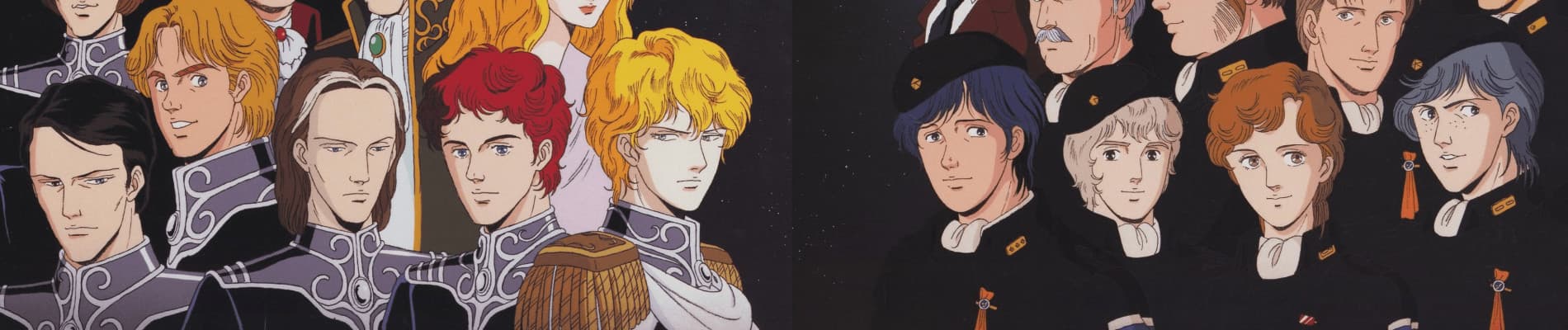
There are few wars between good and evil;most are between good and another good ~ Yang Wen-li.
whats so interesting about LotGH is how critical the narrator is especially with the "honor" of these characters. The series doesn't glorify war even a bit, it is extremely critical of those whose honor were earned with the lives of those they fought against:the millions of nameless corpses that made Yang and Reinhard Etc who they are in the series. The series isn't about them as much, as it's about both of them coming to terms with the hidden costs of their success through the ranks. Reinhard is the master of the universe whose center lies outside of himself in Kircheis.

Yang narrativizes, Reinhard IS the narrative.

Oberstein was vindicated within the end: the narrator is speaking from a neighborhood within the longer term that has finally recognized the appalling waste of human life that results from old-fashioned military honor married to futuristic fleet technology, the purpose being that commanders are so faraway from the realities of the chess pieces they're ordering around that it both makes it nearly impossible for those embedded within the military hierarchy to try to to anything about it, and provides someone like Yang the chance to explode the whole coordinates of the war.

There's a reason Yang is more comfortable with computer simulations than the guns, war has become completely abstracted from its own reality. it needed,a dweeb like Yang to come in and destroy these overblown "men" at their own game. The scale of conflicted handicaps everyone BUT someone like Yang whose historical perspective lends itself to just the kind of cold, analytical manipulation that's needed,tho in Yang's case that coldness is balanced by wellread compassion, Oberstein really was right about almost everything.
~~~~~~
the word limit rule is really stupidddddddddddddddddddddddddddddddddddddddddd.