Black Jack FINAL
a review by Meistro
a review by Meistro
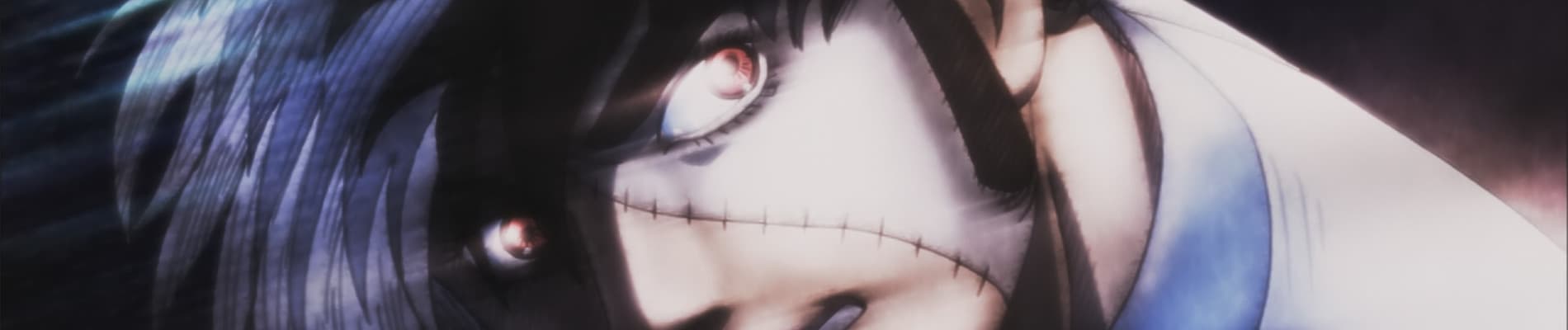
The two new directors, Satoshi Kuwabara (for episode 1) and Masayoshi Nishida (episode 2) did a decent enough job paying tribute to the '93 anime. They used a similar animation style as well as the distinctive Dezaki "pastel-chalked freeze frame," albeit with sleeker 3-D animation shots included. Unfortunately, I'm not really a fan of the use of 3-D animation in anime; it's rarely done well the way Pixar does it. 3-D animation in anime, while allowing the appearance of the characters to have more depth, tends to look a lot less detailed than the hand-drawn animation of the '90s. In the case of this 2011 reboot, it seems like such is the case as well.
The first episode is good enough, exploring the backstory of Pinoko, Dr. Black Jack's pint-sized assistant that I talked about in my Black Jack review. I like it for what it is, explaining how Pinoko's strangely precocious personality at such a seemingly young age. As I mentioned before, Pinoko is an 18 year old "teratoid cystoma" (a made-up medical term for the manga), or in simple terms, a sentient tumor stitched together into human form. Yeah, I know. Anime is weird. This episode involves the female head of the Saionji family known simply as "Lady Yurie" whose body the tumor had come from. It is said that she's technically Pinoko's biological twin sister, but because of the complications of a family curse where one member of twin infants would die in five years or less, Pinoko was born within Yurie's body instead.
I read that in the original manga, Yurie was supposed to be a lot more vain and cruel, treating her sentient tumor as an ugly thing that needs to be removed. It seems that the anime has changed that somehow by giving her a more sympathetic backstory where she reluctantly removes her sister after interacting with her apparition for years, and she has to remove it in order to live on and perform some ritual to break the family curse. Appropriately enough, the ending of the episode is poignant and leaves Yurie with tears of regret for her actions. While I really like this tragic ending, the whole ancient magic ritual element of the story feels a little generic and distracting.
A lot of popular anime that has been catered towards the mainstream demographic (like Detective Conan) seems to have a tendency to use ancient Japanese folk lore as the backdrop for "special episodes" like this. The episode also spends a bit of time exploring the Saionji clan and its traditions of dancing to break the curse every decade. Coincidentally, there is an actual feudal-era Japanese aristocratic clan bearing the same name, but I couldn't find any mention of "dancing" in its Wikipedia article (though Hiyoko Saionji of the Danganronpa video game franchise does play the same role of traditional Japanese dancer as Yurie here, so go figure). Such a focus on Japanese traditions probably has a better appeal in Japan, but for me, I've always preferred the more grounded warfare-related stories in Black Jack that doesn't involve the supernatural as they are more relatable.
The second episode feels like the stronger half of the reboot for me as it once again puts the doctor in a war-torn country in South Korea named "Anryon". It's probably a made-up country as I couldn't find anything on it, but from the uniforms of the soldiers and its generals and the dictatorship of its political structure, it might as well be a substitute for North Korea. Black Jack is abducted this episode and forced to treat the dictator general of the country, one General Che Hyoku, and his glioma tumor (this show sure loves its tumors). There's a femme fatale involved in the form of Jack's bodyguard who goes by the moniker of "L" (who has abandoned her real name, Ajun), and ultimately, it leads to the kind of tragic ending fans of noir fiction should be familiar with by now. It's a familiar tale that once again, in Tezuka-fashion, displays the banality and pointlessness of war and political power struggles, but it does great justice to capture the spirit of the original stories, showing how pacifistic the brooding doctor can be even while under threat. To put this in perspective, he literally still proceeds to heal the general even after being told by L that she's gonna kill him.
In spite of neither stories being as impactful or memorable as the '93 anime, I feel that the reboot does a good job in capturing the character essence of Black Jack while revisiting those old poetic themes of tragedies and warfare so ever present in pre-2000s anime. It also serves as a nice farewell to the well-respected Dezaki and Tezuka. Definitely a sentimental piece for sure that leaves fans of the original anime and manga nostalgic.
9 out of 10 users liked this review
