

This review contains a vaguely-described spoiler.
In my imagination, Grimgar is a product of a classic fantasy anime creator who heard, via a loose second-hand description, that there were these new, popular fantasy meta-genres like “isekai” and “trapped in the MMO”. Without fully understanding it, he said, “I gotta make me one of those!”
The result is something of a Pokeymans Project interpretation of an isekai/mmo anime. Without a hint of irony and hardly any metatextuality, it becomes a new modern twist on an insufferably postmodern genre, recasting it with a profound seriousness to the point of revealing its shortcomings.
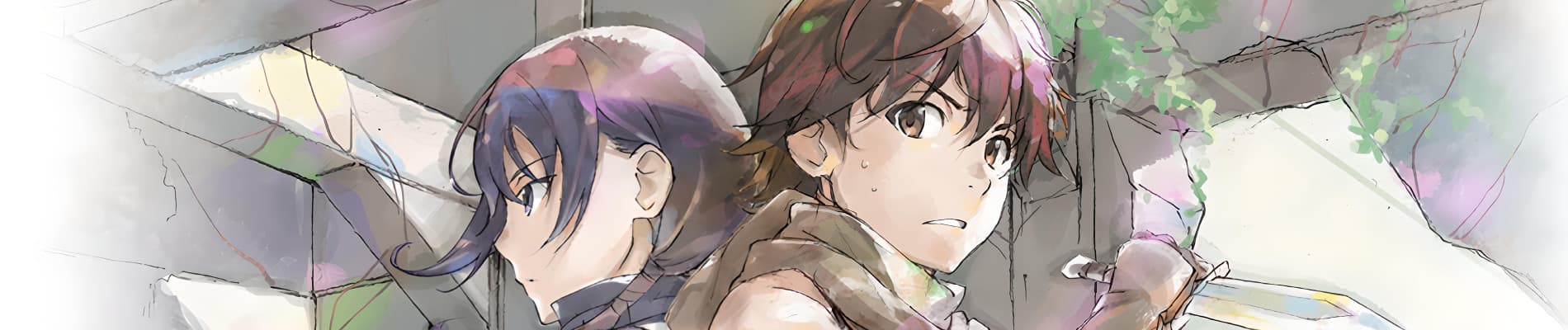
Modern-day people emerge from a stone temple into a strange land with little memory of who they previously were. The circumstances of their arrival are never elaborated, and they must eke out a brutal living as goblin hunters in this desperate fantasy world.

The show depicts this rhythm of life with an unusual attention to its character dynamics and the verisimilitude of its world. Its riveting and sometimes panic-inducing action scenes are given time to breathe with numerous “iyashikei” moments of naturalistic splendor. Alongside conflict and angst are bonding and beauty. Between the slaying of goblins, the hunters run household chores, budget, shop, hike, professionally network at the tavern, and wistfully moon-gaze before hitting the literal hay. However, every day is lived a hair’s breadth from death at the daggers of a goblin ambush or the desolation of poverty. There is no alternative for the mysterious arrivals. Grimgar is the furthest thing from a wish-fulfilling otaku power trip.
Tragedy can strike at any moment. One such tragedy in the series threatens to tear the gang apart; much of the story concerns the overcoming of loss and guilt from the earth-shaking event, requiring feats of compromise and leadership. The fledgling hunters struggle mightily with themselves and one another to meet the moment. These human dynamics are the core strength of the show and its main thrust.
There are some meta-genre trappings in the otherwise poker-faced Grimgar. Though no one ever summons a computer interface, video-game-y elements like loot drops, mana points, guilds, quests and a progression of class-based “abilities” functionally exist in this world. The hows and whys aren’t questioned; that’s just the way things are. The protagonists must band together and make their CRPG-like roles, with their sometimes opposed ideologies, work together as a goblin-hunting unit. Some of these meta-genre elements, as they were always meant as short-hand metaphors, can be a little hard to swallow within the series' otherwise realistic sensibilities.

Likewise, Grimgar also brings with it the inherently racist baggage of Tolkienesque fantasy. The goblins and kobolds are advanced enough for metalworking and agriculture, and can be seen telling jokes and drinking around campfires, yet are slain without question throughout the story despite their observed displays of humanity. Normally, “evil fantasy races” aren’t a problem in the genre, but the series’ commitment to visceral, immersive reality demands a world more complex and believable than those of mere myth. The ethical dissonance constantly tugged at me and suggested a far more sinister world than maybe what was intended. Perhaps this is the cost of a hyper-realistic take on a pulp genre.
But unlike most contemporary anime of its ilk, it believes in everything that it does, and never plays the “it sucks but ironically” card. Despite its ill-calibrated worldbuilding, its attempt at an unironic modern-isekai anime is commendable and engaging. Once postmodernism runs its course, one must evolve by returning to a renewed form of modernism, and Grimgar makes an early stab.
Addendum: