
Samurai Champloo
a review by Jaekoi
a review by Jaekoi
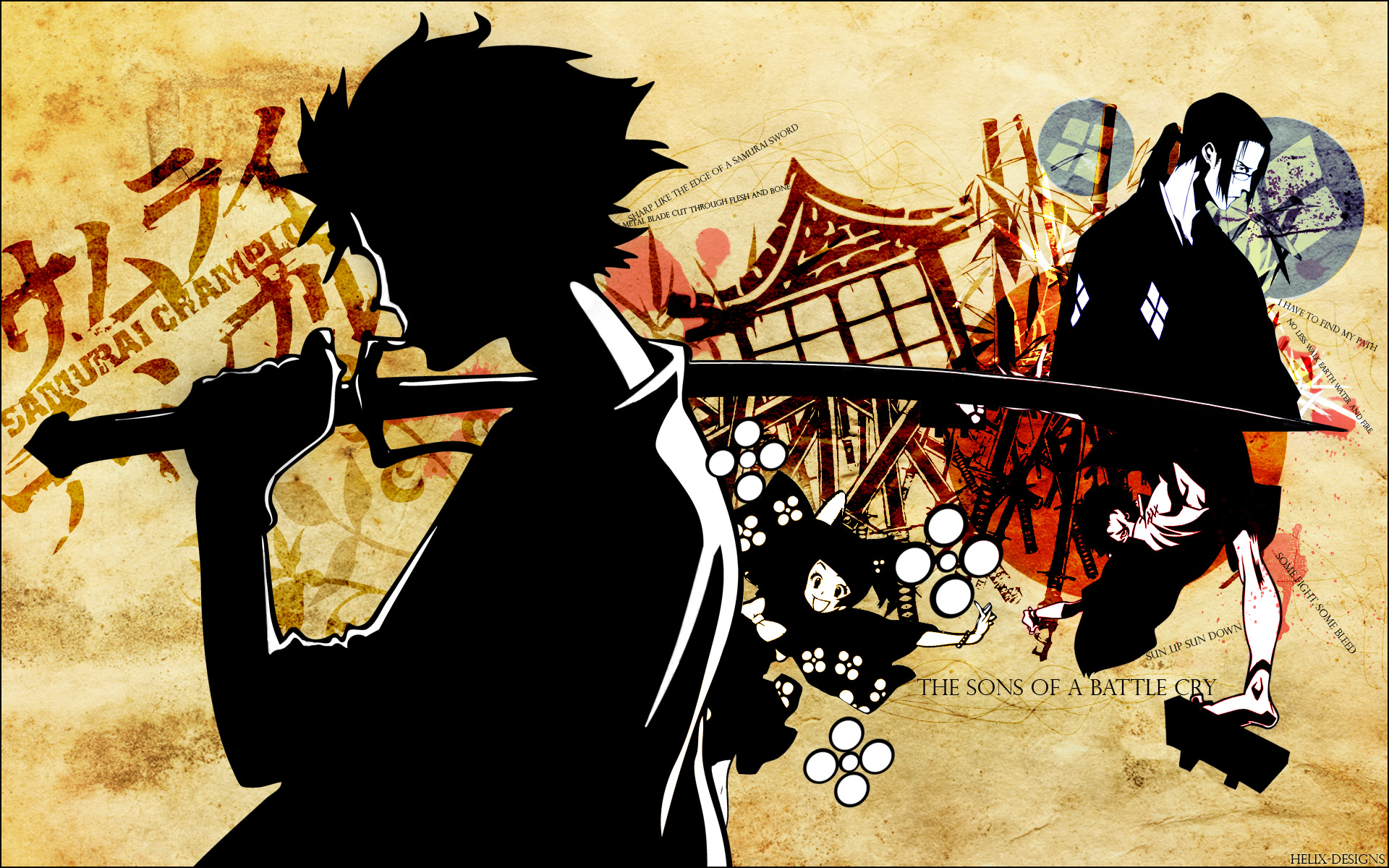
A newborn journey has usually been depicted as a commodity meant to give the viewer satisfaction and closure at its completion. Although, the common fallacy and mistakes of adventure-driven stories lean towards the inconsistencies in narrative structure, followed by artificial punchlines, unnatural characters that have no originality and uniqueness. Furthermore, the results of these misinterpretations end in dull, unvaried writing.
No punchlines. No gimmicks. Only pure vibrance. Samurai Champloo doesn’t follow the rules of traditional storytelling through its composition of chronological, formative events mashed together wherein each episode carries distinctive value. Following the journey of 3 complete opposites banding together to find the samurai who smells of sunflowers, each story aims to entertain, amuse, and leave an efficacious message by the end of it. Some days, the trio could be participating in gambling sessions, eating contests, chugging G-Fuel, or simply experiencing unexpected, unforgettable encounters with different individuals. Samurai Champloo faithfully leans toward a character-driven narrative without forcing self-righteous ideals. It’s wholesome, chill, poignant, comedic, unique, and entertaining. Each episode radiates a sense of profoundness, leading to probably one of the most engaging experiences I’ve viewed in quite a while. It doesn’t rely on carbon-copied gimmicks and writing. Most of all, the dialogue feels ideally simplified, whilst being palpable. With compelling characters like Mugen, Jin, and Fuu and an atmosphere like no other, Samurai Champloo’s reputation is fully cemented as a classic. However, Shinichirō Watanabe's directing is also a core foundation of this tale, being able to think outside the box while emanating the ideal atmosphere, while successfully pacing Champloo's episodic storytelling.
I highly advise that you pay attention to the use of multiple, various soundtracks in each episode, the experience only adds to the enjoyment and entertainment value. Hip-Hop and Lofi culture was highly influenced by the goat Nujabes, who was responsible for most of the tracks used, along with Fat John. If you haven’t listened to any of Nujabes’ songs, I highly advise you to, as it's great for stress-relief, relaxation, study sessions, or maybe if you just want to vibe out to something.

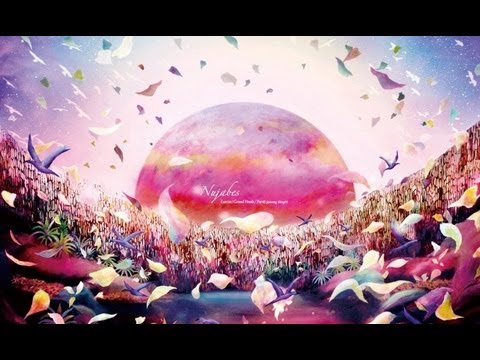
In addition, the soundtracks oozes such a chill, vibrant atmosphere within the premise, and most iconically, is the main reason why this piece of fiction is both unique and affecting.
Why? Samurai Champloo utilizes its historical premise of traditional Edo-era Japan and blends it with a modernized, present-day soundtrack, which is an unconventional combination that signifies originality and diversity. In addition, it emphasizes on the thematic focus of Champloo, the characters themselves, and most importantly, its method of presenting the production's general aura.

Viewing Mugen from an initial perspective, his clothing seemed rather modernized. Furthermore, he's a stubborn individual who lives by no laws and rules. His fighting style is rather unique, bombastic, and explosive, unlike Jin, who traditionally fights with calculated swings and slashes, birthed by the influence of training under his master, Enshiro Mariya. Throughout Samurai Champloo, Mugen and Jin have stumbled across many burdensome predicaments, kindled by their inescapable pasts, influenced by past crimes, instances of self-isolation, and involvement with others. Both are nuanced in similar ways, yet they are distinct from each other. Depicted as complete opposites, Mugen and Jin serves as the backbone of Samurai Champloo. As individuals, Mugen and Jin have gone through some of the most believable character development I’ve seen. In their character arcs, both have faced their pasts head-on, mainly due to accumulating acceptance towards the journey they’ve embarked on together, caused by Fuu’s intentions. Mugen and Jin contrast each other, yet they both learn to value one another. Samurai Champloo rewards the viewer through accompanying their experiences, inside of a narrative that ignites progression, while at the same time, bestows them with a difficulty to eventually overcome.
The amount of effort put into choreographing the action was a sight to behold. Studio Manglobe's animation, being made in 2005, was well-produced for its time frame. The merging of fluid, yet pompous movement of swords swinging, and the use of unique soundtracks makes Samurai Champloo in a caliber of its own. Jin’s sword style is highlighted by sharp, fast, and precise movements, quietly phrasing his chill, calm personality. Mugen’s reckless style is formatted as an endless combination of modernized break-dance movements along with loud, aggressive swings. In general, The choreography reflects many character identities, and is the exclamation point in thrilling action sequences.

Shown as a traditional waitress, Fuu isn’t your typical damsel in distress fated to be saved by the male lead. With the goal of finding the sunflower samurai, which is one of the core themes of Champloo, Fuu may be vexing and bothersome at times, but she is believably equipped with resolve, which is a great addition to Samurai Champloo’s thematics. Furthermore, Fuu is what makes the trio of herself, Mugen, and Jin function in the way the author intended the process to be. As a victim of an isolated past, She is more or less ready to go through thick and thin, along with the companionship of her bodyguards. Fuu isn’t inherently my favorite character like most others, but she is bound to be appreciated, notably through her methodical writing direction towards the last half of Champloo, involving the theme to avoid dwelling on what you can't change.
Samurai Champloo’s core themes lie within discovering purpose. It communicates the message that life has no narrative, no plot, which notions toward the reason why the show intentionally pushes the plot away for 20+ episodes. At the start, we're given the vain attempt of finding the samurai that smells of sunflowers, despite sunflowers having no smell. Now, it's essentially a wild-goose chase that by the end of it, unconditionally means nothing, a foolish unattainability the show presents it as. Mugen and Jin believe that finding stronger enemies to kill is their purpose in life, albeit after their experiences, Samurai Champloo showcases that companionship vastly outweighs living for the sake of violence and more influential, past dilemmas. This odyssey explores the dichotomy of solitude and isolation. Being alone breeds rich togetherness. Discovering purpose never lies within following the orthodox path to success that is “meant for you", as it doesn't exist. It’s about finding the right people who'll instead voyage with you throughout the joys and difficulties. The destination can never rival nor compare to the journey that created those unforgettable memories you made during companionship. Ultimately, what matters is having the right people who'll change you for the better and who'll be by your side through thick and thin.
278 out of 282 users liked this review
