Sekiro: No Defeat Anime Film Review
 Synopsis:
Rhythm is arguably the most important thing about the video game Sekiro: Shadows Die Twice. In the 2019 action game from the acclaimed From Software studios, each fight is decided by how well the player can adjust to the right timing of parrying and striking. Either way you have to be relentless: that's why "Hesitation is Defeat" was the tagline. Even though the game presented a much more traditional narrative than the studio's sparse and austere works like the Bloodborne or Souls games, in Sekiro, to borrow a line from Heat, the action is the juice. So how to translate this into an expansive anime film, a more passive medium?
The answer is still timing, which director Kenichi Kutsuna and editor Yoshinori Murakami demonstrate in a magnificent sequence early in the film, a battle between Sekiro and the desperate lord Genichiro Ashina. Each strike is interrupted by a cut to black to the sound of a wood clapper to a steady increase in pace until Sekiro's arm is cut off. Perhaps this is a low standard to keep, but No Defeat excites in part for its interest in how film language can transform even moments that are more or less 1:1 from the video game, whether that's a new way to communicate a sense of overwhelming speed or reflect the mental state of its stoic and taciturn main character in duels which sometimes reach pure abstraction.
Timing is also where Sekiro: No Defeat perhaps falters too, in the bigger picture at least. The film version, perhaps out of a rather ruthless practicality in what needs to be cut for theatrical over a series, moves at a breathless pace.This would be fine for pure action but Kutsuna and screenwriter Takuya Satou have ambitions for the story beyond the bloodshed and clashes of steel; first signposted by the film opening with an epigraph by one Albert Camus ("there is no love of life without despair about life"), of all things. There's not a lot of room in No Defeat for despairing, as the next scene soon beckons. Sekiro is often accomplishing his objectives within a minute of stating them, and getting little time to reflect on it until the film's latter half, which feels like an odd turnaround from a game which thrived on a sense of friction. Still, Kutsuna and his team have artful ways of creating ellipsis between one scene and the next, his rematch with Genichiro comes around incredibly fast but the way conversations overlap with the scene give it a sense of dramatic heft.
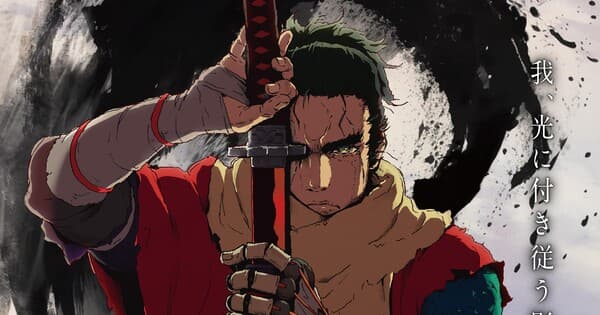
That goes for the art too. Kutsuna's vision of the world of Ashina and the characters struggling for control over it feels like it sits just outside the norm: specifically in its peculiar color choices and and art direction which feels at once illustrative and rough-hewn in its details. Brushes smudge across backgrounds, faces in stills are drawn with a captivating density of linework until the film zooms out (often) into more vague figures. The grit to its illustration and sometimes sickly, sometimes smouldering lighting befits a story about being mired in violence and in trying to find real life in a country being slowly poisoned by its feudal warring. At least in No Defeat Kutsuna and Satou get to rexamine ideas from the source material which felt like they had a ceiling, like the pretense of the "Dragonrot" disease which spreads every time Sekiro (so, the player) dies and resurrects. The film explores this moral burden much further than the game could, and pushes that problem to the forefront through how it clearly traumatizes Kuro.
There are still moments where it finds its own spin on From Software narrative opacity too, where people suddenly talk about things like how a character has "taken the rejuvenating waters" as though this already holds significance.The combination of its striking art and this specific focus make the story feel like it has a real point of view rather than just being the latest piece of IP laundering. Even in its more dutiful moments of adapting the story as it was in the game, that perspective – right down to even choosing one of the games many endings as its own
The cost of winning the video game was the player's time; in Sekiro: No Defeat winning comes with a more pronounced psychological burden. Broadly speaking the plot is the same, where it's different often feels fairly superficial (though there are significant segments of the game which are cut for time). Even so it feels incredibly different, revitalized – perhaps resurrected? – thanks to this focus, all linking back to an idea of trying to navigate out of a warlike state of mind, and measuring up the value of immortality if it just means more fighting. Sekiro: No Defeat transforms the notoriously challenging game into a story where violence comes easy, but peace is hard won.