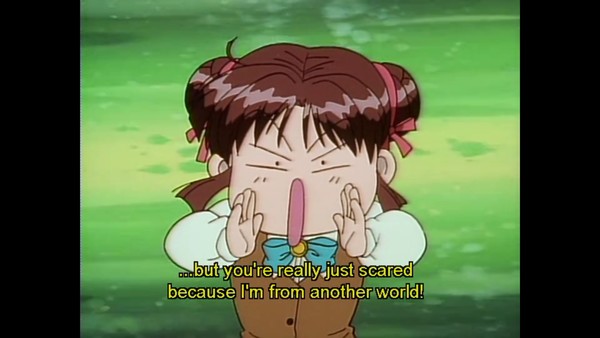
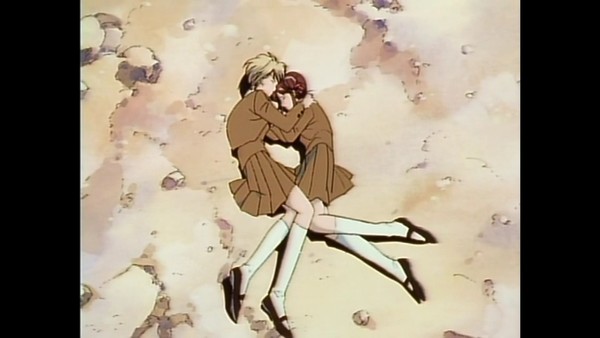
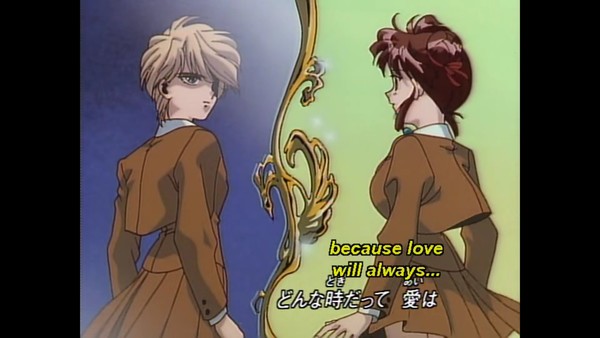
One kind of isekai is on the wane, but another, earlier form seems to be ascendant! Chris and Sylvia hop in their time machine for a look at when the genre was primarily aimed at girls.
Disclaimer:The views and opinions expressed by the participants in this chatlog are not the views of Anime News Network. Spoiler Warning for discussion of the series ahead.
Crunchyroll streams Magic Knight Rayearth, Fushigi Yugi, and The Twelve Kingdoms.
Viz Manga hosts From Far Away and Red River.
AppleTV streams Escaflowne.
@RiderStrike
@BWProwl
@LucasDeRuyter
@vestenet
Sylvia
Chris, I don't know if you've heard, but there is a light o'er yon horizon. After years and years of our complaints, gripes, and quips, the overlords at Kadokawa have finally deigned to admit that they might have gone a little too hard on the whole isekai thing. They dun goofed. They relied on Truck-kun's generosity one too many times. We are so close to being free. Like a great weight being lifted off my shoulders.
Yet...what if the problem was never isekai in the first place? What if there were a different way the genre could have taken? A different world we might have traversed, with different priorities and different storytelling capabilities? And what if we did a column on a bunch of those right now?
Chris
The light at the end of the tunnel might be headlights from yet another truck, but there's always another, more inviting world. Experienced (read: old) anime fans like ourselves can tell youngsters that "isekai" used to be synonymous with a rather different kind of series...one that might be making a comeback if some upcoming adaptations this year are any indication.
That's right, hope y'all enjoyed us talking about shoujos in shonen last week, because there was a time when the isekai setup was largely a shoujo trope! And with new anime versions of Red River and From Far Away announced on the horizon, it's time we did our due diligence. Aw yeah, mid-season retro isekai sampler, baby!
It's funny. I always held the idea in abstract that isekai was more or less originally a shoujo thing. Heck, my first isekai anime was Escaflowne way back in the day, and it is very easy to differentiate that series' influences from our more modern descendants of Sword Art Online and Mushoku Tensei. But I don't think I ever appreciated how many different shoujo (or otherwise girl-targeted) isekai existed, especially around the 1990s.
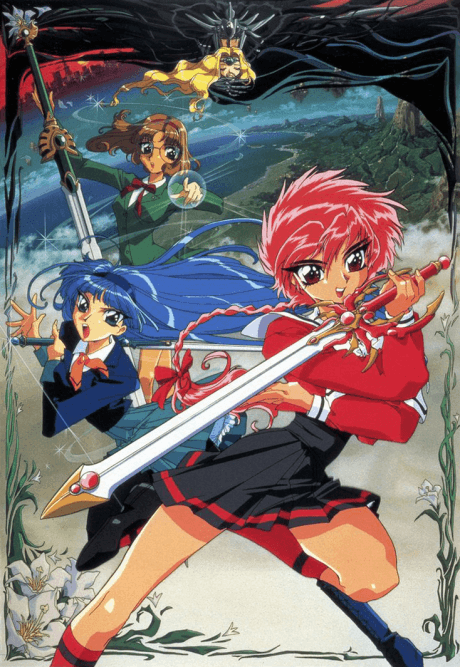
In fact, one reason we might be currently seeing a resurgence of shoujo isekai is that time gap, which is long enough to foster a sense of nostalgia. After all, another series expected later this year is a remake of Magic Knight Rayearth, a show that is, to me, about as '90s as it gets.
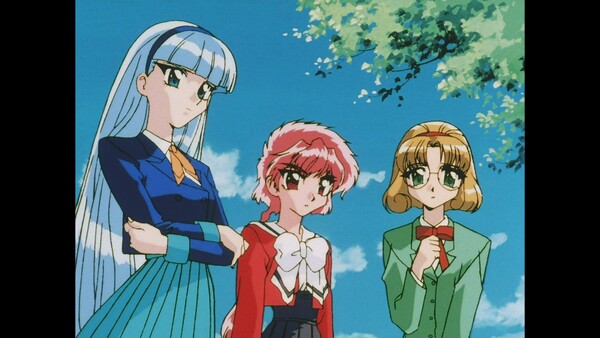
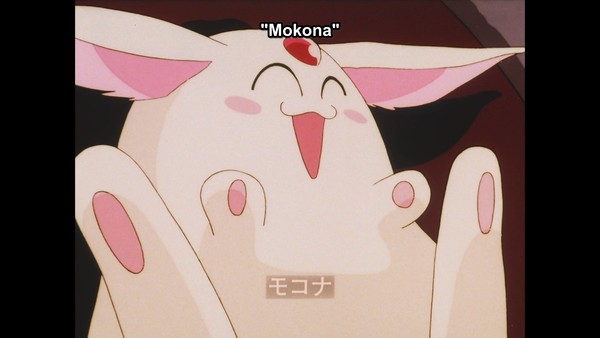
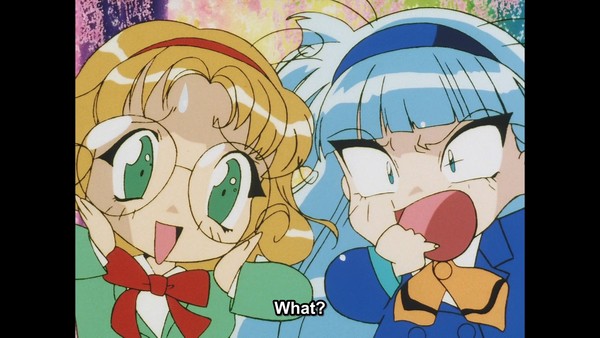
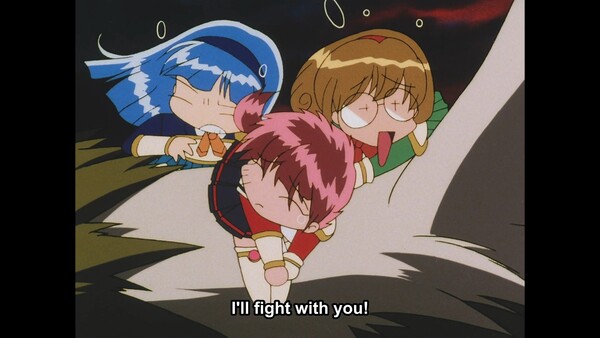
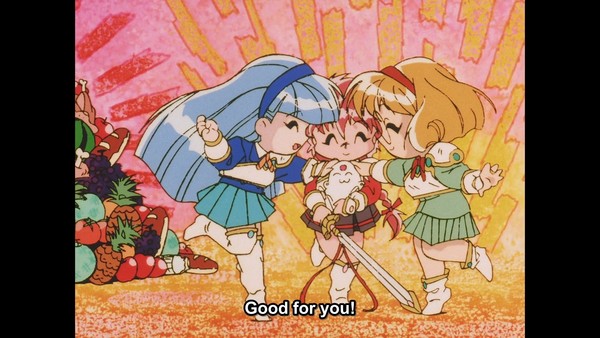
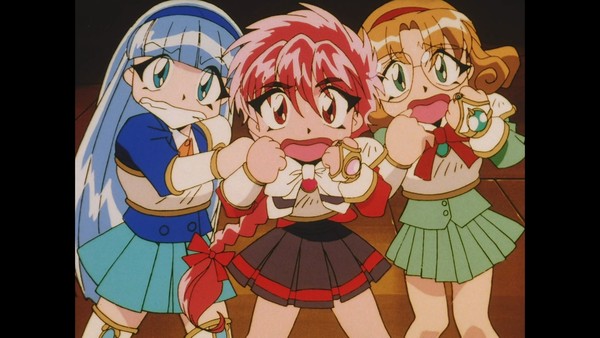
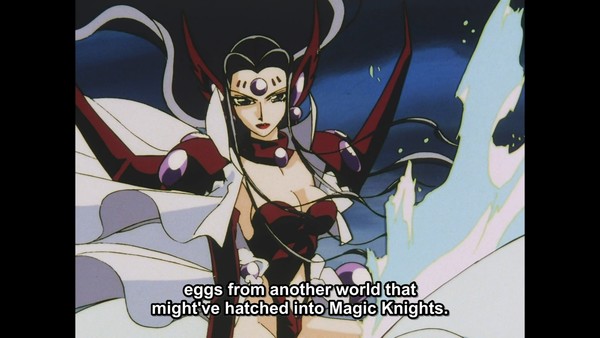
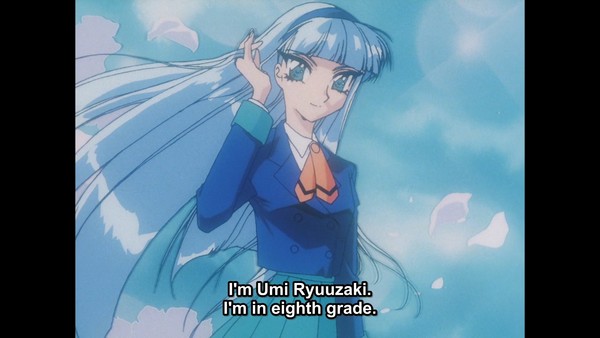
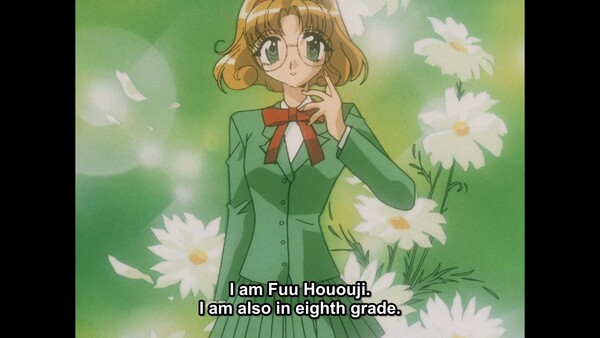
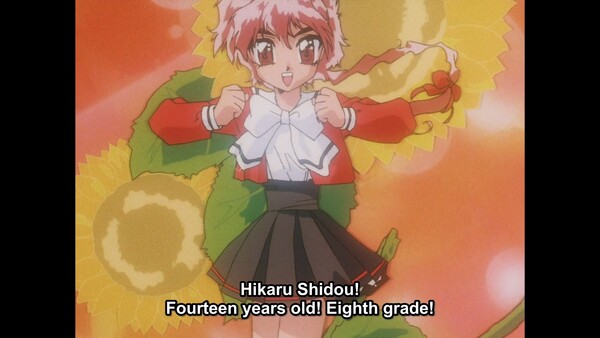
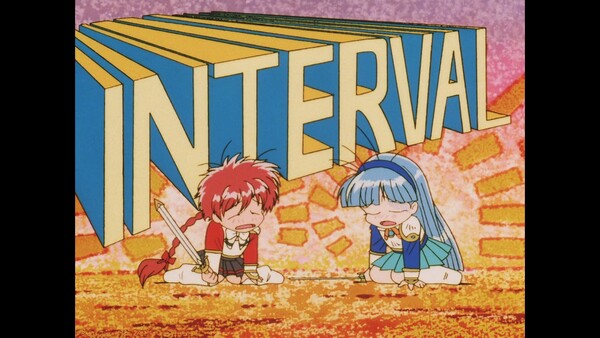
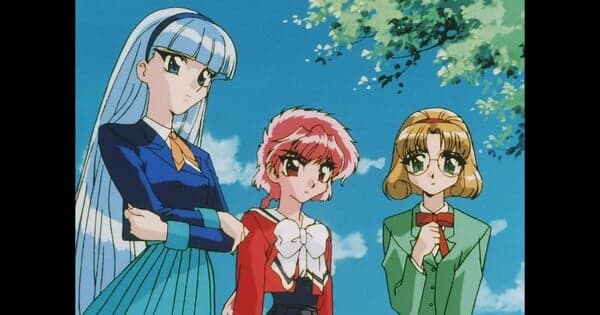
And Rayearth is indeed an ideal example of the kinds of excess this genre was operating just fine on before Kirito moved in and gentrified things. It's got a lot of the stock Dungeons & Dragons setup that's familiar in so many isekai to this day, but also? Is it kind of a magical girl series? And a mecha series too? Also copious amounts of chibi cut-ins.
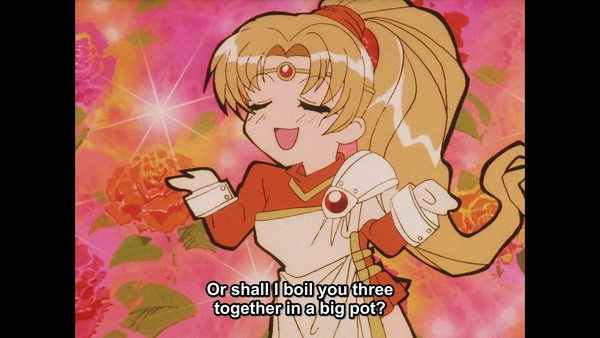
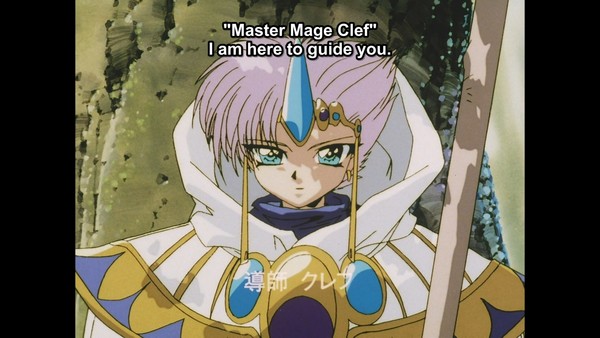
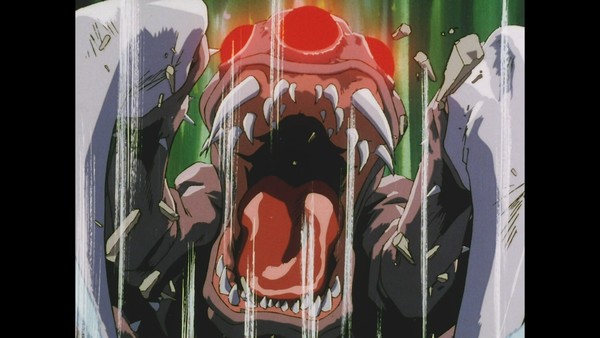
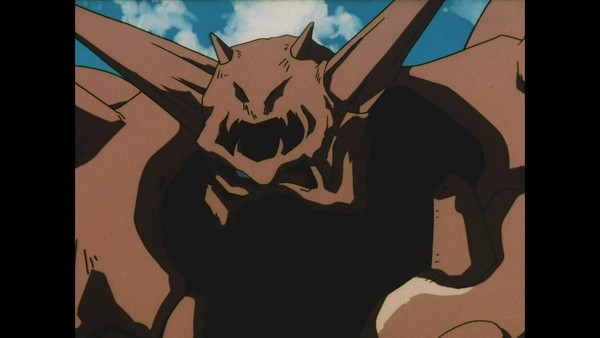
Also, another thing that quickly struck me about Rayearth is how distinctive and evocative the character and creature designs are. Like, yes, comparing most anime/manga on that front to CLAMP is not going to be a favorable mashup for them, but so many modern isekai adaptations seem to lack any sauce whatsoever. Rayearth even makes the big ugly mud monster look somehow cool.
I have to remind myself, "It's CLAMP," every time I question why the show's sensibilities were so good. So at least the new series will have that going for it as well.
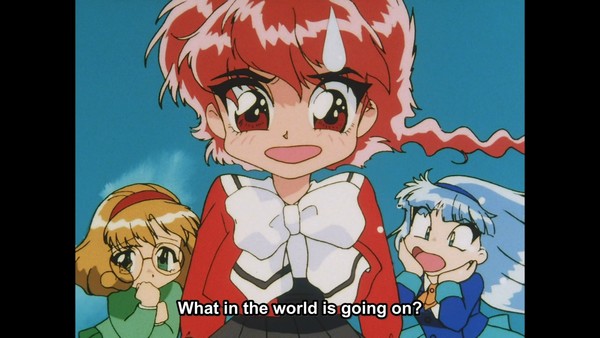
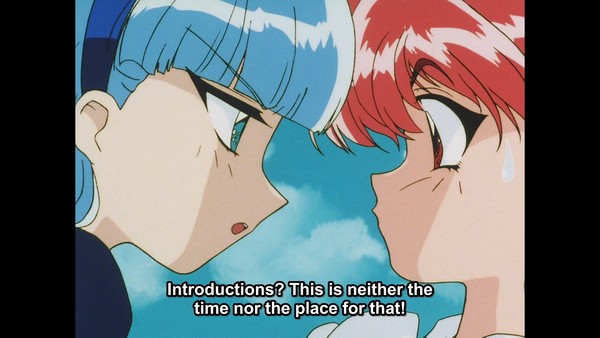
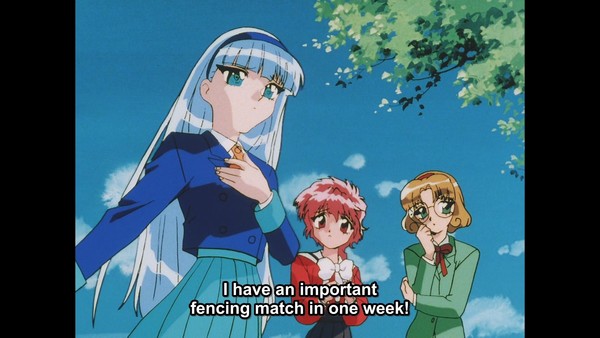
It's further propped up by punching above the potato-grade personalities populating plenty of others. Magic Knight Rayearth is definitely pitching a bit younger, but that means it's eager to make sure its characters come off with some character right away, and it works with this somewhat archetypical magical girl trio of tempers.
Umi's already my favorite for how she...kind of sucks.
Unfortunately, I am also weak for girls with terrible personalities who fence.
But yeah, fundamentally, Rayearth just has the, well, fundamentals—those of a more traditional kind than the set of tropes that bled into Narou isekai. So even though Rayearth's appeal doesn't quite skew to my current tastes, I can still appreciate its appeal much more readily. And I'm interested in seeing what the new adaptation might bring to the table. I hope it knows it has big shoes (and small chibis) to fill.
Comparing it to the new one when it comes out will serve as an interesting window into where sensibilities are for these things. Because Rayearth '94 was a manga that only had like three volumes adapted into a 49-episode television series. Remember when that sort of thing was feasible?
It does mean that this show can sometimes feel like it's not in a hurry, in that chatting-around-the-tabletop-game sort of way. I can mostly respect it, and it's an odd reminder of how these things have changed just beyond the base demographics.
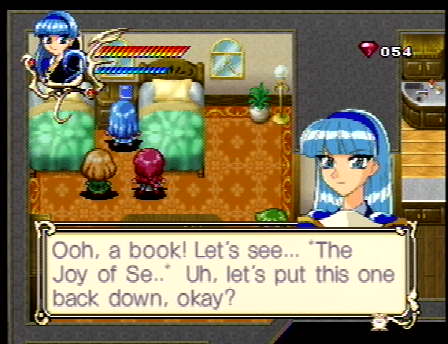
Or maybe I'll just miss the possibility of modern use of the Working Designs localization of the Saturn game. We could be putting Umi through so much more.
Hmm, making Umi even worse. Something very important to consider indeed. And for the record, I am pro-meandering. The anti-"filler" propaganda of the last two or three decades has done tremendous damage to the artform, if you ask me. But that might be a topic for another time.
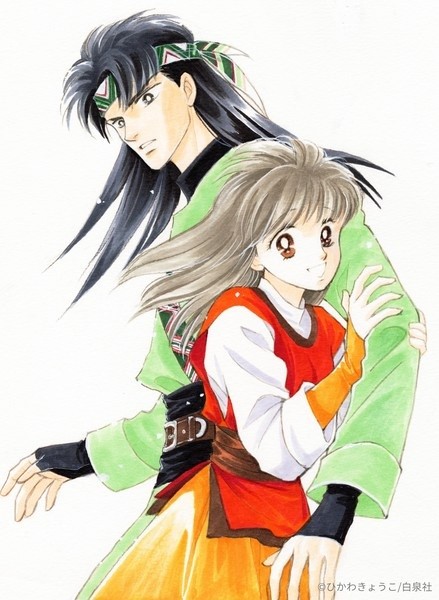
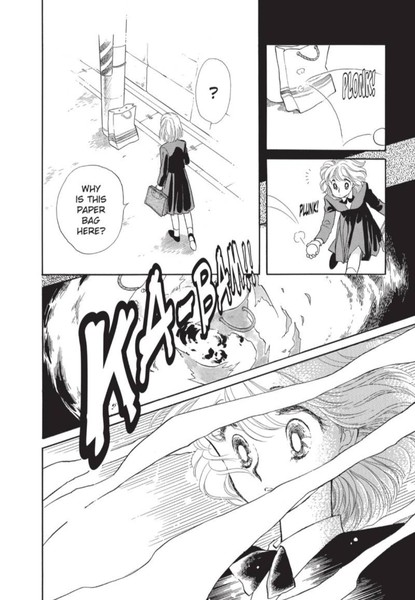
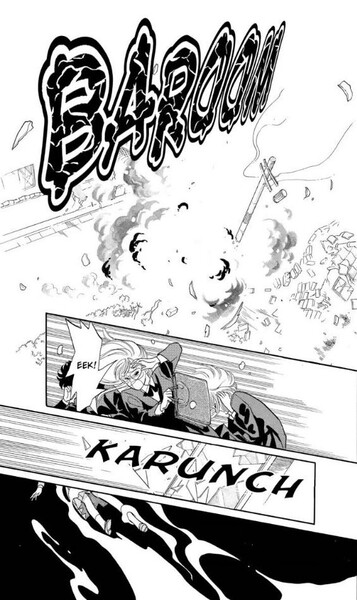
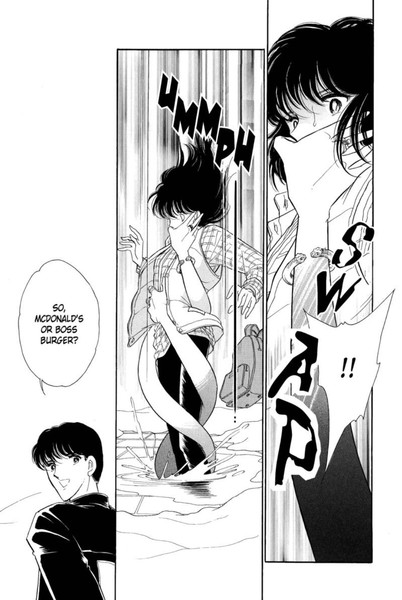
For now, as you mentioned earlier, we not only have a Rayearth reboot, but we have two forthcoming adaptations of two shoujo isekai manga that have never gotten the anime treatment before. The first of those is From Far Away, which foregoes Truck-kun for the far more compact Bomb-in-a-Paper-Bag-kun.
I always appreciate when an isekai mixes up the mode of death at least a little bit, so it's nice to see that even in 1991, the likes of Kyoko Hikawa were innovating.
We see her friends looking for bits of her afterward; it's brilliant. Is the mad bomber still on the run after this? Doesn't matter, Noriko's got bigger problems now!
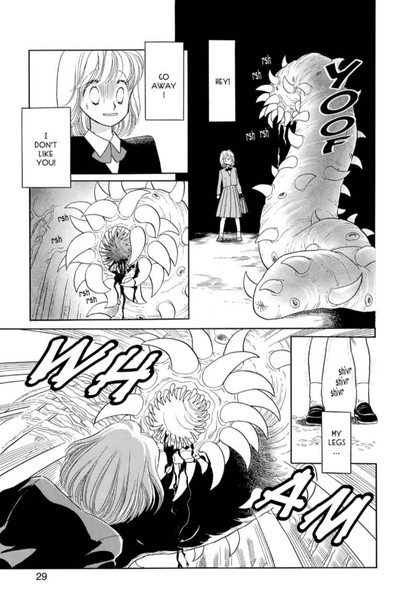
Seriously, I like how much peril the story throws at Noriko right away. From Far Away does not mess around. There's no leisurely pulling up of a status screen and allocating her new stat points. She has to worry about the big worm.
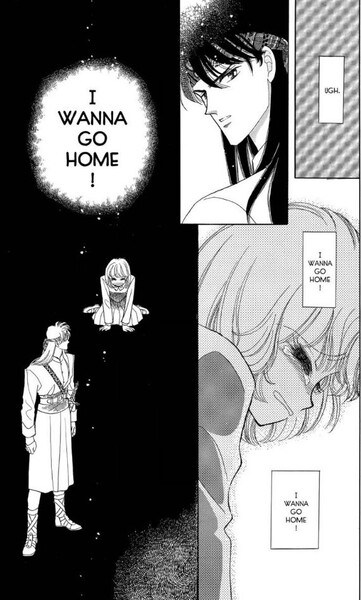
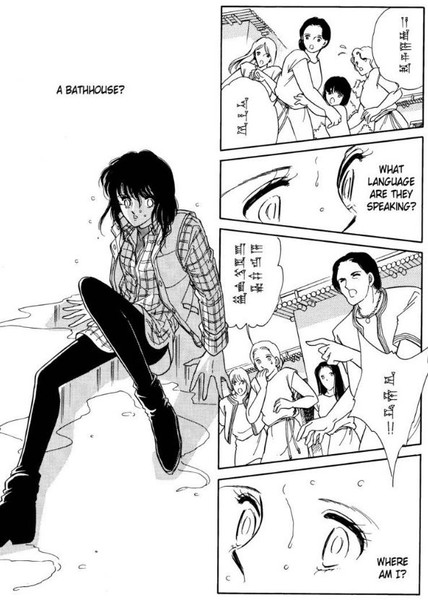
Quite a few of these series thrive on putting their leading ladies in peril to start (the Rayearth girls had it easy at the outset, comparatively), and it highlights the difference in approach and direction. Isekai leads used to want to try to find their way home! And that was because these worlds were scary, dangerous places for regular high school kids where they might not even speak the language!
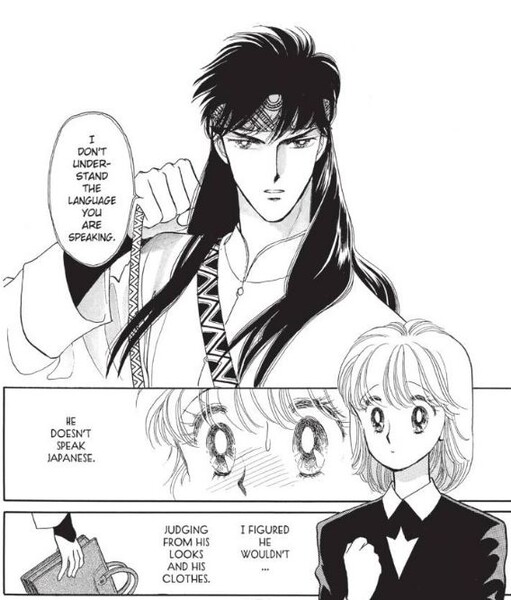
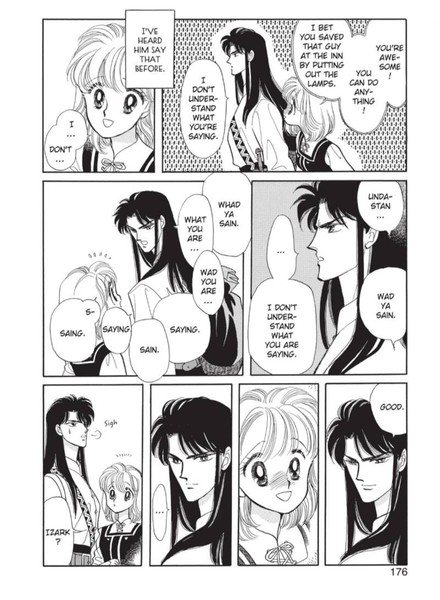
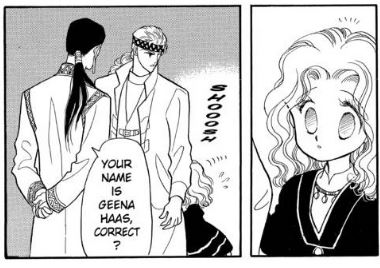
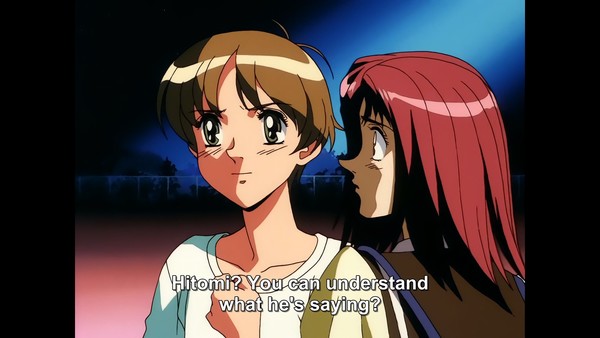
A lot of the series from this era actually hone in on the linguistic issues that oughta be inherent to cross-world travel, and I am here for it compared to the way it's glossed over in modern times.
I agree! And I understand why most authors would handwave the problem away—their interests likely lie elsewhere—but in From Far Away especially, it enriches the narrative and forms a basis for the beginning of Noriko and Izark's relationship. It's an interesting challenge for a writer, and I'm glad to see Hikawa tackle it fearlessly.
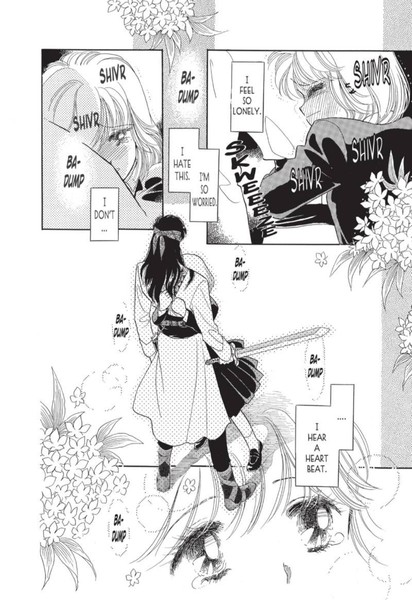
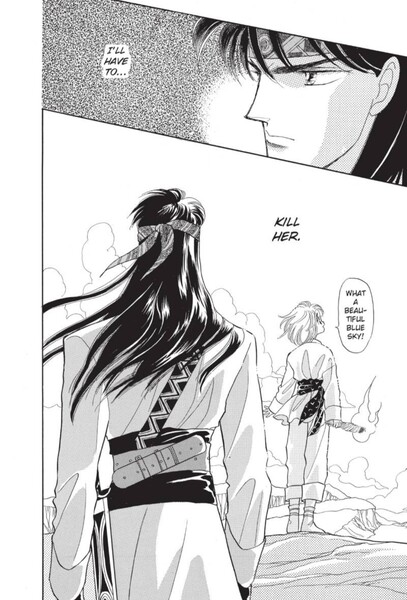
Friction is what makes a story interesting! I think there's a temptation in a lot of people to oversimplify shoujo as nothing but fluffy romances, and that couldn't be further from the truth. Sure, we get a flowery page of Noriko going doki-doki for Izark, but we have to weigh that against Izark solemnly contemplating whether he might need to kill this strange girl who can't even understand him.
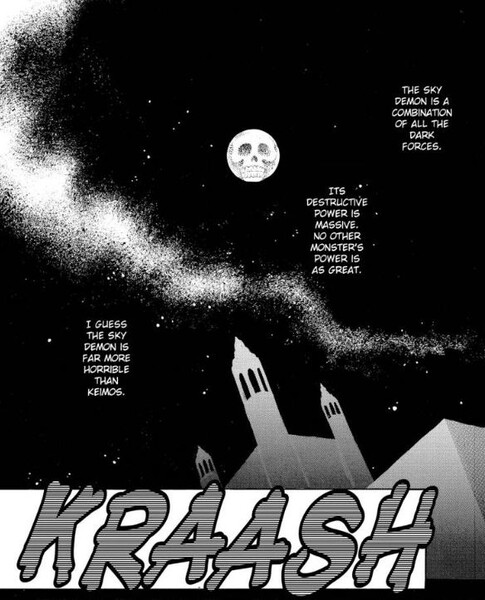
There's so much tension even as the setup's only a couple of characters who can't even properly communicate with each other! It expands things as it goes on, of course, but even Noriko's foregone chosen-one status is more about her potentially threatening the world with Majora's Mask moon predicted by this weird little psychic girl.
So, worms, psychic tykes...you think Hikawa was a fan of Dune?
She probably has strong opinions on the adaptational choices/differences across Lynch's 1984 film and Villeneuve's take, yes.
Anyway, I'm very impressed by the first volume of the manga. I want to read more, and I want to see what the anime does with the material. The adaptation's announcement seemed very random to me at the time—I hadn't even heard of the series at that point—but now I know I was missing out.
Same, it's almost a wonder to encounter something from this far back and recognize how ahead-of-the-time it was. I should shout out our editor, Rebecca, for suggesting that we check out these original manga. She did so very gently, I mean, she enthusiastically lobbed gifted digital editions at us. It's valuable because while From Far Away was off my radar too, I saw plenty of buzz when this other anime adaptation was announced.
Isekai opinions that will get you into this situation?
Portrait of every writer in this column when the seasonal sampler comes around.
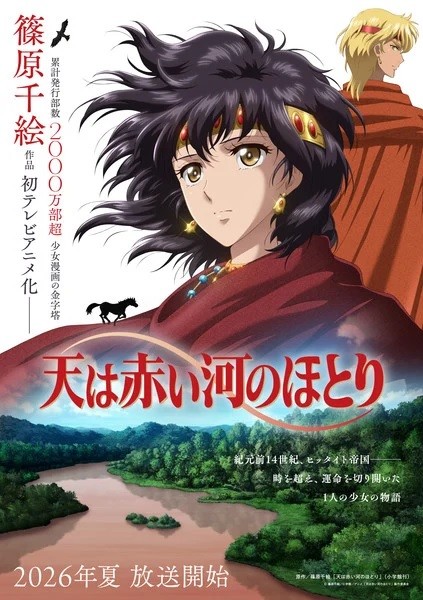
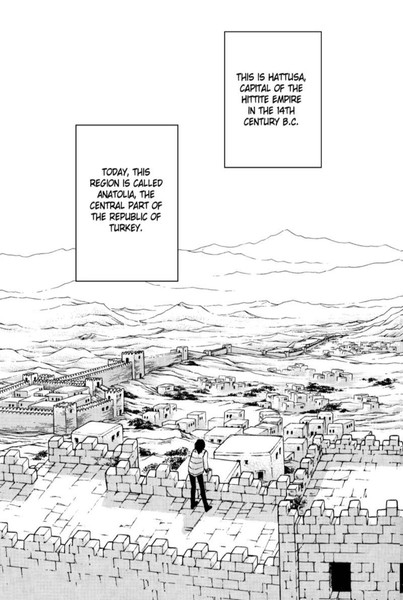
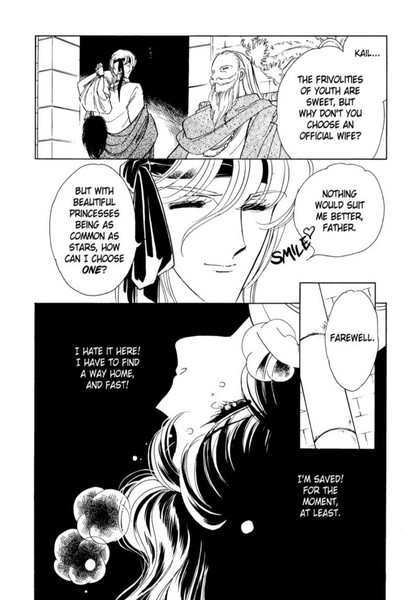
Whereas From Far Away takes its isekai interests to the realm of far-flung fantasy, Red River reins itself into more of a time travel situation, with its heroine Yuri getting dragged back about 3000 years to the heyday of the Hittite Empire. Which, in itself, sets it apart from every other isekai I can think of off the top of my head. There aren't many manga that double as an historical survey of Anatolian antiquity.
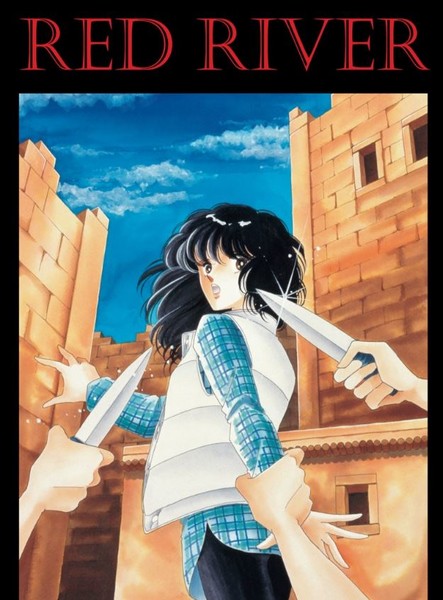
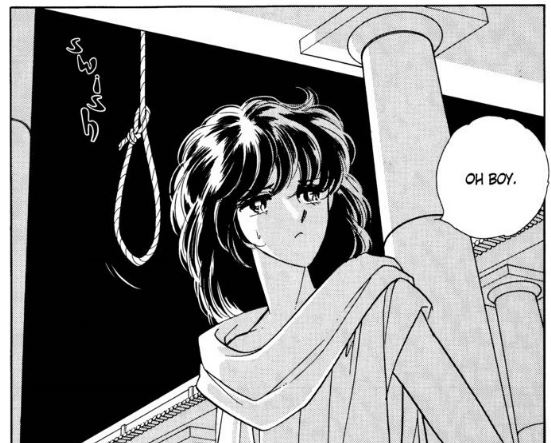
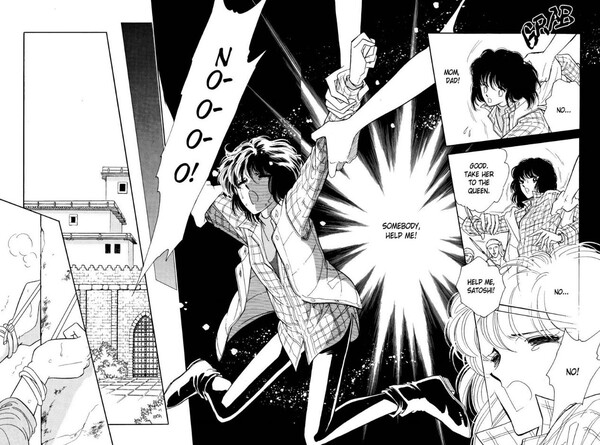
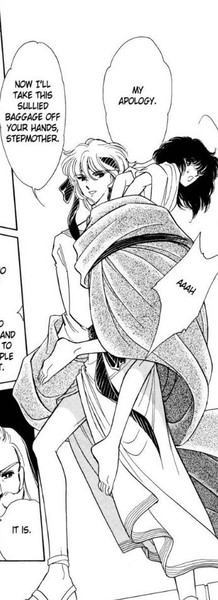
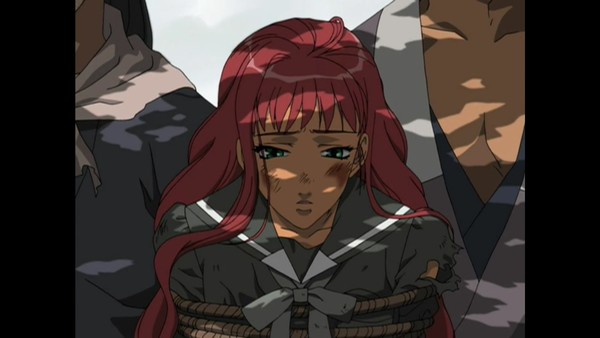
She also has to deal with...a lot more. Like I know I touched on this element with Noriko in From Far Away, but as evidenced by that cover, Yuri gets put through it in Red River!
More like pulled through it. Because of all the hands.
But yeah, they want her ass dead in Hattusa. Like super dead.
It almost reaches sketch comedy heights with all the different ways the evil queen comes up with to try to get her ass. I need the upcoming adaptation to properly convey the madcap murdery pacing of this series.
I appreciate Yuri's attempts at a go-getter attitude as she finds her way in this story. But I'm shocked she doesn't learn a little extra caution given how dedicated this living history lesson is to constantly getting her tied up, almost sacrificed, or almost sexually assaulted. Interesting reminder that just because girls are the target demographic does not guarantee them an easy time in an isekai.
If anything, it guarantees the exact opposite! That's what fiction is for, after all. It's a controlled space to indulge, interrogate, and otherwise explore stuff that might feel unsavory or weird in real life. Our world puts young girls through the wringer as it is, so transplanting these feelings into a more fantastical setting constitutes both commentary and a kind of escapism. And I may be biased, but this kind of escapism interests me far more than the straightforward power fantasies of many modern isekai. A series like Red River balances danger and titillation deftly. Which is to say, even Yuri's savior manhandles her throughout the entire first volume.
And I agree with your take regarding the escapism. Isekai, and even world-transportation stories in general, used to use the alternate worlds as a vector to impart growth and development for their characters, often before returning them to their original setting, now more worldly and well-adjusted. I don't know if that's precisely where Yuri winds up over the course of Red River's 28 volumes, but she's going somewhere, and I'm interested in finding out!
Ditto! And again, pretty darn cool that it's going to air in proximity to From Far Away and Magic Knight Rayearth. Between those three series, we already see a lot of the variety that shoujo sensibilities impart on the isekai premise.
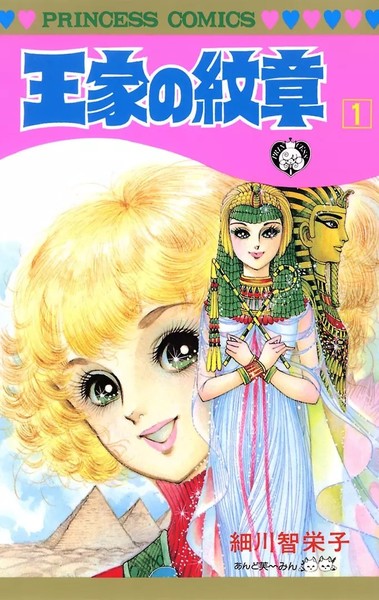
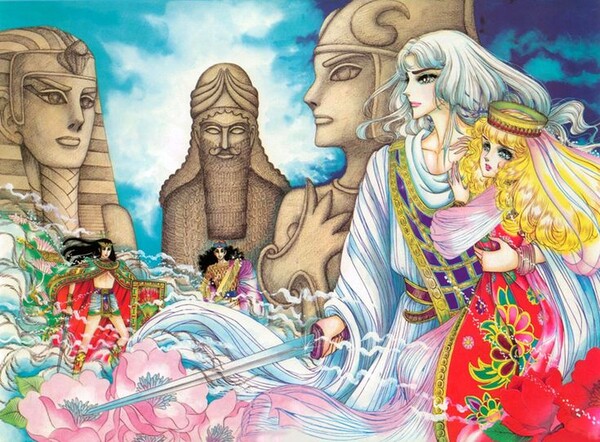
However, that's hardly the extent of shoujo isekai. There's a lot more. Our aforementioned Shoujo Sensei Rebecca pointed us towards Ouke no Monshou as a probable origin point—a manga that started in 1976 and still hasn't wrapped up 50 years later. That's half a century! 70 volumes and counting!
It's crazy how you rarely hear it enter the conversation about long-running manga, to say nothing of being foundational to the whole genre that still rules (in its warped form) the anime landscape today. Ouke no Monshou's ancient Egypt setting was likely even an inspiration on Red River's own time-traveling setting!
Of course, its length, age, and the fact that it's shoujo means chances are slim for it to get a license over here, and the respect its pedigree oughta deserve.
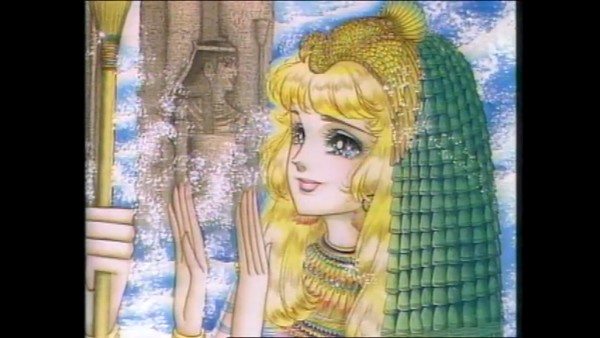
As a point of curiosity, it has "technically" received an anime adaptation, in that they made an OVA for the manga's 20th anniversary, although it's more of a collage of colored manga art mixed with various effects and live-action footage with a voiceover summarizing the story. So not really a normal anime adaptation. But it does have music from Joe Hisaishi! If you look it up on YouTube, you might even find a Laserdisc rip of it broken up into four videos.
Look, it's only fair, given what we Americans have done to stories about ancient Egypt, both time-travel and otherwise. And even classic isekai could show appreciation for other American innovations.
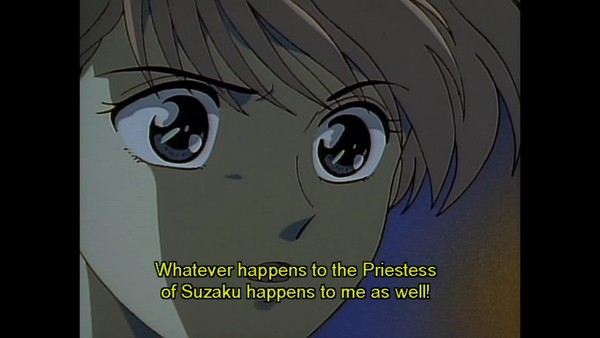
Truly an alternate world. Fushigi Yugi is a series I knew by reputation; it felt like every other person I knew getting into anime and manga back in high school was deep in for this series.
From what I've seen, I like it too, but feel like for probably subtly different reasons than they did.
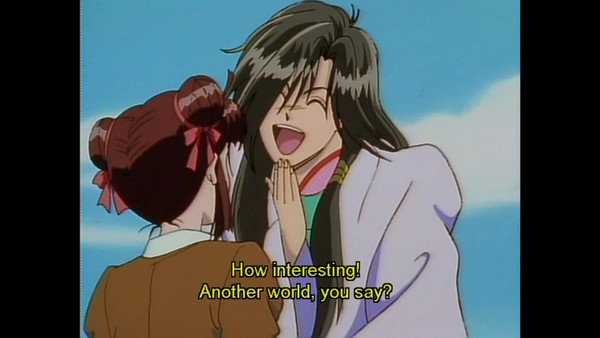
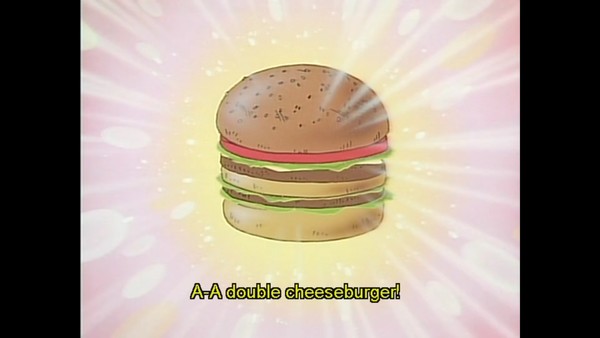
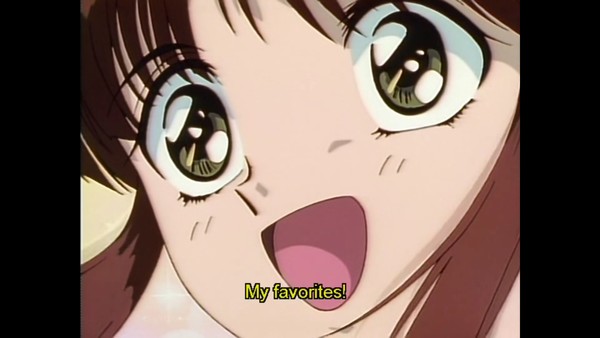
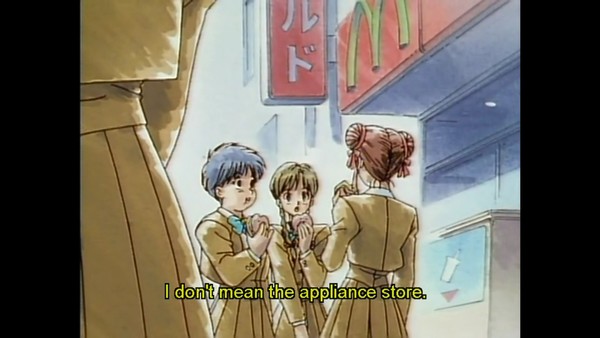
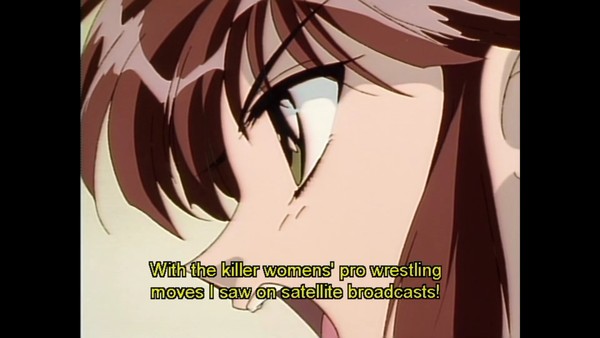
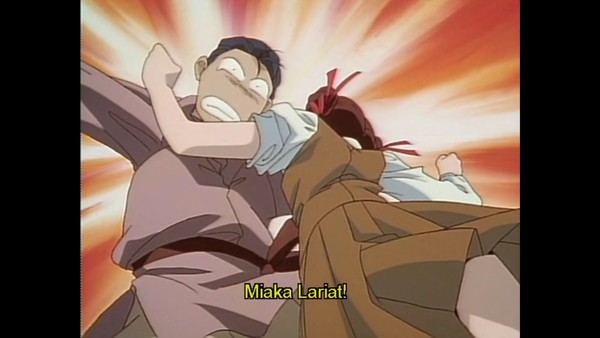
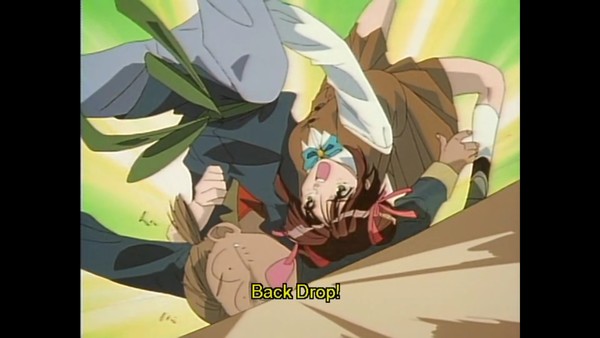
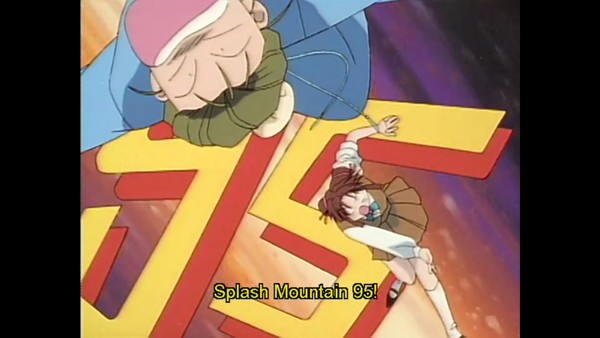
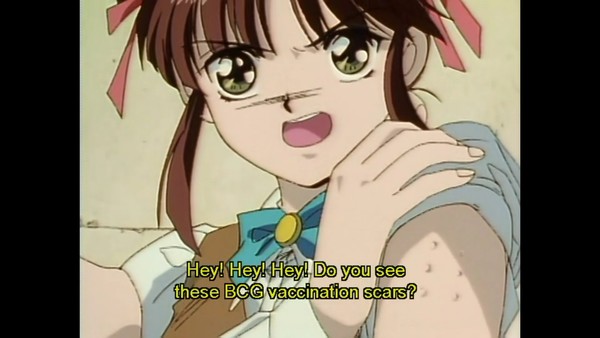
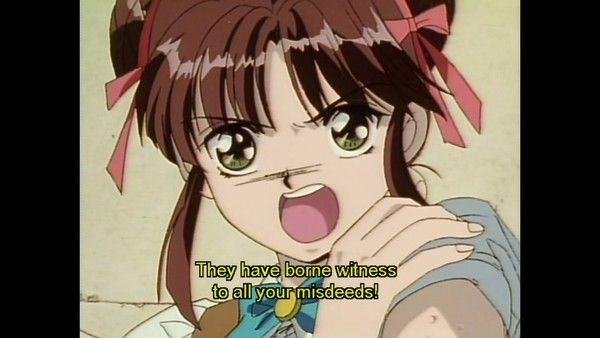
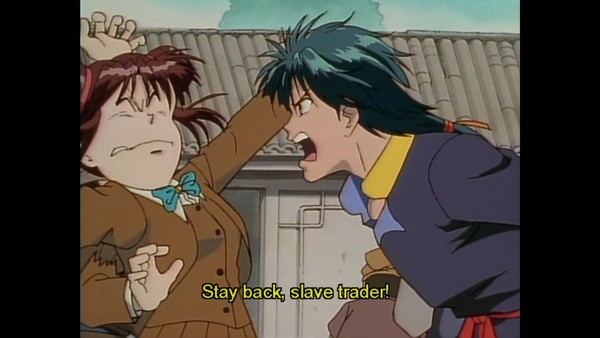
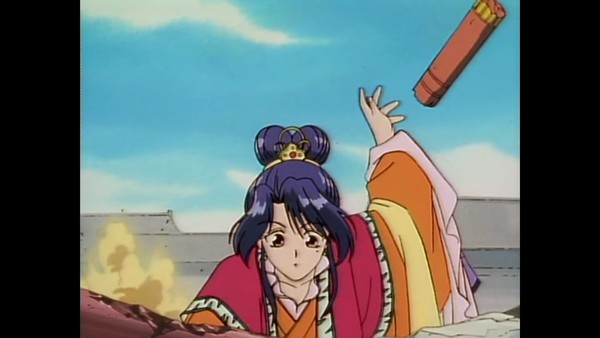
I had pretty much the same experience. It felt ubiquitous at the time, but I just never checked it out. And oh my god, the first episode throws a truly gargantuan pile of spaghetti at the wall: Miaka and Yui's parallel stories and metanarrative, those wrestling moves, slave traders and threats of sexual assault, hamburgers, phoenixes, ancient China, intimidation through vaccination scars, and much more.
You know I appreciate when an isekai intro actually throws me for a loop, and that applies even in 1995. Plus it's passing the "slavery=bad" bar all the way back then, so that's something too.
From what I've seen and what I know, Fushigi Yugi focuses a fair bit on the romance aspect of it all, as Miaka starts collecting destined dudes like Dragon Balls.
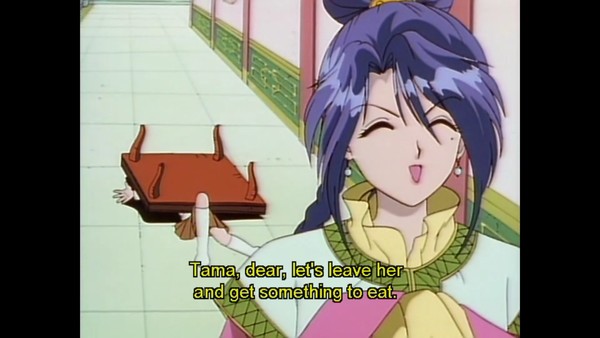
Or so I thought. I assumed they'd all be eligible bachelors, but then one of the VIPs winds up being this rad super-strong lady who immediately jumps to playing Miaka's romantic rival! As we said, there is a lot here!
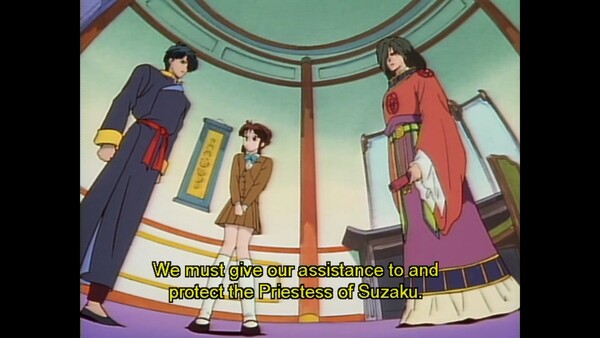
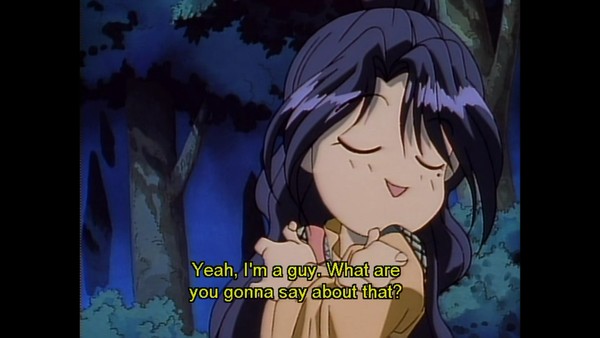
That's right, Fushigi Yugi has a heaping helping of Gender as well! Nuriko switches between female and male presentations. The emperor appears disguised as a woman in the second episode. Gender for everybody!
This is '90s Gender, of course, so it lacks some of the, ah, sensitivity one might expect from a more modern series. But it's also worth noting that mangaka Yuu Watase has since come out as X-gender, so I don't believe she was approaching these characters from an inauthentic or thoughtless place.
It's one more element that makes this look back into the past of the medium and the genre so interesting! Beyond their importance to the fictional landscape, it shows that these stories have value in perspective on issues that are still being fought for today. Even if I wish we really, really still weren't.
It's imagining not just an alternate world, but maybe hoping for a better world? Or at least something not just designed to cater to a cipher's wish-fulfillment fantasies.
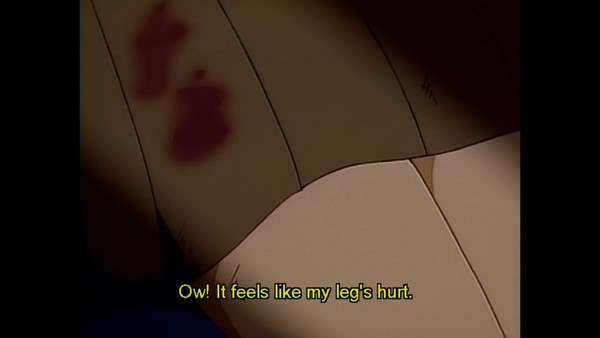
I also really like the metanarrative aspect, with Yui following Miaka's exploits through the magic book in the library. She even shares Miaka's wounds through a psychic link. It's a neat approach to isekai, explicitly linking the real and other worlds, that I don't believe I've seen done before in the same way—at least not in manga/anime. And if you'll allow me this one indulgence: more like Fushigi Yuri.
I mean, it seems like everything going on in Fushigi Yugi, at least at the baseline, was normal for girls in isekai at the time. The variety is the spice of this world-traveling life, as we've seen, so it's hardly surprising when another entry includes its own heroine's psychic powers and also mecha (again).
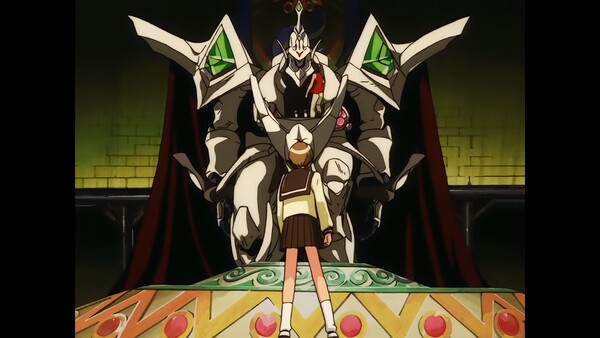
Ah, Escaflowne. I remember watching the first couple of episodes on VHS in my high school girlfriend's basement. A foundational series. One of the best OPs in anime. The best noses in anime. The list goes on.
This was one of those shows I actually have seen all the way through before. Hell, I first experienced it via the edited version that aired on FoxKids before it got canceled after like ten episodes.
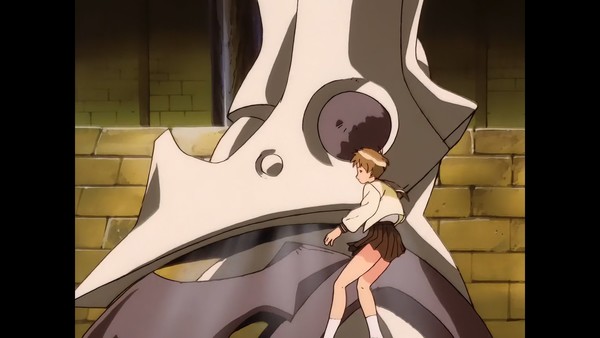
TV networks used to just do stuff. Though I guess isekai anime had already worked out for them previously with Digimon. Regardless, Escaflowne is absolutely an all-timer. I love how its approach and focus on Hitomi means spending most of the first episode in the regular world with her before she gets isekai'd. Gives a great sense for how she is and what she's leaving behind that you don't always get in the genre, especially today.
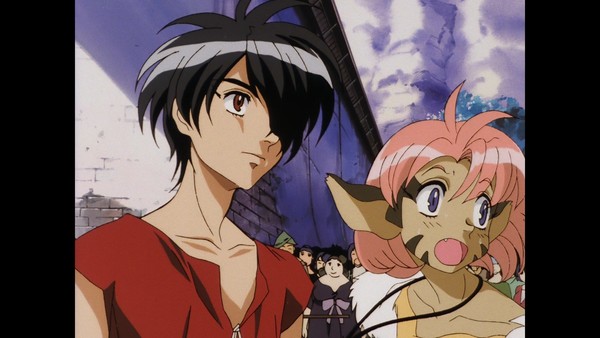
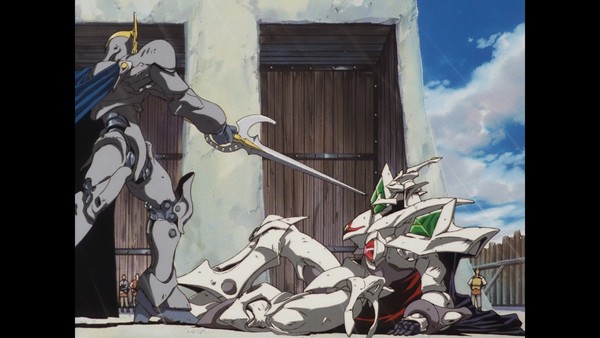
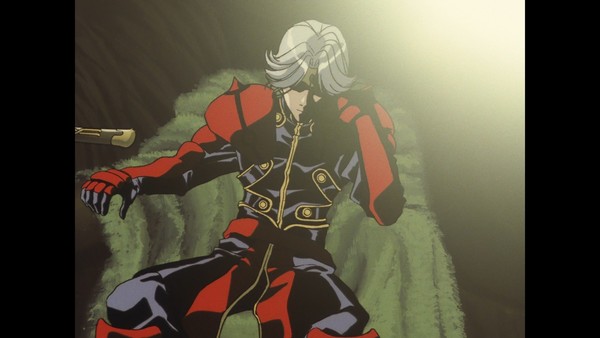
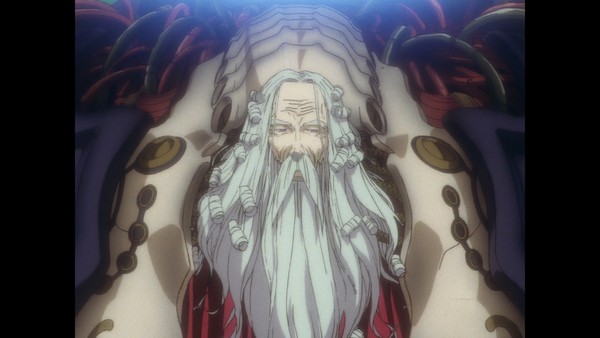
We've sadly forgotten as an industry how much room a two-cours original series provides for important narrative, tonal, and thematic explorations. Escaflowne is an incredible ride start-to-finish. An adventure brimming with more ideas and creativity than an entire year's slate of isekai here in the 2020s. It's got cat girls, mecha swordfighting, Gender, Sir Isaac Newton. Something for everybody.
Also, given that Fox Kids was airing, this was almost certainly my first blush with a Yōko Kanno soundtrack, edited as some of it was. What a first encounter. The strings from the theme of the titular mecha awakening have lived rent-free in my head since that day.
It's one of the anime that made me fall in love with anime. An isekai for the girls. Better things are always possible.
Speaking your language. Oh hey, Escaflowne also touches on the language thing too. Another one on the board!
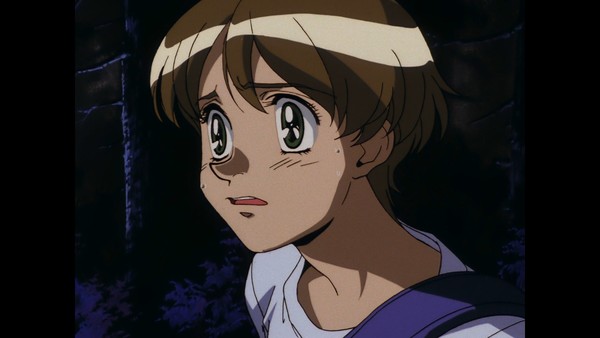
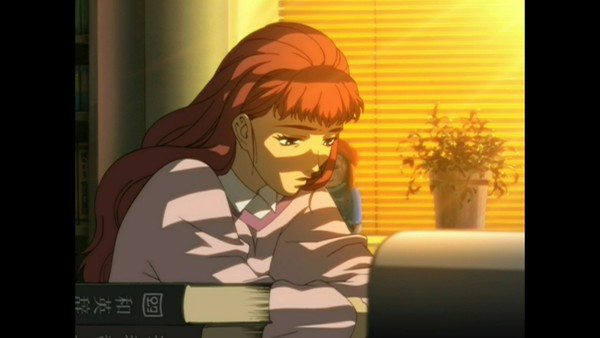
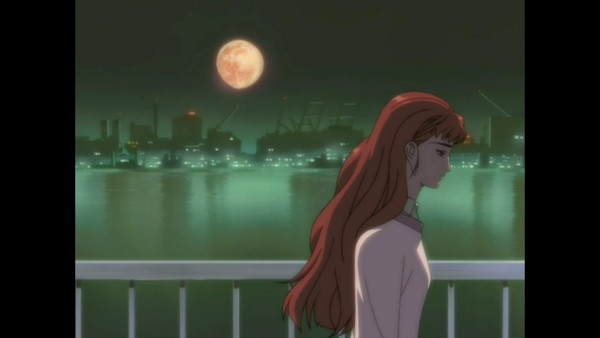
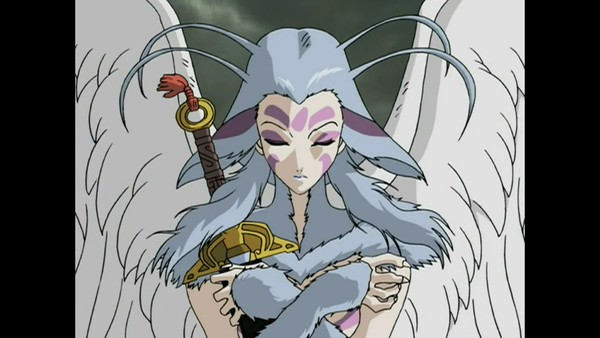
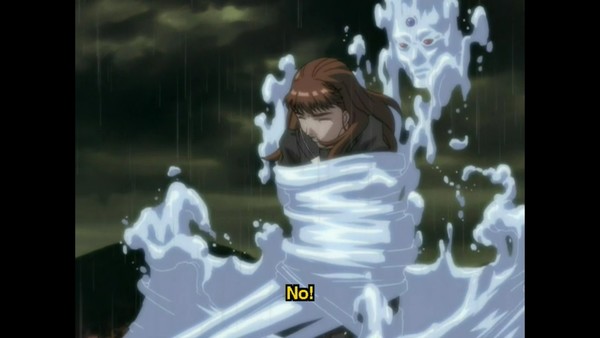
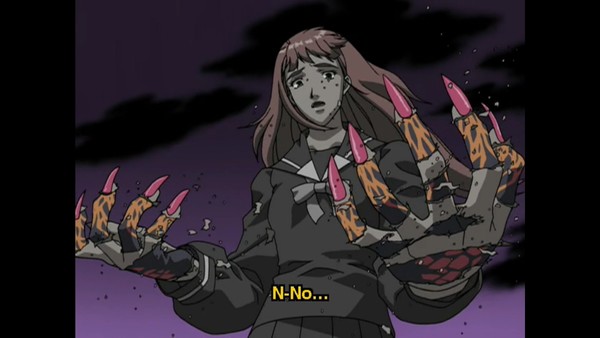
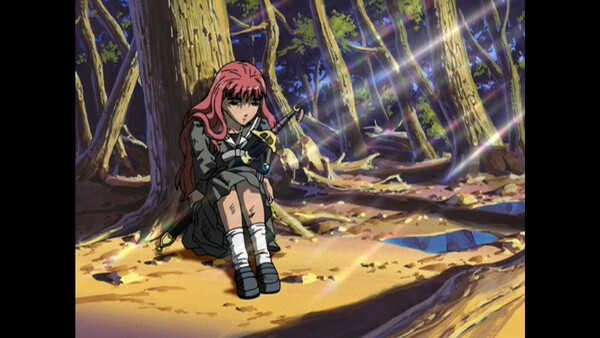
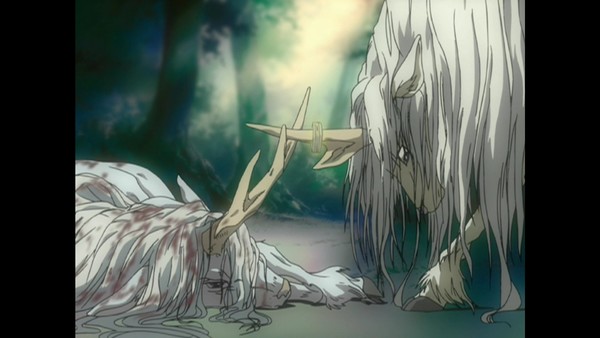
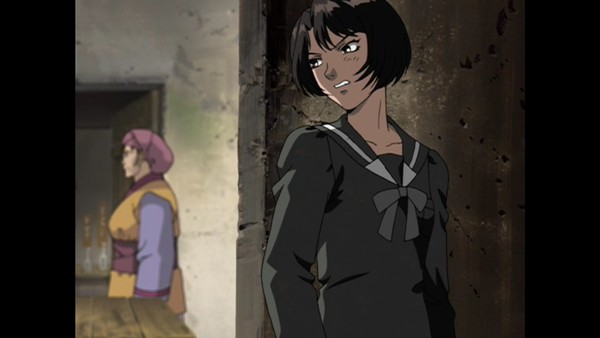
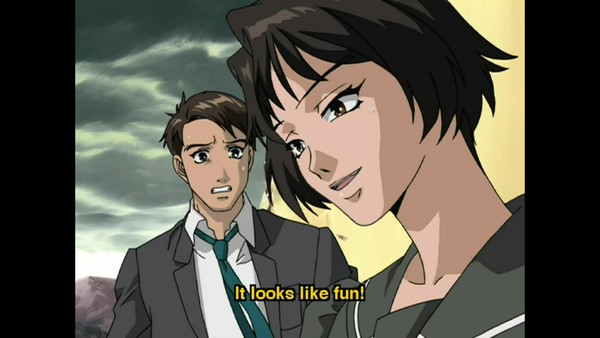
We should also mention The Twelve Kingdoms, which, while technically not "shoujo," is a series of '90s fantasy novels adapted into a 2002 anime. It counts. Plus, it's another I'd heard of but never watched, and wow, I immediately loved the premiere episode. It's very dour and moody in a way that speaks to me, focusing (like Escaflowne) on Yoko's life in the real world before the isekai shenanigans pop up, except (unlike Escaflowne) her life sucks big time.
Look, I can confess that part of the genesis of this column was Rebecca politely reminding me that series like Rumiko Takahashi's Inu Yasha and MAO actually ran in shonen magazines and absolutely wouldn't count for this particular discussion. We can include at least one technicality.
Especially when it looks this slick. You know I love me some 90s anime, but it was a very engaging swerve to hit some hard 00s style by the time I got to this one! Interestingly, it's still adapting source material from those earlier 90s, and you can see how Twelve Kingdoms getting animated after all that time could feel like an event, not dissimilar to the reaction news of Red River's anime version got.
It's still around, too! Seven Seas is right now in the middle of localizing the novels, if reading is more your vibe. You might even see them in your local bookshop. Clearly, as one mode of isekai is in decline, this other mode is gaining traction again. Maybe temporarily. Maybe for the long term. But it's happening.
Maybe it'll even bring more dalliances with linguistics and terrible girls! One can dream.
I love Yuka. She feels like a metacommentary on entitled centralized isekai protagonists before that was even really a thing. But regardless, that's why this kind of look into the past can prove so valuable. It reminds us of how rich a genre like this was in its earlier heyday. And with new adaptations coming out, maybe it can get there again. I'm actually...excited for new isekai premieres in Red River and From Far Away? A whole new world, indeed.
 @RiderStrike
 @BWProwl
 @LucasDeRuyter
 @vestenet