Dandelion Anime Series Review
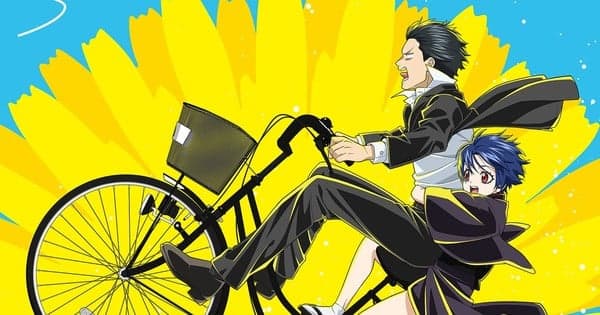
 Synopsis:
Gintama is one of the most celebrated comedy manga of all time. Hideaki Sorachi smashing aliens into the tail-end of the Sengoku era was every bit as bold as when Akira Toriyama dropped dinosaurs and mechs (and eventually aliens) into Journey to the West. What should have come off as a tonal disaster instead pulled off a mix of shonen meta humor, manzai skit comedy, and poignant commentary on the Meiji Restoration. So what was he up to before landing on that masterpiece? Well, imagine Bleach if the Soul Society were run by the yakuza.
Based on a one-shot that covers the majority of episode one, the premise is actually pretty solid. What if angels acted more like debt collectors when it's time to meet god? No time for comfort or mourning: just two thugs at the door waving gun barrels to meet your maker. There's something inherently funny about imagining your guide to the pearly gates lacking any grace whatsoever. Running away from them just gets a truck of drunks speeding your way on the highway to hell. After all, the danger of lingering souls becoming curses has led to heaven being run like a “black company,” emphasizing quotas to meet above all else. Who has time to care, right?
This overall blasé attitude to the dead is ironically what makes our protagonists being slackers a positive: they're in no rush to participate in the corporate rat race for souls. Much like the Yorozuya agency in Gintama, they'll often listen to lingering feelings of their clients so they can pass on peacefully. This makes room for some genuinely heartfelt moments. Seeing a grandpa's apology over eating his wife's pudding culminating not with forgiveness, but gratefulness over 50 years well-spent together showes that Sorachi was wise beyond his years. If it were just this for another seven episodes, I could easily recommend this as yet another banger for him. But then the episode keeps going, revealing their department will shut down if they don't fulfill their quotas. It was at this moment that I could feel the story heading in a new direction.
To be clear, not all attempts to expand this material were bad. The individual stories that follow are about as good as the one-shot, balancing its mix of crude humor and poignancy. It also fleshes out the main leads in ways the original only hinted at. Tanba Tetsuo is sort of like if hardass Hijikata took Gintoki's chill pill. Misaki Kurogane is like Rukia from Bleach if she grew up around Kagura instead (mature, but a bit of a prankster). Filling in for Shinpachi's role is the new character Masaki Kyouga, who's more like their superior, trying to keep the two focused on the job. For what it's worth, these three do manage to build some sense of camaraderie. By the end, they start to feel like their own distinct trio instead of replacements for the Odd Jobs Agency.
Episode four is hands-down the best example of continuing this story, revealing that the price of becoming an angel is erasing any trace of their humanity. Watching a character make time each year to revisit someone whom only they remember is a trope I'm always weak for. Personal moments like this are where Dandelion is at its strongest: showing what meant the world to these people. Where it starts to falter is the overarching story, which directly correlates to every episode going on a bit too long. The actual conflict they build towards turns out to be a mix of A.I. Gone Wrong and a literal Corporate Anxiety Demon, both revolving around one character's daddy issues to excuse all the dumb decisions they make. Gone are the emotional episodes or banter of the main trio: the second half is all about this one character.
All of this pays off with an exhausting 38-minute-long save-the-city climax we've seen a billion times before. There's a giant mech attacking the city and a six-eyed business overlord about to wreak havoc, and the only way to stop it is an extended Ghostbusters episode. Gintama also tried these shonen battle arcs, but they always managed to tie them together thematically to the skits and drama that came before. Here, when they try to pull an Avengers moment with every remaining character throughout the series joining the fight, it's clear that nearly everyone involved had barely anything to do with this mess until now. None of the prior emotional peaks play a part in what the ending to this show thinks we should be excited about. I'm sorry, but this is not the kind of series that demands 38 minutes of middling action.
The animation isn't much to write home about, but it's all serviceable for a gag series. The lighting and shading are noticeably sharper than your average Gintama episode (which often joked about their budget), but the only scenes to play a bit with art direction were the nightlife scenes. Sorachi's character designs are still faithfully adapted, so they get the goofy expressions down. The music is actually quite good, which comes as no surprise when you see it's Yūki Hayashi (My Hero Academia). While he doesn't get the chance to hype up the crowd this time, he has plenty of opportunities to have the tears well up in its climactic moments. The ED is also a 10/10 bop. Kocchi no Kento's disco-esque “Goron to Doron” pairs hilariously well with the main trio dancing with deadpan faces. They all look like they lost a bet, so it's amazing how effortlessly they match each other's moves.
Dandelion is what happens when a good idea gets greenlit only to wrap itself up again. While certainly entertaining in moments, it doesn't feel like it amounts to much by the end. Just when I was really getting a good taste of it, it somehow decided to end too quickly and take too long to say goodbye. Traces of Gintama's heart and hilarity are definitely here, but each episode goes on five minutes too long in service of a tacked-on climax.